

Architectural Digest Middle East lists Lahore’s Wusaaq hotel among world’s best

The collage of images created on June 29, 2025, shows Lahore’s Wusaaq hotel. (Wusaaq)
Short Url
Updated 29 June 2025
Follow

Architectural Digest Middle East lists Lahore’s Wusaaq hotel among world’s best

  • Tucked behind bougainvillea-covered walls in Lahore’s Gulberg neighborhood, Wusaaq is a mid-century residence-turned-guest house
  • The 1950s Pakistani home, preserved with minimal intervention, shows contemporary Pakistani art blending memory with modern comfort

ISLAMABAD: The Architectural Digest (Ad) Middle East magazine, part of the Condé Nast portfolio, has compiled a list of 31 best hotels in the world in 2025, naming Lahore’s Wusaaq hotel among them.

Launched in 2015, the bi-monthly magazine spotlights exceptional design by Middle Eastern and international talents, provides an exclusive view into the world’s most beautiful spaces and inspires readers to refresh their lives.

These 31 exotic hotels, located in 18 countries, brim with exceptional design ranging from a cinematic new Roman address to a Saudi resort that looks like tiny UFOs have landed on the Red Sea coast to exotic properties in Paris, Dubai, Doha, Mumbai, Luxor and London.

Tucked behind bougainvillea-covered walls in Lahore’s Gulberg neighborhood, Wusaaq is a mid-century residence-turned-soulful guest house that was restored by Faaria Rehman Salahuddin as a tribute to her late mother.

“Quietly luxurious and entirely personal, Wusaaq reflects a kind of hospitality that values presence over polish – a rare, radiant stay in the heart of a lively city,” reads the AD magazine article, published on June 26.
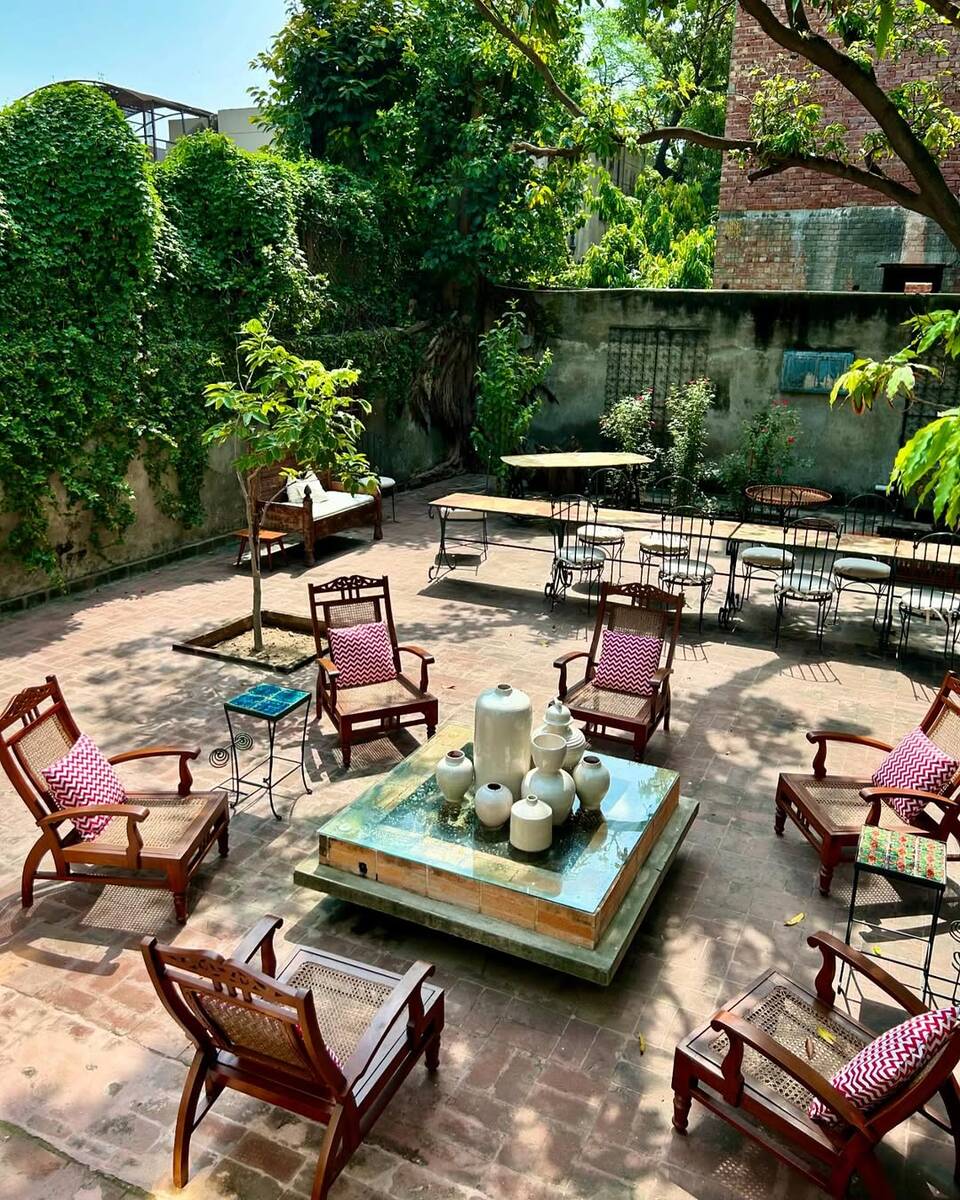
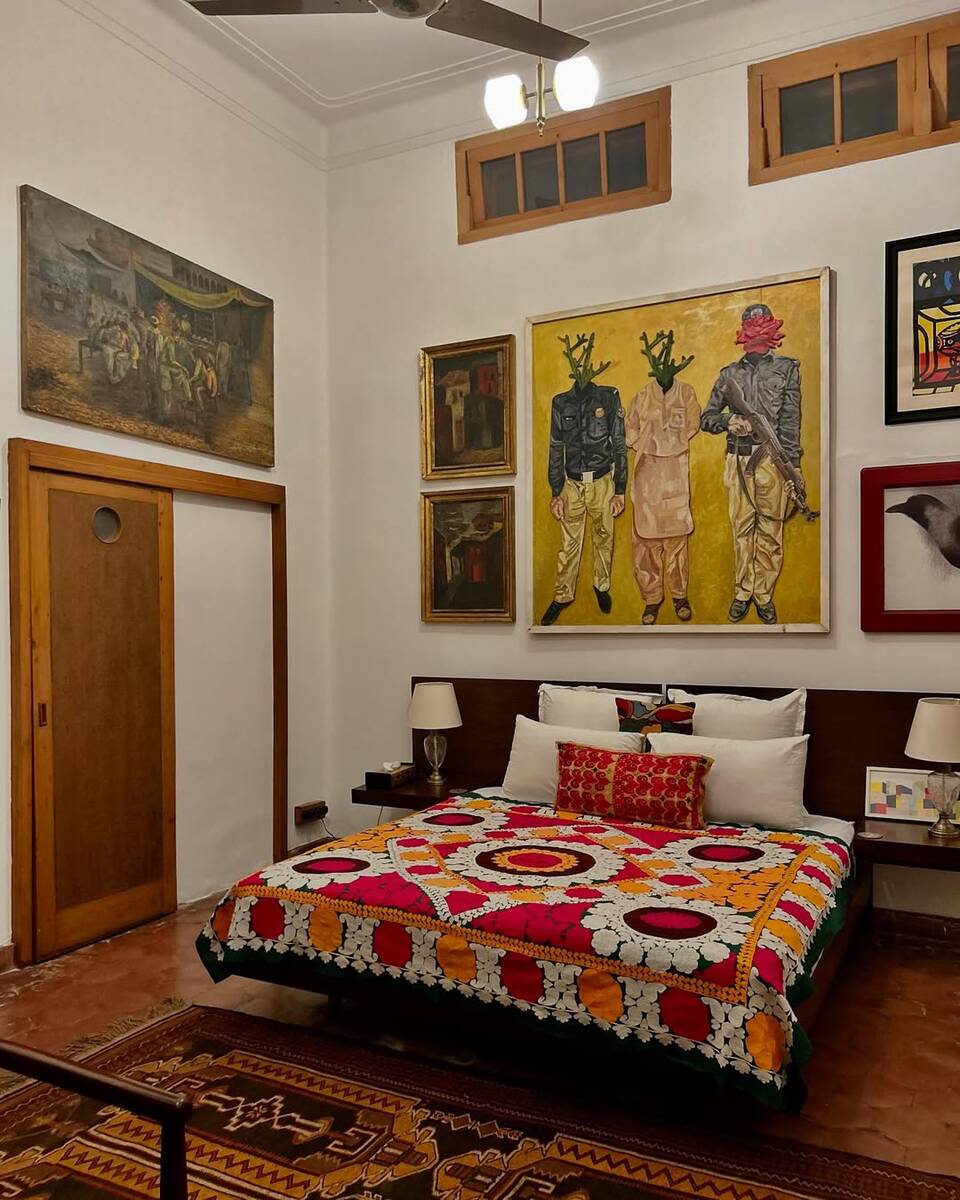
The 1950s Pakistani home has been preserved with minimal intervention – original porcelain tiles, brass fittings, and retro light switches remain intact. Each of the five rooms is named after a flower, with pietra dura inlaid keys inscribed in Urdu and English, according to the publication.

In the courtyard, fruit and a sprawling peepal tree offer shade where guests gather for breakfast served on heirloom crockery. Inside, window chiks, a traditional kitchen dolly, custom furniture, and contemporary Pakistani art blend memory with modern comfort.
In a post on Instagram, Wusaaq said it celebrated the listing.

“We are overwhelmed and humbled by the love and appreciation sent to us by our patrons, guests, friends and family,” the hotel said.


A post shared by WUSAAQ (@wusaaq)

The list, according to the AD Middle East magazine, offers a space for all sorts of travelers from city break lovers to those who prefer nothing more than an escape into the wilderness.


Pakistan forecasts inflation to remain in moderate 5.5-6.5 percent range

Updated 10 sec ago
Follow

Pakistan forecasts inflation to remain in moderate 5.5-6.5 percent range

  • Finance Division report says robust remittance inflows, steady performance of IT, service sectors to cushion external pressures
  • Consumer inflation in Pakistan has significantly reduced over the years when it surged to a record high of 38 percent in May 2023

ISLAMABAD: Inflation is expected to remain in the moderate range of 5.5 to 6.5 percent for December, the Finance Division said in its Monthly Economic Outlook report on Wednesday. 

Pakistan reported inflation at 6.1 percent on a year-on-year basis in November as compared to 6.2 percent in October. Pakistan’s inflation rate rose to a record high of 38 percent in May 2023 on account of surging food and fuel costs as Islamabad scrapped subsidies as part of a financial deal agreed with the International Monetary Fund (IMF). 

“Inflation is projected to remain moderate, in the range of 5.5-6.5 percent in December, primarily reflecting base effect,” the report said. 

The Finance Division’s report said Pakistan’s economic outlook remains “positive,” driven by sustained growth in industrial activity due to continued momentum in textiles, automobiles, cement and food processing sectors. 

“Robust remittance inflows and steady performance in IT and services exports are likely to cushion external pressures,” the report said. 

The report said Pakistan’s current account recorded a surplus of $100 million while it posted a deficit of $812 million during the July-November period.

It said remittances increased by 9.3 percent to $16.1 billion in November, led by inflows from Saudi Arabia (24.2 percent) and the UAE (20.8 percent), while the net foreign direct investment inflows were recorded at $927.4 million during the same July to November period. 

It said Pakistan’s fiscal consolidation is expected to continue supporting macroeconomic stability, with government efforts in expenditure management, enhanced tax collection and structural reforms contributing to sustainable growth. 

“Overall, Pakistan’s economy is projected to maintain its positive momentum in the coming months, driven by industrial growth, improved governance, digitalization, and prudent macroeconomic management,” the report said.