


RIYADH: Oman’s insured non-oil exports reached 61.2 million Omani rials ($159 million) in the first quarter of 2025, marking a 6 percent increase from the same period last year, according to Credit Oman.
The sultanate’s export credit agency, which provides trade insurance and guarantees to support domestic and international exchange, cited growth in construction materials, petrochemicals, mining, and agriculture as key drivers, the Oman News Agency reported.
This comes as Oman’s broader non-oil exports grew 8.6 percent year on year to 1.61 billion rials, now making up 28.6 percent of total exports. The growth reflects ongoing efforts to boost non-oil trade, support domestic industries, attract foreign investment, localize development initiatives, and offer incentives to the private sector.
The ONA report stated: “Khalil bin Ahmed Al Harthy, CEO of Credit Oman, explained that the volume of insured export sales in the building and construction materials sector witnessed a growth of 24 percent, with a total value of 27.16 million rials.”
Exports in the petrochemicals and plastics sector climbed 45 percent to 9.2 million riyals.
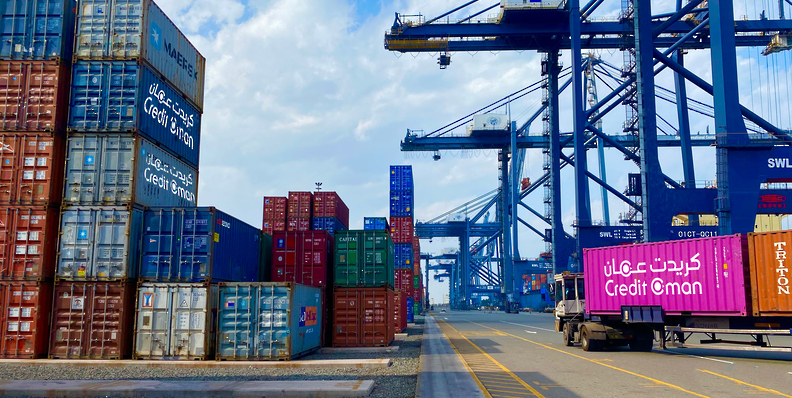
Oman’s broader non-oil exports grew 8.6 percent year on year to 1.61 billion rials, now making up 28.6 percent of total exports. File/ONA
The mining sector experienced the largest percentage growth, jumping 150 percent to 570,000 rials. Meanwhile, agricultural exports surged 96 percent to nearly 5 million rials, driven by increased demand and favorable market conditions.
Despite the overall growth, Al-Harthy noted setbacks in some sectors, including packaging, fisheries, and apparel, adding that the results still reflect the broader progress of the national economy and the government’s continued push for economic development.
“He pointed out that Credit Oman is making significant efforts to support Omani manufacturers and exporters, contributing to boosting their sales both locally and internationally by offering a range of insurance services and overcoming the challenges associated with Omani products entering global and new markets,” the OMA report added.
In its earlier outlook, Credit Oman projected strong growth potential for the country’s non-oil exports in 2025. The agency cited an estimated untapped export capacity of 5 billion rials, according to the International Trade Centre.
However, it emphasized that realizing this potential would depend on evolving global trade conditions, particularly the impact of emerging tariff and non-tariff barriers, geopolitical uncertainty, and shifts in global economic trends.
This growth comes after a challenging 2024, when Oman’s non-oil exports declined 16 percent due in part to a reclassification of high-value fuel-related goods into the oil and gas category.
The 2025 rebound suggests improved export diversification, aided by Credit Oman’s efforts and favorable conditions in sectors like agriculture and plastics.


