

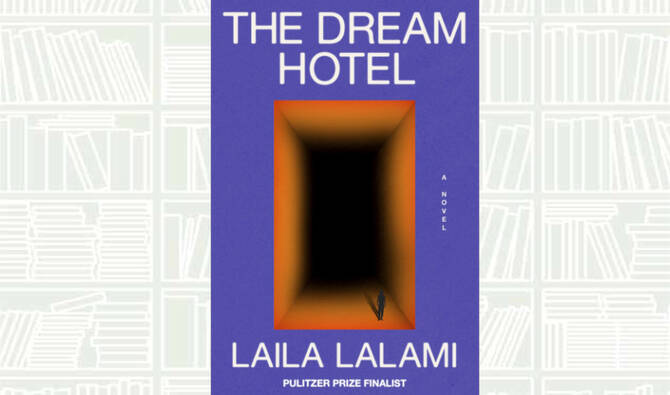

Author: Laila Lalami
Reading Moroccan-American novelist Laila Lalami’s “The Dream Hotel” was an eye-opening experience that left me simultaneously captivated and unsettled.
The novel weaves a story about one woman’s fight for freedom in a near-future society where even dreams are under surveillance.
The narrative centers on Sara, who, upon returning to Los Angeles International Airport, is pulled aside by agents from the Risk Assessment Administration.
The chilling premise — that an algorithm has determined she is at risk of harming her husband — immediately drew me in. Lalami’s portrayal of Sara’s descent into a retention center, where she is held alongside other women labeled as “dreamers,” is both fascinating and disturbing.
What struck me most was how Lalami explores the seductive nature of technology. I found myself reflecting on our current relationship with data and surveillance.
The idea that our innermost thoughts could be monitored and judged felt unsettlingly familiar. As Sara navigates the oppressive rules of the facility, I felt a growing frustration at the injustice of her situation, which echoes broader societal concerns about privacy and autonomy.
Lalami’s writing is lyrical yet accessible, drawing readers into the emotional depth of each character. The interactions among the women in the retention center are especially poignant, showing how strength can emerge from solidarity.
As the story unfolds, I was reminded of the resilience of the human spirit, even under dehumanizing conditions. The arrival of a new resident adds a twist, pushing Sara toward a confrontation with the forces trying to control her. This development kept me invested in seeing how she would reclaim her agency.
“The Dream Hotel” is more than a compelling narrative; it is a reflection on the complexities of freedom and the influence of technology on our lives. It left me considering how much of ourselves we must guard to remain truly free.
In conclusion, Lalami has crafted a thoughtful and resonant novel that lingers after the final page. It is well worth reading for those interested in the intersections of identity, technology and human experience.


