


RIYADH: Saudi Arabia’s seaports handled 720,684 twenty-foot equivalent units in May, a 13 percent year-on-year jump, driven by growth in imports, exports, and transshipment activity, official figures showed.
According to data from the Saudi Ports Authority, also known as Mawani, imported containers rose 15.84 percent from a year earlier to 292,223 TEUs, while exported volumes increased 9.38 percent to 279,318 TEUs.
Transport, or transshipment, containers also climbed 12.89 percent to 149,143 TEUs, reflecting the Kingdom’s growing role as a regional trade hub.
The uptick in activity highlights the ongoing expansion of port infrastructure and logistics services across the country. It also supports the goals of Saudi Arabia’s National Transport and Logistics Strategy, which seeks to position the Kingdom as a global logistics center under Vision 2030.
In a release, Mawani stated: “The total tonnage handled — general cargo, solid bulk cargo, and liquid bulk cargo — increased by 1.40 percent to reach 21,337,699 tonnes compared to 21,042,684 tonnes during the same period last year.”

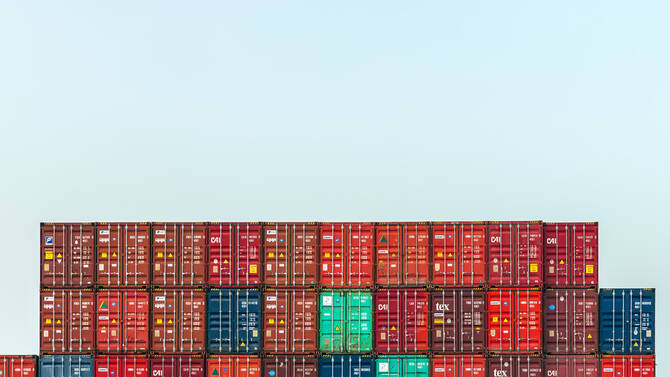
The uptick in activity highlights the ongoing expansion of port infrastructure and logistics services across the Kingdom. Shutterstock
It added: “The total general cargo amounted to 935,932 tonnes, solid bulk cargo 5,059,899 tonnes, and liquid bulk cargo 15,341,868 tonnes.”
The ports received 1.63 million heads of livestock, up 61.22 percent compared to 1.01 million during the same period last year.
Maritime traffic also picked up, with vessel calls rising 9.39 percent to 1,083 ships, while the number of passengers grew 68.15 percent to reach 95,231. The number of vehicles handled increased by 13.09 percent year on year to 84,352 units.
The positive momentum follows a strong performance in April, when Saudi ports handled 625,430 standard containers, up 13.4 percent from a year earlier.
In 2024, Mawani announced several major initiatives, including agreements and groundbreaking projects to establish eight new logistics parks and hubs at Jeddah Islamic Port and King Abdulaziz Port in Dammam, with a combined private sector investment of approximately SR2.9 billion ($773 million).
These efforts are part of a broader strategy to enhance the competitiveness of Saudi ports and reinforce the Kingdom’s position as a global trade and logistics hub.
The initiatives form part of a larger SR10 billion investment plan to develop 18 logistics parks across Saudi terminals, all overseen by Mawani.




