ALGIERS: Three former presidential hopefuls were among dozens of defendants sentenced to prison on charges of electoral fraud, a judicial source said.
Businesswoman Saida Neghza, former minister Belkacem Sahli and a relative unknown named Abdelhakim Hamadi were sentenced to 10 years in prison each on charges of paying to obtain the signatures needed to run for the presidential elections last September, the source said.
On May 8, the public prosecution had requested penalties of 10 years in prison and a fine of one million Algerian dinars ($7,600) in a trial that lasted for just nine days.
About 70 other people, including three of Neghza’s sons, were also sentenced to between five and eight years in prison.
The majority of them were members of local councils and were accused of giving their electoral signatures to the would-be candidates in exchange for cash payments.
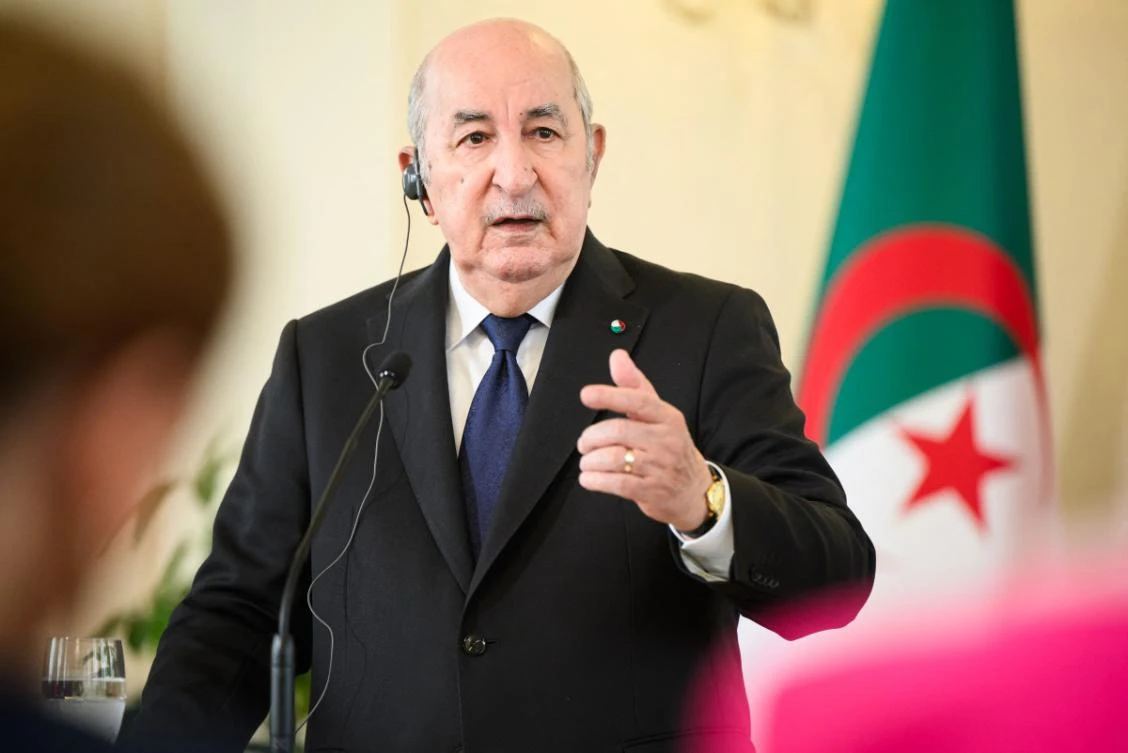
None of the three hopefuls were ultimately able to register their candidacy in the election in which Abdelmadjid Tebboune won in a landslide.
Those wishing to run for the presidency are required to gather 600 signatures from elected officials in 29 out of Algeria’s 58 provinces.
Alternatively, they can gather 50,000 signatures from regular constituents registered to vote, provided that there are at least 1,200 in each province.
In early August, the public prosecution announced that 68 people had been arrested on charges of “buying signatures” for three presidential hopefuls.
Businesswoman Saida Neghza, former minister Belkacem Sahli and a relative unknown named Abdelhakim Hamadi were sentenced to 10 years in prison each on charges of paying to obtain the signatures needed to run for the presidential elections last September, the source said.
On May 8, the public prosecution had requested penalties of 10 years in prison and a fine of one million Algerian dinars ($7,600) in a trial that lasted for just nine days.
About 70 other people, including three of Neghza’s sons, were also sentenced to between five and eight years in prison.
The majority of them were members of local councils and were accused of giving their electoral signatures to the would-be candidates in exchange for cash payments.
None of the three hopefuls were ultimately able to register their candidacy in the election in which Abdelmadjid Tebboune won in a landslide.
Those wishing to run for the presidency are required to gather 600 signatures from elected officials in 29 out of Algeria’s 58 provinces.
Alternatively, they can gather 50,000 signatures from regular constituents registered to vote, provided that there are at least 1,200 in each province.
In early August, the public prosecution announced that 68 people had been arrested on charges of “buying signatures” for three presidential hopefuls.