


DUBAI: The e-commerce space in Saudi is thriving — every so often, the market sees a new entrant, whether in fashion, beauty or lifestyle.
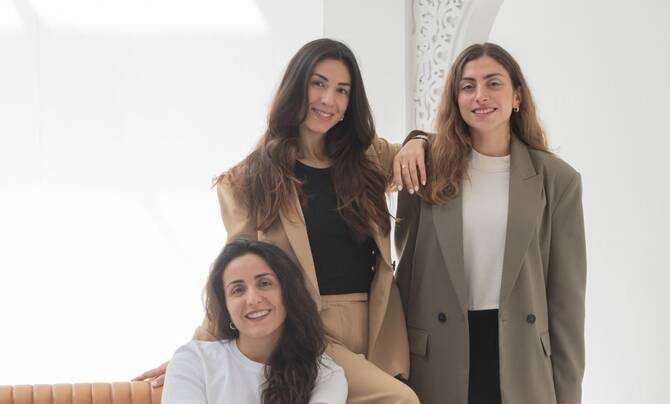
Its newest player is Maison Safqa, a limited flash sales concept platform offering premium-to-luxury brands at special prices — but only for a limited time. Co-founded by Lea Mehaweg, who serves as CEO, her sister Georgia, and former colleague Estelle Nasr, the concept draws inspiration from France, where private sales have long offered brands a discreet way to offload past-season inventory without diluting their image.
“It’s a ... platform where we offer premium to luxury brands at discounted prices,” said Mehaweg. “The whole concept is to support the brand, take their collections — even from previous seasons — and put them in a very elevated and premium shopping environment.”
Maison Safqa’s approach differs from traditional outlet platforms. Rather than overwhelming users with thousands of items, the site hosts limited-time “drops” that spotlight specific categories or designers — from accessories and ready-to-wear, to upcoming plans in homeware, beauty, and lifestyle services like staycations and wellness. “It’s not like a year-round outlet with hundreds of items spread across endless pages where you eventually get lost,” Mehaweg said. “On Maison Safqa, we drop new brands every week — or even every few days — and each one stays on the platform for a limited time.”
Access to these exclusive drops is available to registered members only, reinforcing the platform’s sense of community and curated exclusivity. While membership is currently free, a premium tier with added benefits, such as early access and free shipping, is in the works.
Saudi Arabia was a natural choice for the full launch of the new platform. “The fashion and luxury industry is booming here. More brands are entering the market, which naturally leads to excess stock, and that’s where we come in. We want to be the first to offer a structured private-sale platform that supports brands while delivering real value to customers,” Mehaweg said. Unlike the saturated off-price market in Dubai, Mehweg sees untapped potential in Saudi Arabia, especially in the premium and luxury segment.
Having grown up in France, Mehaweg recalls rarely buying items at full price, knowing they would soon appear on curated private-sale platforms. That same smart, style-savvy mindset is what Maison Safqa aims to tap into.
Another key USP is local relevance. It is rare to see regional designers featured on off-price platforms, but Maison Safqa is committed to championing homegrown talent. Alongside global names like Coach and Victoria Beckham, the platform also features Saudi and regional designers. “Most off-price players are based outside the GCC and rarely include local talent,” said Mehaweg. “For us, cultural resonance matters.”
Though first tested in Dubai, Maison Safqa is now fully operational in Saudi Arabia, with plans to expand across the GCC in the coming months. As the platform grows, its goal is clear: To redefine the off-price experience in the region by blending premium access, local relevance and a curated lens for the modern Middle Eastern shopper.


