



RIYADH: Saudi Arabia is poised to emerge as one of the world’s most dynamic sleep technology markets, reflecting the rapid expansion of its fitness sector, an expert told Arab News.
In 2024, Saudi Arabia ranked third globally for the shortest sleep duration, with most Saudis sleeping only 6 to 7 hours per night, according to Mana Al-Shahrani, a consultant in Sleep Medicine at King Fahad Medical City.
This presents a lucrative opening for innovators, as global demand for sleep solutions surges.
The global sleep aids market grew from $59.32 billion in 2023 to $64.15 billion in 2024, and it is expected to continue growing at a compound annual growth rate of 5.98 percent, reaching $89.11 billion by 2030, according to a report by Research and Markets.
Now, companies such as Eight Sleep, a US-based firm which provides an intelligent, fully integrated system that personalizes sleep using real-time biometric data, are eyeing Saudi Arabia as a top future market.

The POD 5 by Eight Sleep. (Supplied)
With Vision 2030 pushing a healthier lifestyle agenda, sleep is set to become the next big wellness frontier.
“We believe Saudi Arabia is uniquely positioned to become one of the world’s most dynamic sleep tech markets and Eight Sleep is investing with that long-term vision in mind,” co-Founder and CEO of Eight Sleep, Matteo Franceschetti, told Arab News.
“Even before our official launch, we already have over 100 Pods in active use and a waitlist of more than 500—a strong signal of organic demand and unmet need,” the CEO added.
Saudi Arabia has already demonstrated progress in key quality-of-life indicators, as highlighted in its 2024 Vision 2030 performance report. The Kingdom’s World Happiness Index score held steady at 6.6 in 2024 — surpassing both global and Gulf averages — while life expectancy rose to 78.8 years, ranking 11th among G20 nations, underscoring the government’s focus on well-being, creating fertile ground for sleep tech innovation.
Saudi Arabia as a global sleep tech hub
The sleep technology market in Saudi Arabia is expanding rapidly, valued at $117.4 million in 2023 and projected to reach $243.1 million by 2030 — an 11 percent CAGR.
The broader Middle East and North Africa smart bed market is expected to hit $87.7 million by 2027, according to Franceschetti.
“We view Saudi Arabia — and the wider GCC — as a strategic priority for Eight Sleep, with the region bearing the potential to become our second-largest market globally after the US,” Franceschetti said.
While GCC spending on sleep aids remains modest — $26.42 million in 2025 versus $2.18 billion in the US — growth rates are strong.
“While sleep still lags behind fitness and wearables in terms of total spend, it’s following the same adoption curve. Sleep is underpenetrated, but it’s not underperforming,” Franceschetti noted, adding: “As awareness for sleep as the foundation of long-term health, we expect its share of the wellness wallet to expand dramatically.”

Co-Founder and CEO of Eight Sleep, Matteo Franceschetti, spoke to Arab News. (Supplied)
Will sleep become a national priority?
With Vision 2030 promoting wellness, sleep health is gaining attention — but experts say more policy focus is needed.
Diet and exercise are prioritized, but sleep’s impact on diabetes, heart disease, and neurological disorders is still underrecognized, Vikas Kharbanda, partner at Arthur D. Little told Arab News.
“Increasing diabetes, cardiovascular disorders, obesity and even neurological dysfunctions have been linked with sleep-related disorders,” he said, adding: “While there are some efforts underway through publishing registries and statistics on sleep disorder prevalence, significantly more awareness is needed about these linkages and their negative impacts.”
Franceschetti tied sleep to national goals, saying that Vision 2030’s focus on quality of life creates fertile ground for sleep tech. “Saudi Arabia’s greatest opportunity to overcome its national sleep deficit lies in embracing personalized sleep environments tailored to individual needs,” he added.
Late nights, high stress, and rising demand
The CEO further explained that Saudi Arabia has the lowest average sleep score among more than 30 global markets where Eight Sleep is active. “Saudi users also report the latest bedtime and wake time — typically sleeping from 1am to 9am,” he revealed.
The UAE follows closely behind, ranking fourth in sleep deprivation, with users averaging sleep from 12am to 8am.
GCC cities dominate global rankings for the least sleep, with Sharjah, Doha, Jeddah, Abu Dhabi, Riyadh, and Dubai claiming the top six spots for lowest total sleep. Sharjah, Jeddah, and Dubai also recorded the world’s worst sleep performance scores, the CEO said, citing data from US technology company, WHOOP.
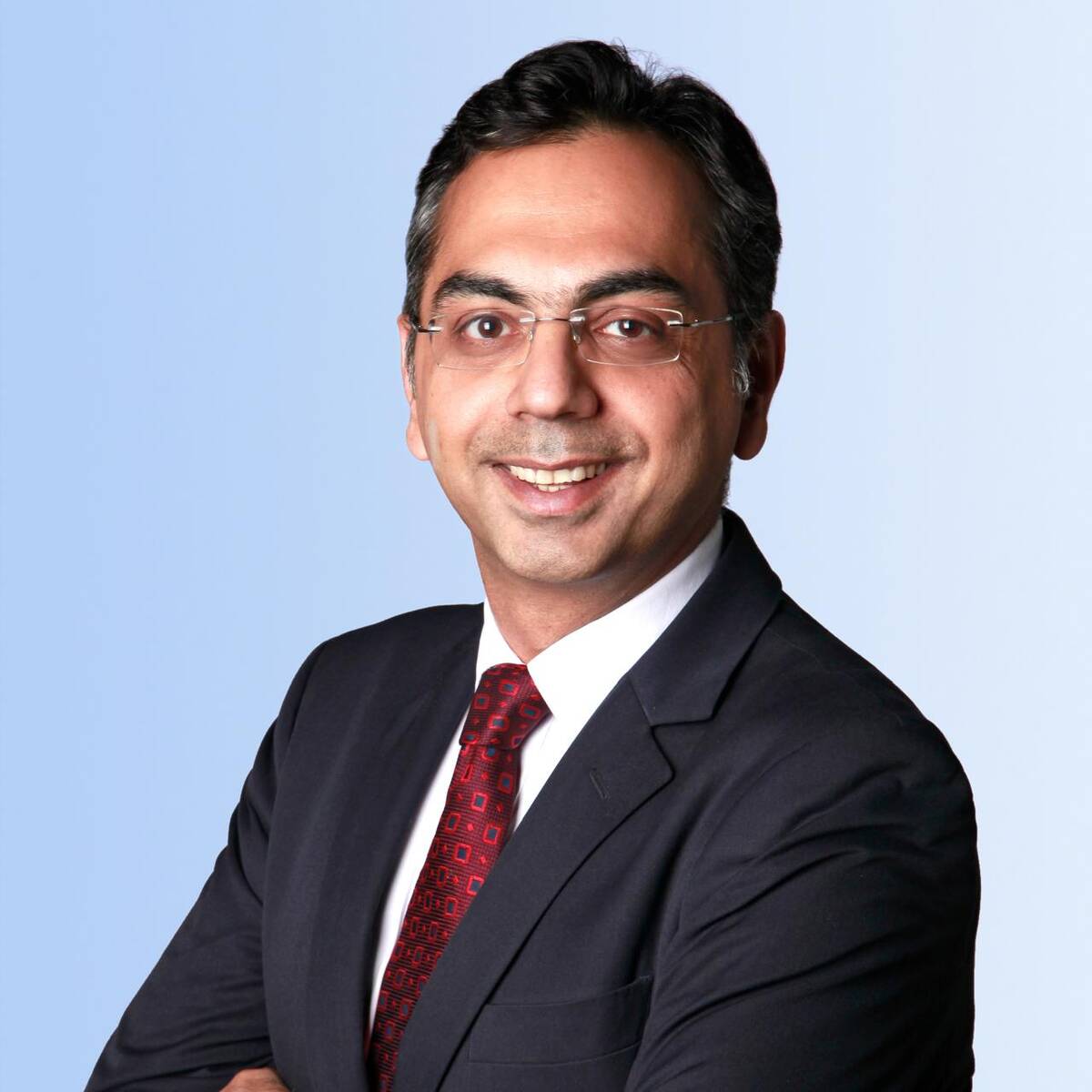
Vikas Kharbanda, partner at Arthur D. Little, also spoke to Arab News about the wellness boom and the Saudi market. (Supplied)
Key drivers of the sleepless trend
Multiple factors contribute to this trend, said Franceschetti, adding: “A deeply ingrained late-night culture in the region contributes to disrupted circadian rhythms and reduced recovery.”
Cities like Jeddah, Riyadh, and Sharjah — some of the most sleep-deprived globally — also report high stress levels, indicating a strong link between late night schedules and poor health. Temperature is another major challenge, as Saudi Arabia ranks fifth globally for users seeking to cool their sleep environment.
Franceschetti noted that “managing heat during the night is essential for comfort and uninterrupted sleep.”
He also highlighted lifestyle and environmental stressors, stating: “Ambitious lifestyles, demanding work schedules, and extreme weather conditions further affect residents’ ability to get sufficient quality sleep.”
In the UAE, 40 percent of residents are sleep-deprived, with stress and temperature cited as the top disruptors.
Arthur D. Little’s Kharbanda expanded on cultural influences: “Late-night social activities, religious practices, high caffeine consumption, and excessive blue light exposure from devices all contribute — alongside low physical activity levels.”
Saudi Arabia is actively working through the Sports for All Federation to increase the percentage of physical activity participation to 40 percent of the Kingdom’s population by 2030.
The sleep tech revolution, tracking to intervention
Kharbanda categorized sleep solutions into three types. The first includes monitoring devices such as wearables and apps. “These help users understand sleep patterns and are likely to see the highest demand due to affordability and accessibility,” he explained.
The second category consists of interventional tools like smart mattresses and sleep monitors. “These ensure better sleep quality but face higher cost barriers,” he noted.
The third type covers medical solutions for severe cases, though adoption depends on health care integration. “Of these, monitoring and lifestyle management devices will dominate,” Kharbanda predicted.
As the Kingdom wakes up to sleep’s role in long-term health, the wellness industry is racing to turn this crisis into its next billion-dollar opportunity.


