



SWAT: At a small mudbrick, hut-style restaurant in Pakistan’s picturesque Swat Valley, customers are showing up to try a traditional delicacy: warjale.
A local version of vegetable rice served with clarified butter, yogurt, cheese, milk, fresh cream and sometimes with the sauce of chicken meat, warjale, an old regional dish, is being kept alive as the main attraction at the Kawdareen Traditional Restaurant (KTR) in Mingora city.
Known for its scenic landscape of mountains and trees and cultural heritage and archaeological sites, Swat attracts thousands of visitors every year.
Many now seek out Khan’s modest eatery to experience a taste of the valley’s traditional cuisine, especially warjale, which is made from a special rice called begumi, named after a noblewoman, Begum Bilqees Effandi, who had brought the rice variety’s seeds from Afghanistan in 1949 and cultivated it in the Bagh Dherai area of Swat for the first time.
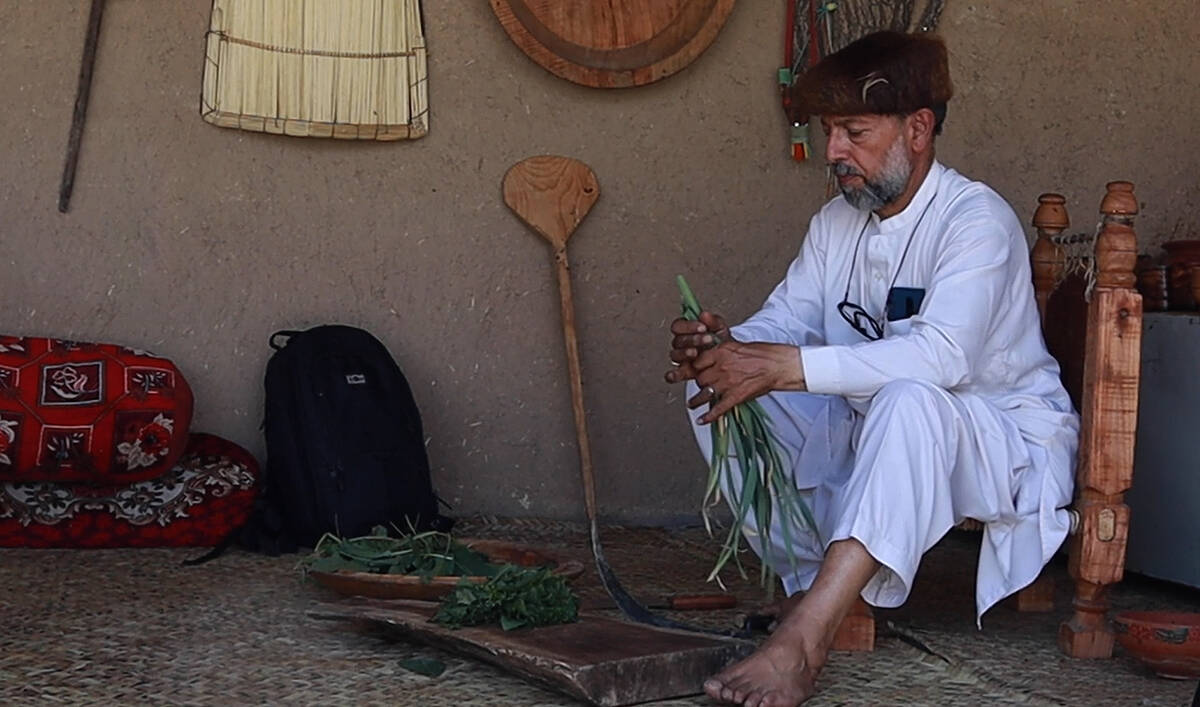
Nasar Khan prepares ingredients used in traditional rice dish “warjale” at his restaurant in Mingora, Swat on April 28, 2025, during an interview with Arab News. (AN Photo)
“I had another business, this was my hobby but God gave me a chance and made this a business out of my hobby,” Nasar Khan, the 60-year-old owner, told Arab News at the restaurant which he started six years ago to revive traditional foods from the valley and introduce them to young people.
“I had in mind that our traditional food should be commercialized so that the youth who don’t know about it should get a sense of it, that was the main aim.”
Khan said he served nearly all the traditional foods of Swat, such as warjale, khare, a popular dish made with lamb, tomatoes, garlic and minimal spices cooked in a traditional karahi pan, as well as saag, which is cooked mustard or similar bitter wild greens.
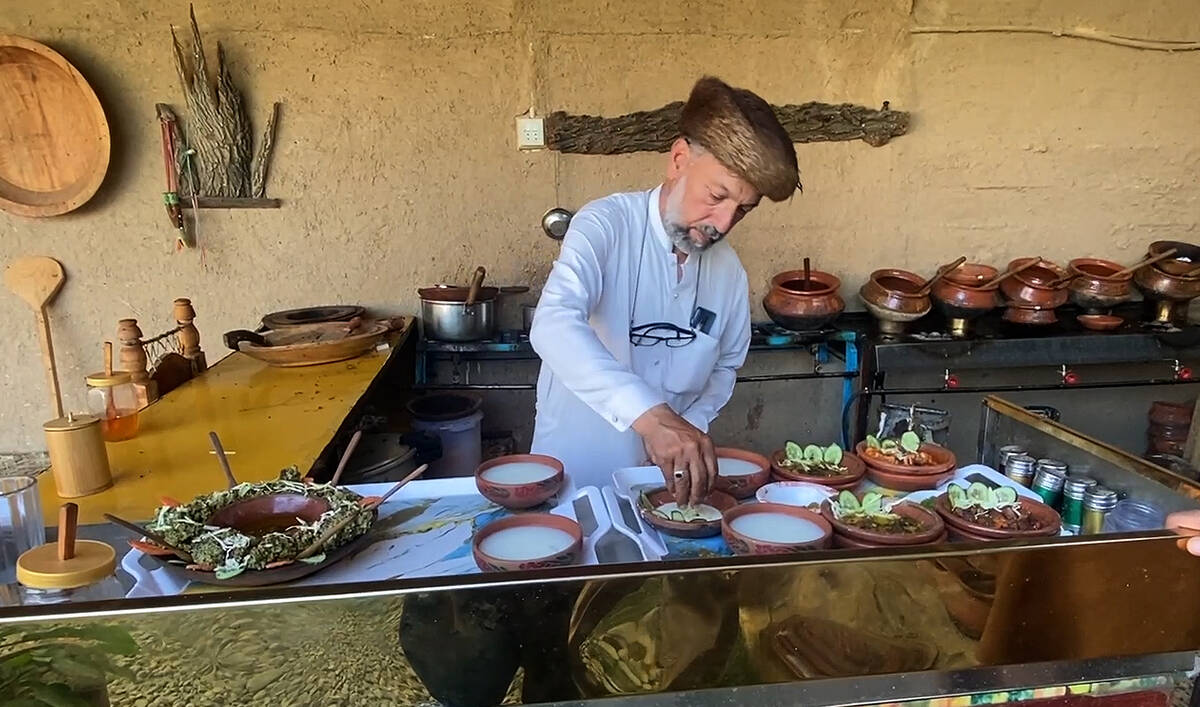
Nasar Khan prepares platter containing traditional rice dish “warjale” at his restaurant in Mingora, Swat on April 28, 2025. (AN Photo)
A warjale meal was typically served with desi ghee, fresh cream and a yogurt-based drink called lassi. A portion for two people costs around Rs1,000, less than $1, while a three-person meal costs around Rs1,300.
Cooking warjale was a labor-intensive task, Khan explained.
“Warjale is cooked in a specific kind of saag, which can’t be cultivated but grows naturally,” he said. “The locals then pluck it and cut it in a special way … People of upper Swat call it chukan and those who live in the lower part call it warjale.”
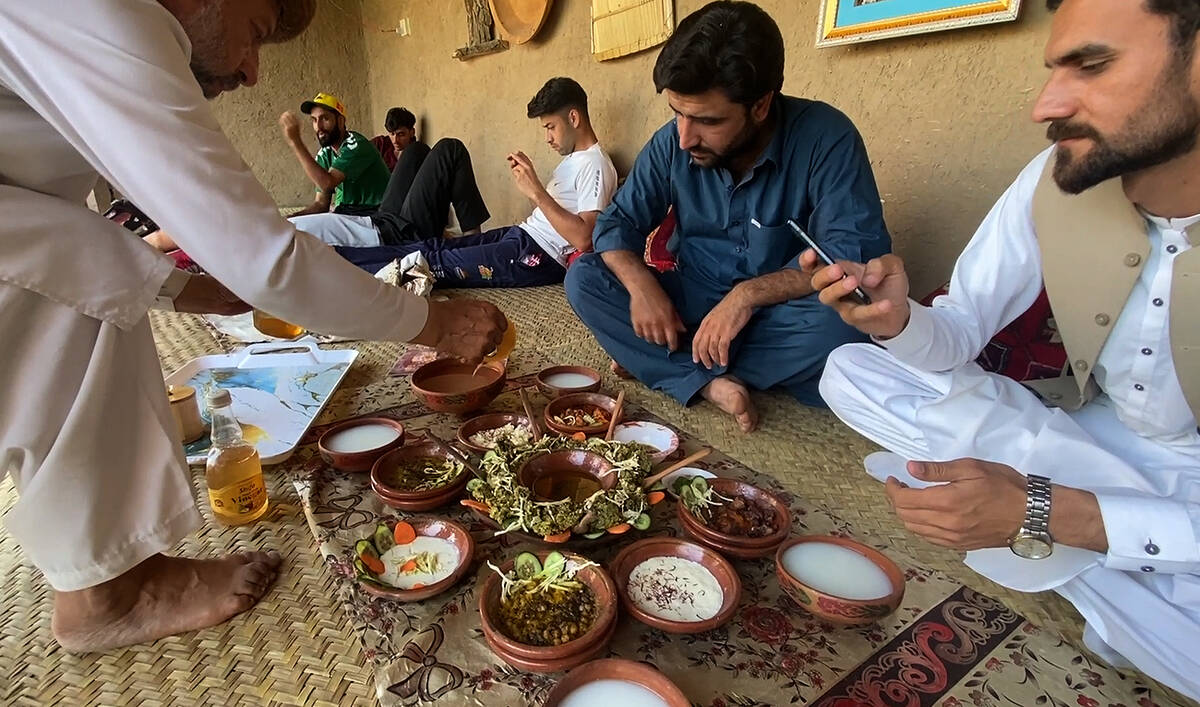
Nasar Khan (left) serves traditional rice dish “warjale” to customers at his restaurant in Mingora, Swat on April 28, 2025. (AN Photo)
Khan said warjale’s distinct flavor derived from ingredients that could only be sourced in Swat’s environment.
“The soil of Swat is fit for growing [Begami rice], which needs cold weather, fresh water and an environment like this,” he said.
Tourists visiting the restaurant vouched for the unique taste.
Izhar Zeb Yousafzai, a computer science lecturer visiting from Timergara, said he first heard about KTR online:
“We saw some videos about this restaurant on social media. We had a day off today, so we came here with friends ... Warjale was their specialty and we got a chance to eat it after a long time. When we gave it a try, we found its taste delicious.”
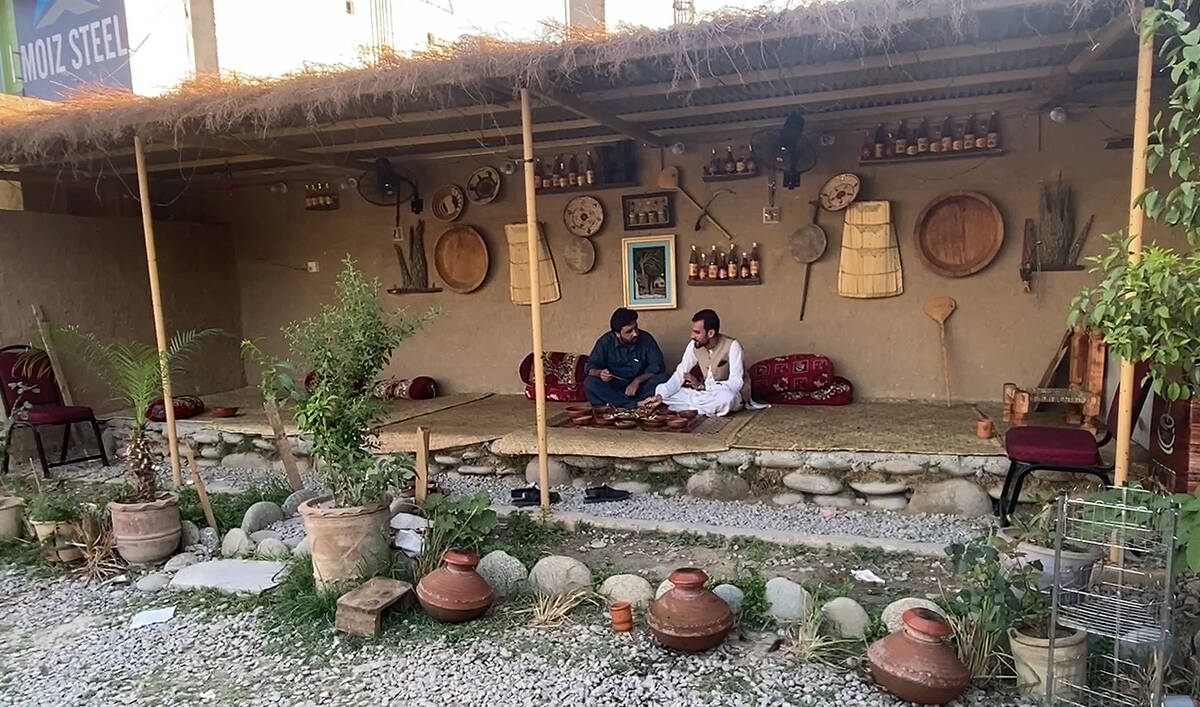
Customers eat traditional rice dish “warjale” at Nasir Khan's Kawdareen Traditional Restaurant in Mingora, Swat on April 28, 2025. (AN Photo)
Asad Khan, a 28-year-old resident from Besham in Shangla district, said he had come to Swat for sightseeing before he heard about the restaurant and the dish.
“Warjale is the traditional food of Swat,” he said. “The way it is cooked and then presented with desi ghee, it has an exceptional taste, we can’t explain it.”


