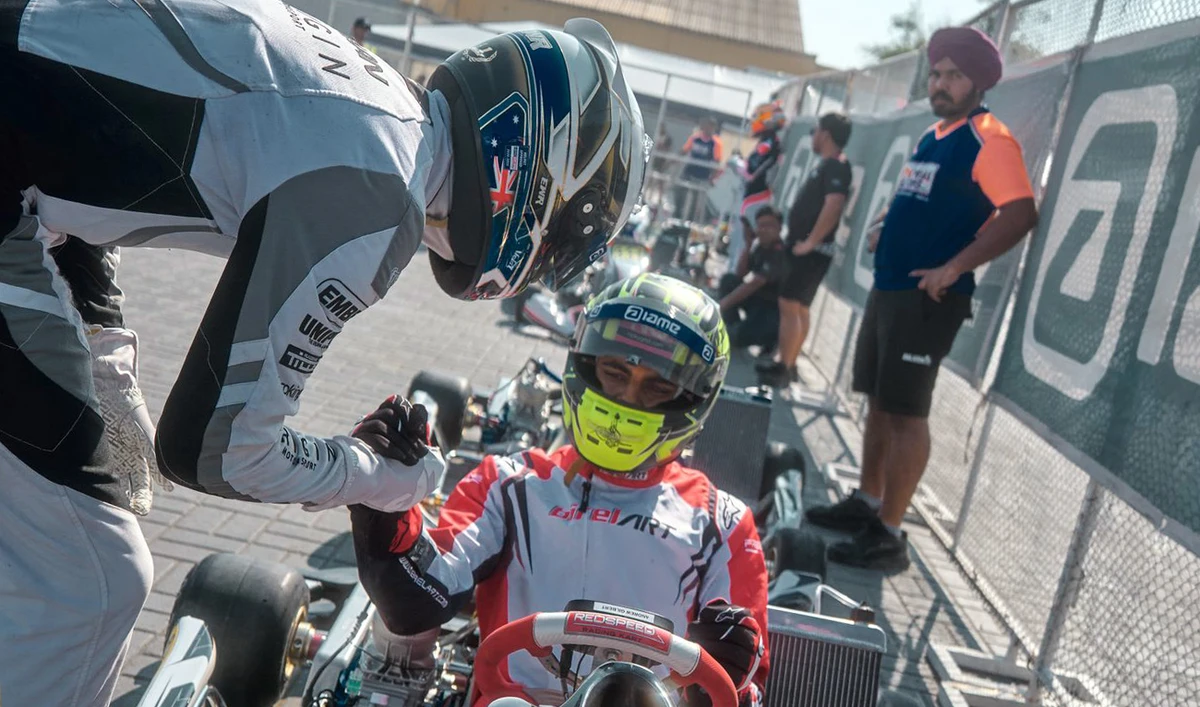
- Enaam Ahmed, 25, is a former British Formula 3 champion and European and World Carting Champion
- Since October 2024, Ahmed has been training young racers from the Middle East in his Dubai academy
KARACHI: British Pakistani racer Enaam Ahmed, a former British Formula 3 champion with various racing titles under his belt, said on Thursday he aims to bridge the gap in motorsport between Muslim countries and Europe by training young drivers from the Middle East.
Ahmed, 25, was born to Pakistani parents in London where he started racing on Go-Kart tracks at the age of 8. His passion for racing grew with time and at the age of 12, he became the British Formula 3 champion. Still a teen at 14, he became a European and World Karting Champion.
After spending a lot of time in Saudi Arabia and Dubai the past year, Ahmed and his friend Maz Chughtai from Pakistan started an academy, “Origin Motorsport,” in October 2024 to train young racers from the Middle East.
“At the moment, the GCC and the Muslim world are quite behind in racing compared to Europe,” Ahmed told Arab News over the phone. “I want to try and help bring it up to the same level, which will happen very quickly.”
Ahmed praised Saudi Arabia and the UAE for investing in motorsport. Ahmed was in Diriyah, Saudi Arabia, for a Formula E race last year where he met Martin Whitaker, the head of the Saudi Motorsports Company.
“We talked about the future for motorsports in the GCC and in Saudi Arabia,” the British Pakistani driver said. “And now they are developing another racing track outside of Riyadh in addition to a few go-karting tracks.”
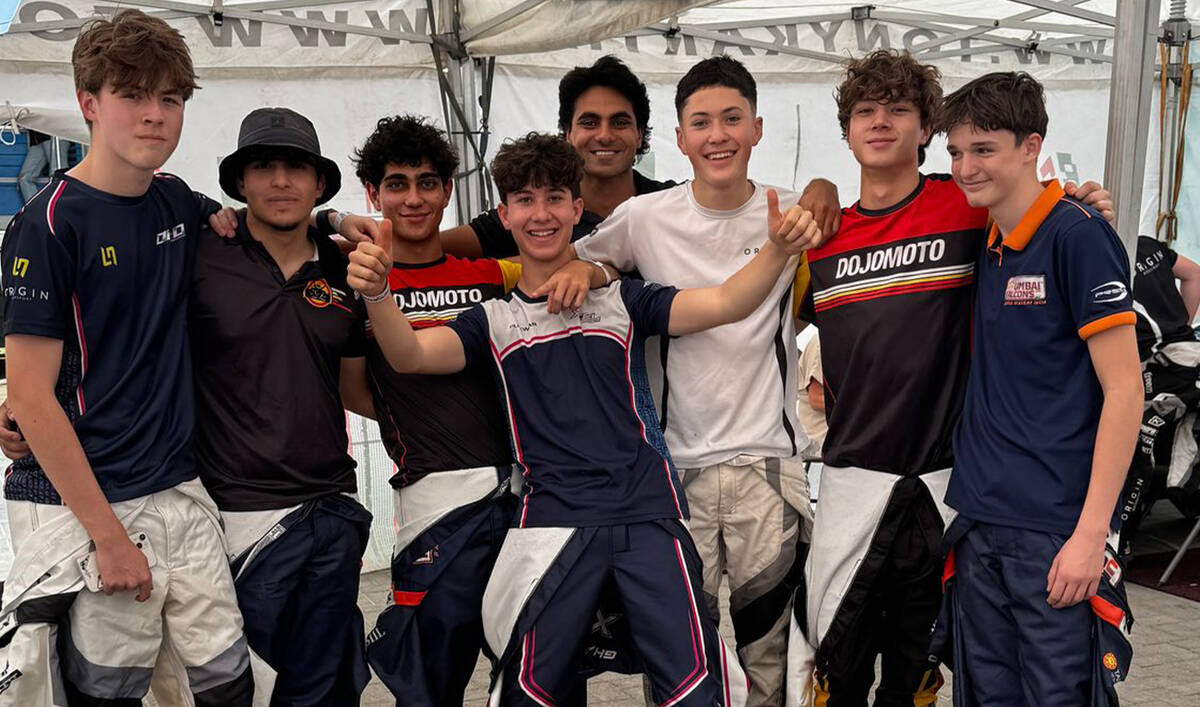
The academy is officially registered in Dubai, according to Ahmed, with five drivers from various countries in the Middle East training with them. Ahmed is the coach of their team, which is also named Origin Motorsports, while his friend Chughtai is the team’s principal.
While Saudi Arabia is investing in motorsport, Ahmed said there is no racing infrastructure in the Kingdom, prompting Saudi drivers to come to Dubai for the sport.
“The racing track in Saudi Arabia will be finished in Qiddiya, the entertainment and tourism megaproject in Riyadh,” he said. “Once it’s finished, I’ll start training the drivers over there.”
Ahmed is currently training young drivers in his academy for the UAE National Championship racing competition. He says most of the drivers from Dubai and in the Middle East he works with are from the UK.
While Saudi Arabia and the UAE are headed in the right direction for motorsport, Ahmed lamented the lack of opportunities for drivers in Pakistan essentially due to a lack of infrastructure for motorsport in the country.
“The infrastructure to give the opportunity to the young drivers is something we don’t have in Pakistan,” Ahmed explained. “Without the infrastructure, you will never find the talent.”

The Pakistani driver hoped he would someday get to train young racers from Pakistan other than those from the Middle East.
“Because they can’t do that in Pakistan,” he said. “Even though there are tracks, none of the race tracks in the country are to a good standard.
“There is no official racing in Pakistan. It’s just hobby racing.”
He said the next generation of racers in the GCC countries is “growing quite a lot” and that the young drivers under his tutelage are performing well.
“They all have a lot of potential, and they are very good to work with,” Ahmed said.
And given that he is a former world champion, he gets a lot of recognition from the young racers he trains.
“Wherever I go, they see it like I am the first Muslim world champion in the field.,” he said. “They all come to me, and they want to be trained by me.
“I wanted to be in a Muslim country and train Muslim drivers. That’s my real passion.”