

UN competition calls on Saudi startups using AI in travel

1 / 2
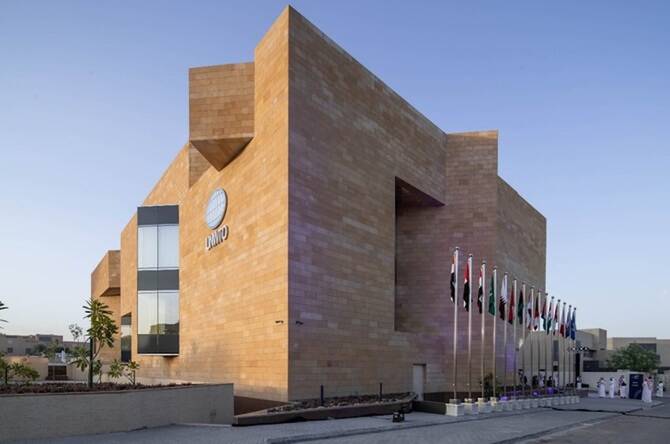
The UN World Tourism Organization's regional office for the Middle East in Riyadh. (@AhmedAlkhateeb)
2 / 2
(Supplied)
Short Url
Updated 23 April 2025
Follow

UN competition calls on Saudi startups using AI in travel

  • UN tourism competition aims to drive innovation in the travel industry
  • Saudi entrepreneurs urged to join as sector embraces digital transformation

RIYADH: A Riyadh-based UN tourism official has called on companies to take part in a competition spotlighting startups using AI in the tourism sector.

The Global Artificial Intelligence Challenge runs until Friday and aims to recognize companies that are using AI to improve user experience and sustainability.

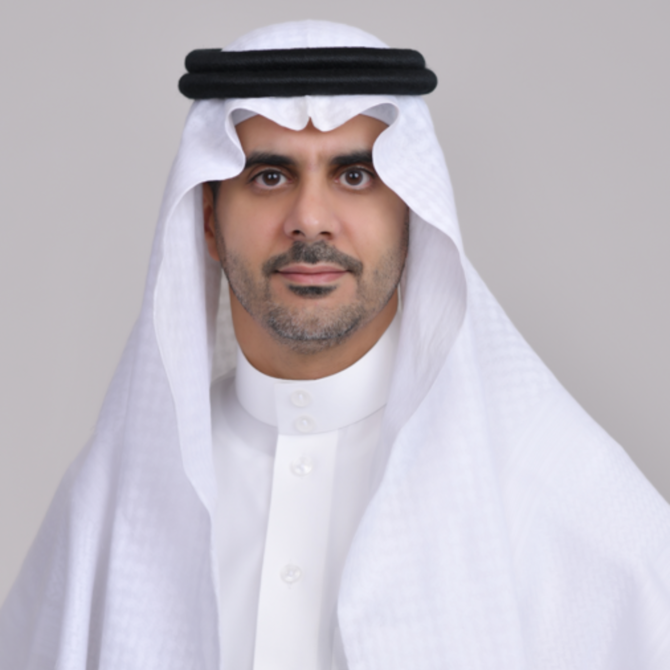
“The tourism sector is undergoing a rapid transformation, with artificial intelligence at the forefront, reshaping how we travel, experience destinations and operate within the industry,” said Samer Al-Kharashi, director of the UN Tourism Regional Office for the Middle East in Riyadh.

The competition calls on entrepreneurs who are “integrating AI solutions into their tourism businesses.” It aims to “identify and support start-ups driving innovation with AI technologies that enhance experiences and contribute to the sustainable growth of the sector.”

Al-Kharashi said: “This initiative is part of UN Tourism’s broader mission to innovate and lead digital transformation, drive growth through improved operations and impact; collaborate across sectors; and shape the future of a smarter, more resilient tourism sector.”

Startups that reach the final stages will gain access to a global network of mentors and industry leaders. Winners will pitch at the UN Tourism Demo Day and join an acceleration program at SPARK, the innovation hub of Les Roches. Support also includes connections to more than 90 venture capitalists and institutions across 150-plus countries, as well as potential pilot opportunities and additional backing from Plug and Play.

Al-Kharashi noted the importance of engaging entrepreneurs from the Middle East, saying that the regional office was “committed to recognizing and advancing the region’s innovation, fostering cross-border collaboration, and ensuring that local entrepreneurs are actively engaged in shaping the future of global tourism.”

He also pointed to the Kingdom’s strategic positioning. “Saudi Arabia, under its Vision 2030 initiatives, has placed a strong emphasis on adopting digital solutions ... This competition aligns directly with the Kingdom’s broader objectives, offering a platform for the younger generation, particularly AI enthusiasts and start-ups.”

Examples of AI integration in Saudi tourism include NEOM’s use of the Arena OneBrain system, which combines “the Large Human Behavior Model” and a real-time adaptation engine to create hyper-personalized travel experiences. “These innovations ... exemplify Saudi Arabia’s commitment to driving digital transformation in the tourism sector,” Al-Kharashi said.

AI is also being applied in environmental maintenance. “Red Sea Global introduced an AI-powered beach-cleaning robot ... capable of detecting and removing debris as small as one cubic centimeter,” Alkharashi said. He added that this shift toward “behind-the-scenes efficiency” reflected broader trends in AI-driven tourism innovation.


Experimental farm in Al-Lith looks into future of Saudi Arabian agriculture

Updated 02 February 2026
Follow

Experimental farm in Al-Lith looks into future of Saudi Arabian agriculture

  • Research initiative reflects strategic transformation

JEDDAH: An experimental farm in Saudi Arabia’s Al-Lith Governorate is one of the research initiatives reflecting the strategic transformation taking place in the Kingdom’s agricultural sector.

The farm uses highly efficient, sustainable production models that combine scientific research with commercial application, contributing to strengthening the country’s food security system and the sustainability of water resources.

Located in the Ghumaiqa Center on an area of about 10 hectares, the cutting-edge farm is a testing platform for modern agricultural technologies that tackle the challenge of water scarcity.

The farm includes developed open fields and modern greenhouses, supported by smart irrigation encompassing drip and sprinkler irrigation alongside surface and subsurface technologies.

All the systems operate via smart controls that enable the monitoring of water consumption and ensure improved efficiency, thereby achieving a balance between agricultural production and water conservation.

The farm also uses treated and diluted low-salinity seawater.

It aims to diversify agricultural water sources, reduce reliance on freshwater, and open new horizons for agriculture in coastal and semi-arid environments.

A view of the experimental farm in Al-Lith. (SPA)

The project represents a promising investment opportunity in the field of smart agriculture, enabling the development of commercially scalable production models, particularly for high-value vegetables and fruits, while reducing operational costs associated with water and energy, enhancing the economic feasibility of future agricultural projects.

In addition, the project contributes to transferring and localizing agricultural expertise, supporting local food supply chains, and creating an attractive environment for agricultural investment.

This aligns with Sustainable Development Goals and enhances the efficiency of the private sector in adopting innovative agricultural solutions.

Yahya bin Abdulrahman Al-Mahabi, the director of the Ministry of Environment, Water and Agriculture office in Al-Lith Governorate, told the Saudi Press Agency that the project represented the future of agriculture in the Kingdom.

He explained that the vision was based on investing in technology, enhancing the return on water per unit, and integrating scientific research with investment opportunities.

Al-Mahabi spoke of the experimental farm as a modern, scalable and replicable model applicable in several regions of the Kingdom, particularly in coastal environments.

Al-Mahabi highlighted the Ministry of Environment, Water and Agriculture’s commitment to supporting distinctive projects that contributed to achieving food security while developing rural areas and enhancing agricultural production efficiency, in line with the objectives of the Kingdom’s Vision 2030.
