



RIYADH: Gaming in Saudi Arabia is shaping fashion trends, influencing consumer behavior, and redefining personal identity among the Kingdom’s youth.
With nearly 70 percent of the population identifying as gamers, what began as a digital pastime has evolved into a lifestyle — and that lifestyle is now visible on the streets.
According to a study by Power League Gaming and Ipsos, the relationship between gaming and fashion in the Kingdom is “symbiotic and fast-evolving.”

Cosplay culture has contributed to gaming’s influence on fashion. (Supplied)
Global brands are now actively entering the Saudi gaming scene. In 2023, Adidas became the official merchandise partner of Gamers8, the Kingdom’s largest gaming festival, co-branding esports jerseys and offering customizations on-site for fans.
“Gaming is culture in Saudi Arabia, and fashion is naturally blending into that culture,” said Matthew Pickering, CEO of Power League Gaming.
For many gamers clothing has become an extension of their in-game identity. Whether it is a hoodie inspired by a favorite title or a jersey from a national team, Saudi gamers are increasingly expressing their digital passions in real life.

Cosplay culture has contributed to gaming’s influence on fashion. (Supplied)
Norah Shobili, a longtime gamer, noted that what started as basic T-shirts with logos has transformed into something deeper.
Shobili said: “Now it’s more like game skins — rare, valuable, and connected to status. I once won the official Saudi Overwatch team shirt from the 2023 World Cup. I tried it on, then put it back — I’m planning to frame it because it’s more valuable to me that way. It was a limited-edition piece sold only at the headquarters of Saudi electronic games.”
This shift from novelty to lifestyle is especially visible in streetwear. Pickering said: “Saudi gamers tend to gravitate toward casual, sporty clothing — limited-edition sneakers, graphic tees, hoodies tied to their favorite teams or games.”
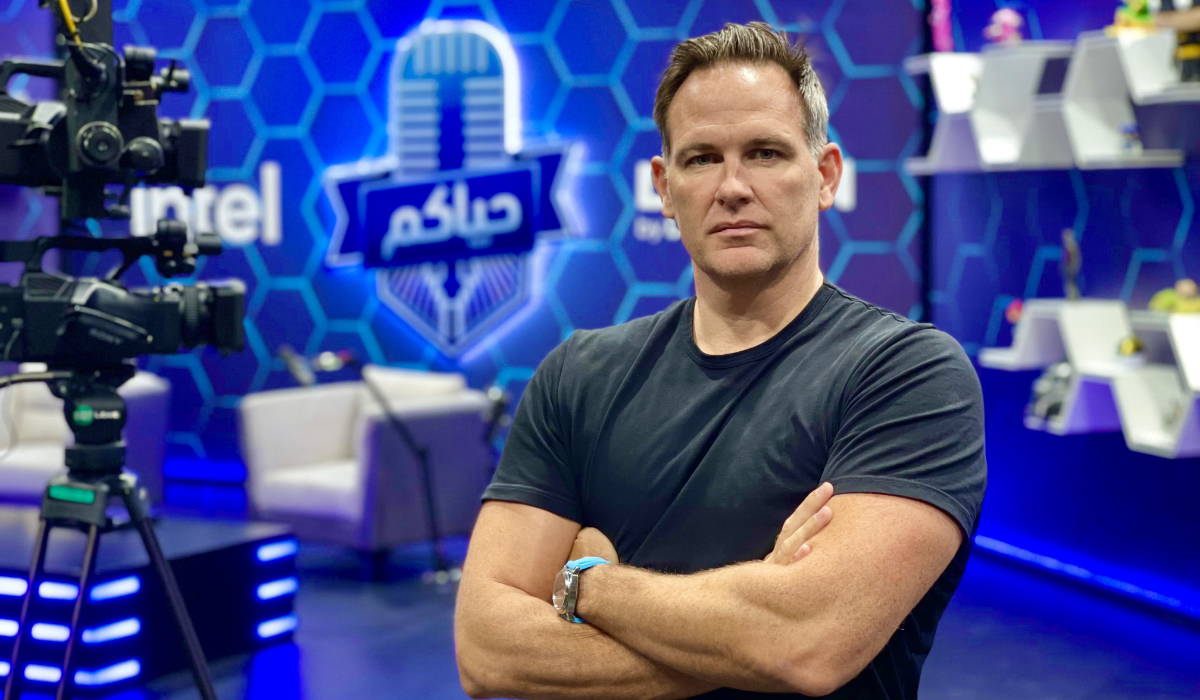
Matthew Pickering, CEO of Power League Gaming. (Supplied)
That style is not just for men. Nearly half of Saudi gamers are women, and many have merged modest fashion with gaming aesthetics — bold makeup inspired by game characters and culturally mindful outfits that still nod to the gamer identity.
Gamer Roaa Al-Johani echoed this blend of style and sentiment, saying: “It’s not just about playing games. A lot of gamers show their love for gaming through how they dress. It’s like wearing your passion out loud.”
Shatha Al-Yousef, another gamer, shares that view. “From my perspective I see the worlds of gaming and fashion as almost inseparable. Every gamer has some aesthetic sense that reflects who they are — whether in-game or in real life,” she said.
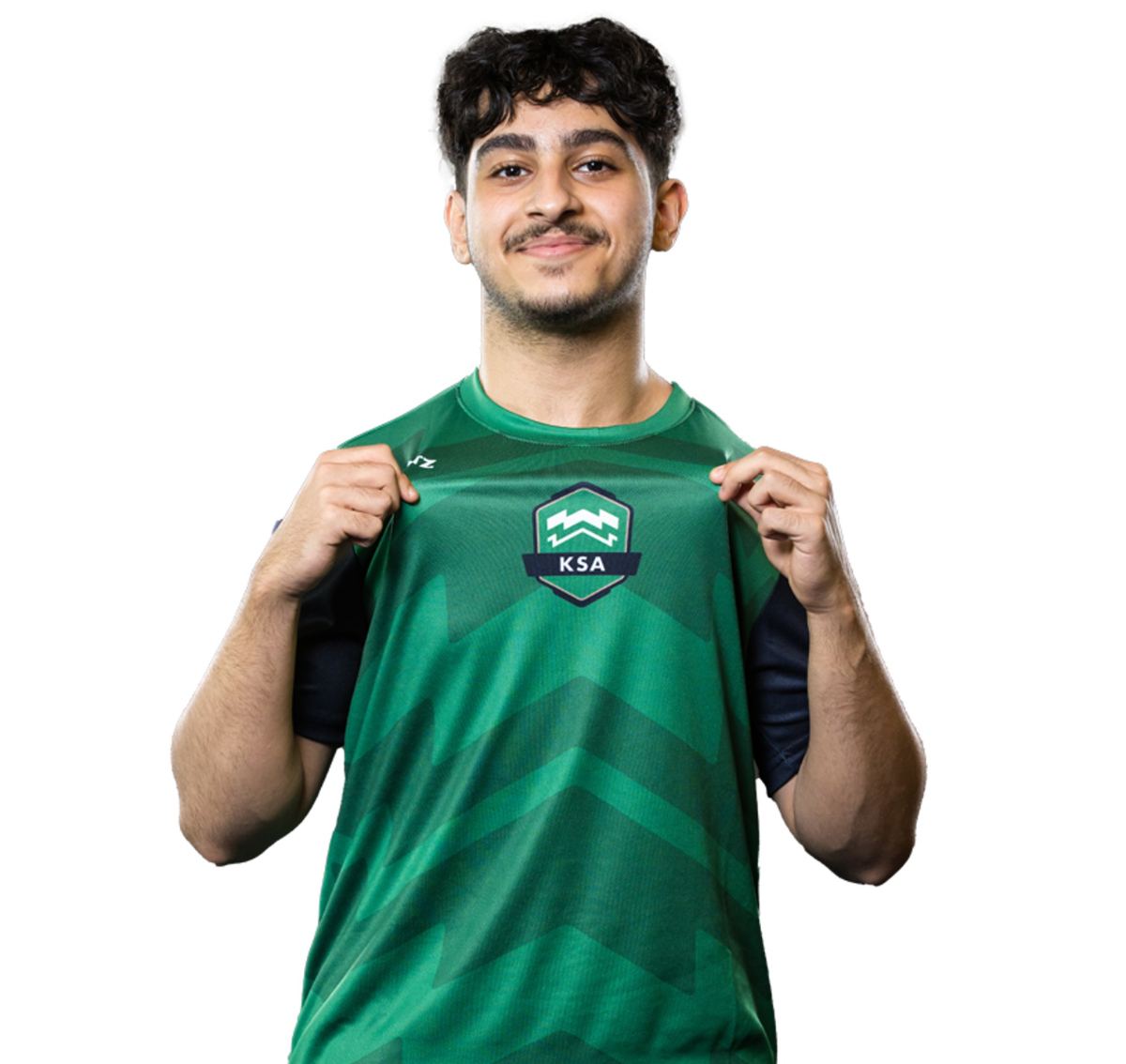
Ibrahem “Quartz” Alali, a member of the Saudi Overwatch esports team displaying his jersey which has become a collector's item since the team won the 2023 cup. (Supplied)
“It’s not just about gameplay. Even your appearance has become part of what defines you as a gamer.”
Still, this movement is relatively new in the Kingdom. “I believe our community is now OK with whatever you wear if it doesn’t have someone’s face on it,” said Shobili. “Other than that, dress however you like, and (you) will be stopped by someone who actually knows what you’re wearing.”
While global brands are jumping in, not all local voices are convinced of their authenticity. “I’ve never really seen meaningful collaborations between fashion brands and Saudi gamers,” Shobili added.
On the other hand, Al-Johani takes a more pragmatic view, saying: “They’re definitely commercial, but I honestly don’t mind that. I love when people get to express what they’re into — even if it’s part of a trend.”
Al-Yousef also finds value in wearing game-inspired clothing. She said: “I’ve seen a few outfits inspired by games that were really unique, though sometimes they mix characters from anime or generalize the gamer image, which doesn’t always feel accurate.
“Personally I love wearing pieces that connect me to my favorite characters — it makes me feel closer to the games I love.”
Pickering believes authenticity is the differentiator. “Successful campaigns are the ones that respect the community,” he said, pointing to projects like the Namshi x Adidas Fortnite Challenge, which generated over $1.4 million in sneaker sales and 39 million impressions. Another campaign with Maybelline New York targeted female gamers through a custom Fortnite challenge and increased conversion rates by over 3.6 percent.
What sets the Saudi market apart is its youth and energy. More than half of Saudi gamers are between 15 and 24, compared to only 29 percent in the UAE.
“It’s a young, dynamic audience that drives trends,” said Pickering. The market is also more gender-diverse than many might expect, significantly higher than in many neighboring markets.
Looking ahead, both gamers and experts agree that the next phase in the evolution will come with the upcoming Esports World Cup in Riyadh.
Speaking about the Overwatch World Cup, which was won by Saudi Arabia in 2023, Shobili said: “After the OWWC, the gaming culture got more recognition by more people in the community, and with the Esport World Cup (around) the corner, many teams’ ... supporters are going to be seen wearing clans’ merchandise.
“I believe this is an opportunity for local designers to be part of this international event.”
Al-Johani shares that hope, saying: “I’d love to see more events and collaborations. It’s so great when every group — gamers, anime fans, sports lovers — gets something that speaks to their interests.”
The future of fashion, Pickering believes, may be born on gaming platforms. With the rise of AI, AR, and VR, gaming is becoming a testbed for virtual fashion — digital skins, avatar style, and virtual stores. “We expect a future where a gamer in Jeddah shops a new collection in the metaverse, tries it on virtually, and receives both the in-game skin and real-world version at home,” he said.
As lines blur between reality and virtual life, fashion brands that embrace this shift early — especially in tech-savvy, youth-driven markets like Saudi Arabia — are likely to define the next generation of style.


