RIYADH: Art Week Riyadh, running until April 13, aims to spark a passion for collecting art in the heart of the capital. The event carries the tagline “a local art-collecting experience — anonymous displays, pure discovery.”
At the center of the initiative is Coollect, a pop-up exhibition curated by Jeddah-based Sara Alourfi, whose background spans a bachelor’s degree in visual arts from Switzerland and a master’s in curatorial management from Italy. Known for her sharp curatorial sensibility across contemporary art and fashion, Alourfi brings together a standout selection of emerging and established talent for this Art Week Riyadh
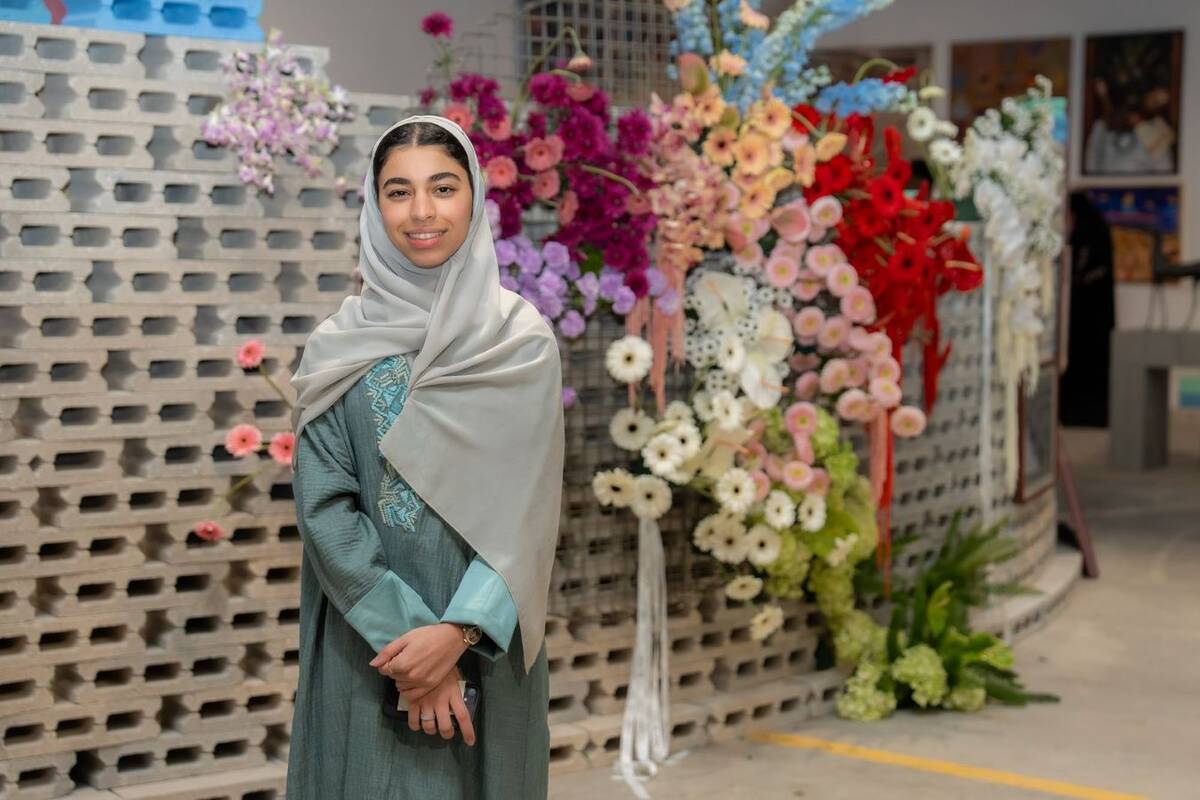
Coollect is a a pop-up exhibition curated by Jeddah-based Sara Alourfi. (AN Photo by Huda Bashatah)
The initiative is produced by atrum, an art consultancy dedicated to both curating exhibitions and supporting artists through its dynamic online platform.
“This is an activation by a company called atrum — an art company that offers art consultancy. They create exhibitions and support local artists with an online platform,” Alourfi told Arab News.
“Coollect is about making collecting cool again,” she told Arab News. “It’s about introducing the idea of collecting to the younger generation in Saudi. We wanted to break the fear of collecting … so we asked artists to submit artworks without any signatures and with different styles than they usually create.”
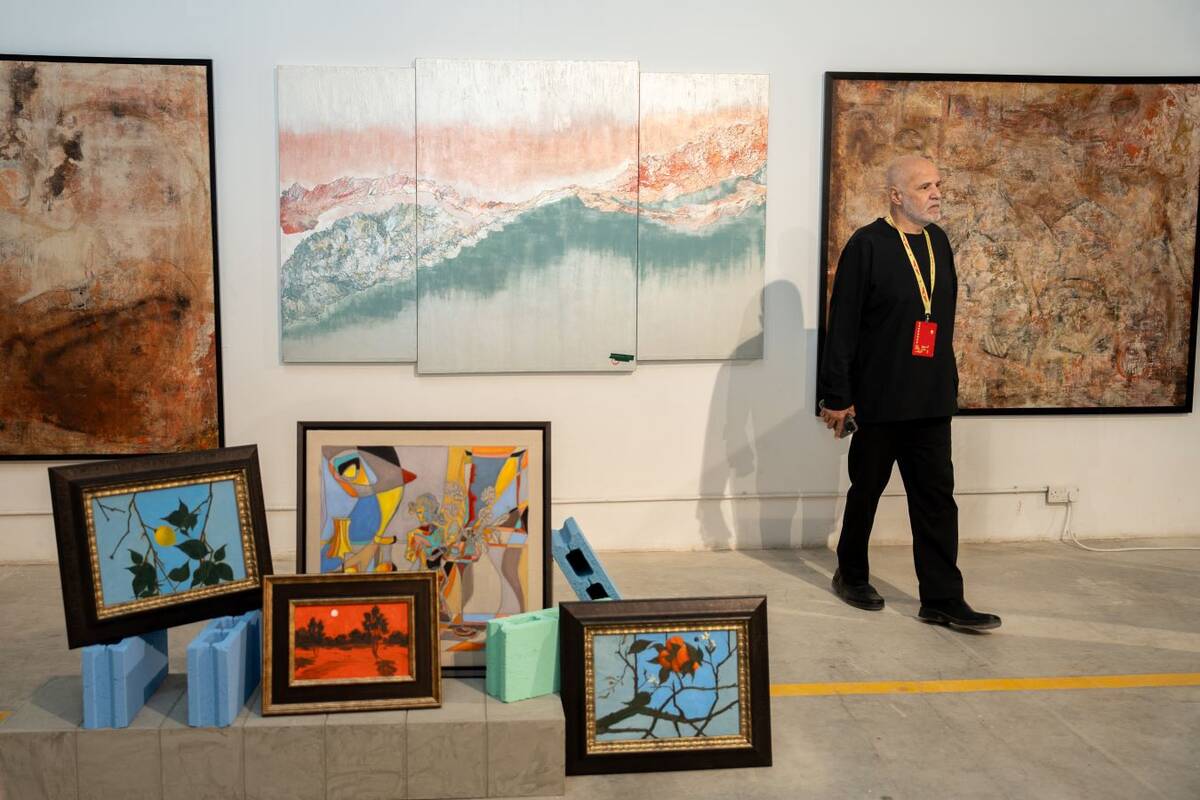
The artworks — anonymous and untitled — encourage viewers to engage without preconceived notions. (AN Photo by Huda Bashatah)
The artworks — anonymous and untitled — encourage viewers to engage without preconceived notions. All the participating artists contributed using mediums that differ from their usual work. Artists were also encouraged to use local framers and printers, reinforcing the emphasis on supporting the local ecosystem.
More than 120 artists have participated in the initiative. Some created new pieces specifically for the show, while others submitted works that challenge or expand their typical practice. “It’s a mix between emerging and established artists, and a mix between local, regional and international,” Alourfi told Arab News. “The youngest artist we have is actually 13 years old — but you wouldn’t know. You’d be surprised.”
Sales begin on April 12 and end on April 13. Prices, ranging from $133 to $2,130, will be revealed on-site, and buyers will only discover the identity of the artist after purchase. The price point is not indicative of the artist who made the work.
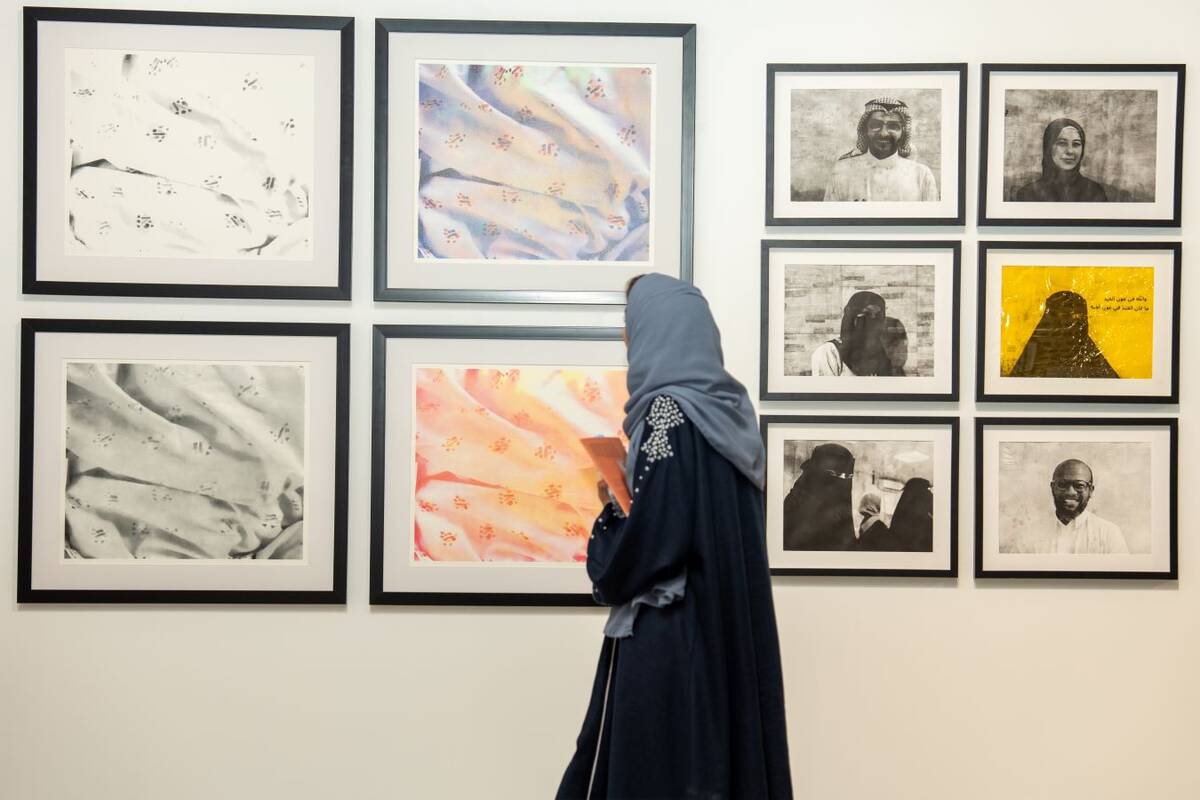
More than 120 artists have participated in the initiative. Some created new pieces specifically for the show, while others submitted works that challenge or expand their typical practice.
(AN Photo by Huda Bashatah)
The concept began nearly a year ago, with a focused artist selection process starting during Ramadan. Atrum promoted the initiative through WASM Studio and social media, resulting in a dynamic pool of talent.
“At atrum, we aim to break boundaries and think beyond the conventional — striving to constantly create new concepts to support the art ecosystem and give back to Saudi Arabia’s vibrant and ever-growing creative community,” Princess Sara Sultan Fahad Al-Saud, co-founder of atrum, told Arab News.
Alongside her and co-founder Nayfa Rayed Al-Brahim, the team of organizers also included Saudi artist Ziyad Alrogi.
On opening night, spectators wandered in and tried to guess who might have created which piece. Many established artists were seen viewing the works but they could not confirm nor deny whether their works were even included. It created an immersive and interactive setting.
“It’s truly heartwarming to see so many from our creative community come together to support and help bring this concept to life — not because they stood to gain anything, but simply because they believed in it,” Al-Brahim told Arab News. “Their willingness to be part of something bigger speaks volumes about the spirit of our community.”
Coollect is open now at JAX, where visitors can experience and explore the works before the sale opens to the public as the AWR finale.