- Pakistan has asked all “illegal foreigners” and Afghan Citizen Card holders to leave or face deportation from April 1
- Move is part of larger repatriation drive of foreign citizens that began in November 2023 following rise in militancy
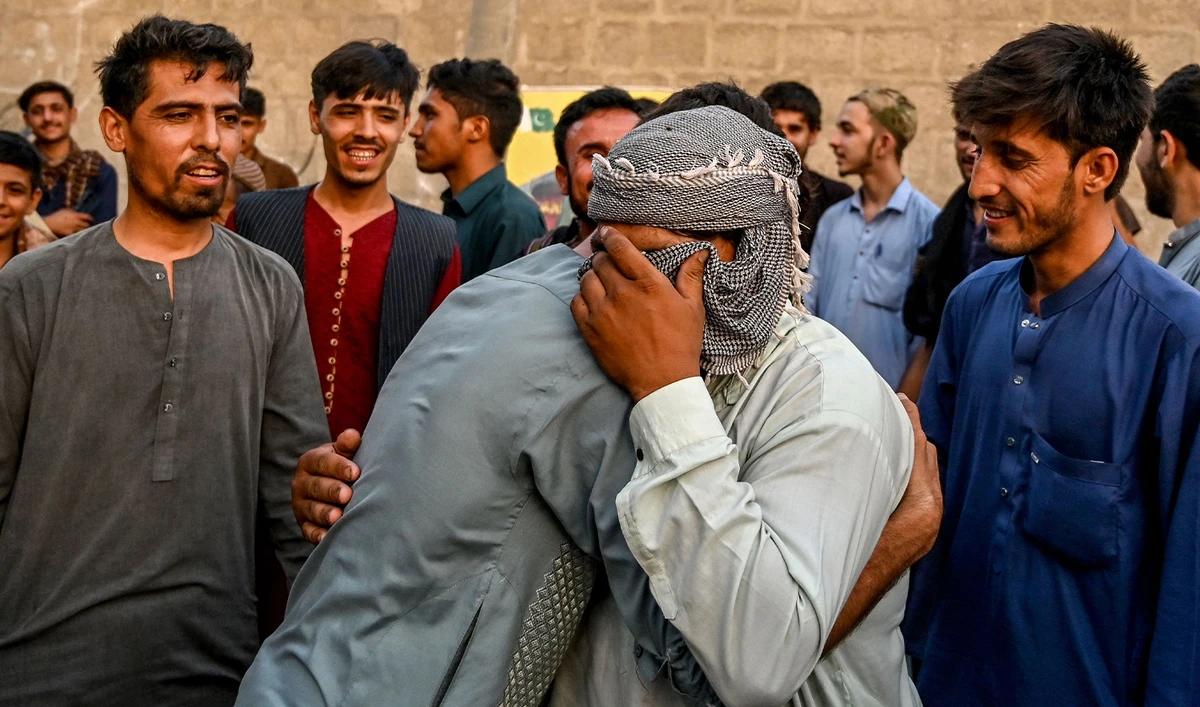
ISLAMABAD: Over 7,000 Afghan nationals were sent back to their home country on Tuesday, state broadcaster Radio Pakistan said on Wednesday, while over 913,000 Afghans have been repatriated since the government launched a mass deportation drive in 2023.
Earlier this year, Pakistan’s interior ministry asked all “illegal foreigners” and holders of Afghan Citizen Cards — a document launched in 2017 to grant temporary legal status to Afgan refugees — to leave the country before Mar. 31, warning that they would otherwise be deported from April 1.
The move is part of a larger repatriation drive of foreign citizens that began in November 2023, with over 900,000 Afghans expelled from Pakistan since. The government initially said it was first focusing on expelling foreigners with no legal documentation and other categories like ACC holders would be included later.
More than 800,000 Afghans hold an ACC in Pakistan, according to UN data. Another roughly 1.3 million are formally registered with the Pakistan government and hold a separate Proof of Residence (PoR) card, launched in 2006 to grant legal recognition and protection to Afghan refugees. In total, Pakistan has hosted over 2.8 million Afghan refugees who crossed the border during 40 years of conflict in their homeland.
“Over 7,000 illegal Afghan nationals were sent back to their homeland yesterday [Tuesday] and the total number of illegal Afghan nationals leaving Pakistan has reached 913,301,” Radio Pakistan said in its daily update report on the deportation campaign.
“The government is ensuring the dignified return of illegal foreign nationals and Afghan Citizen Card holders to their home countries.”
Pakistani officials said earlier this week over 13,500 Afghan nationals had been repatriated since April 1.
Separately, officials in the eastern Pakistani province of Punjab said 6,132 “illegal immigrants” had been deported from the provincial capital of Lahore and across the province and over 8,227 had been sent to holding centers.
Pakistan’s deportation policy in 2023 followed a rise in suicide attacks, particularly in the northwestern Khyber Pakhtunkhwa province that borders Afghanistan. Islamabad has in the past blamed militant attacks and other crimes on Afghan citizens, who form the largest portion of migrants in the country. The government says militants, especially from the Pakistan Taliban (TTP), are using safe havens in Afghanistan and links with Afghans residing in Pakistan to launch cross-border attacks. The ruling administration in Kabul has rejected the accusations.
International rights groups accuse Pakistani police and authorities of harassing and intimidating Afghan refugees during the forced expulsion drive, which Pakistani officials deny.
“There is no doubt that the forced deportation of Afghan migrants and this unilateral action is against all international, Islamic, and neighborly principles,” Abdul Motalib Haqqani, a spokesman for the Afghan ministry of migration and repatriation, said in a statement on Tuesday.
“Since this matter concerns two countries, it is essential to work on a mutually agreed mechanism to ensure the dignified return of Afghans to their homeland.”
Human rights groups have also raised concerns.
“Pakistan is abandoning its international commitment to not send people back to where their rights are at risk,” said Fereshta Abbasi of Afghanistan Human Rights Watch. “All countries hosting Afghan refugees should maintain the position that Afghanistan is unsafe for returns.”
With inputs from Reuters