



RIYADH: For startups aiming to go public, the path from early-stage to initial public offering is marked by critical transitions that simultaneously test the founders and the business itself.
While many young companies achieve rapid initial traction, only a select few manage to scale sustainably and navigate the complexities of public markets.
Investors who specialize in early-stage funding play a crucial role in shaping a startup’s foundation, ensuring that it is built for long-term success rather than short-term growth.
“The journey from early-stage to IPO isn’t linear. It’s a series of hard transitions that test both the founder and the business,” said Mohammed Al-Meshekah, founder and general partner of Outliers, an early investor in Saudi Arabia’s Tabby, now valued at $3.3 billion and on track for an IPO.
“The startups that make it aren’t just chasing trends; they’re solving real problems with deep, contrarian insights that others overlook,” he said in an interview with Arab News.
Identifying IPO-ready startups
Early indicators of a startup’s potential to reach the IPO stage often lie in the strength of its founding team, market opportunity, and ability to scale efficiently.
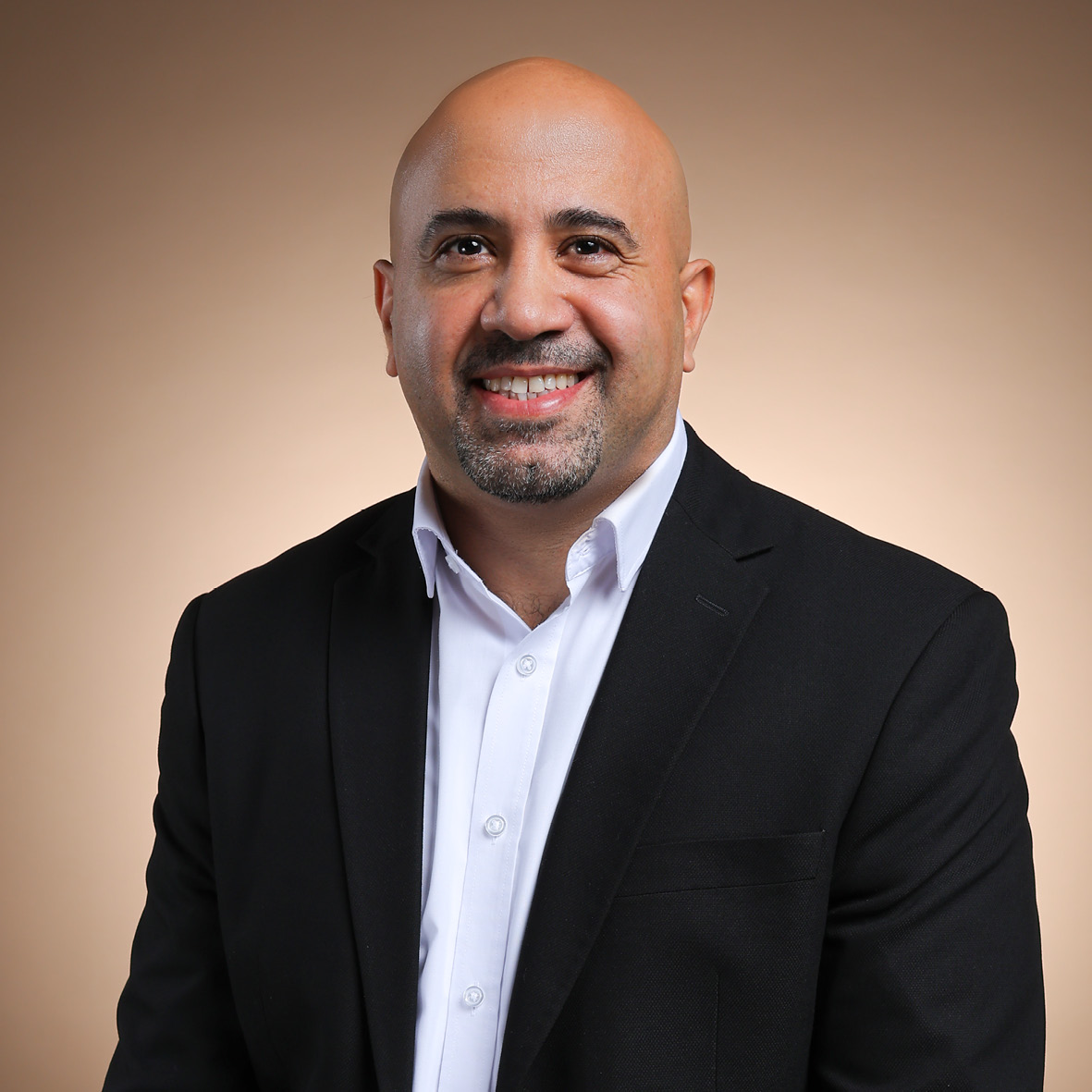
Mohammed Alzubi, managing partner and founder of Nama Ventures. Supplied.
Mohammed Al-Zubi, managing partner and founder of Nama Ventures, which backed Saudi unicorns Salla and Tamara — both preparing for IPOs — believes that leadership resilience is one of the most defining factors.
“The most critical factor is the founding team — their complementary skill sets, resilience, ability to adapt, and long-term vision define the company’s trajectory,” he told Arab News.
“Markets change, challenges arise, but strong leadership ensures a startup can navigate uncertainty and sustain growth,” he added.
Beyond leadership, Al-Zubi emphasized the importance of market opportunity and execution.
“Companies that successfully go public are solving large-scale problems with high demand and room for expansion,” he explained. “A startup must not only show early traction but also demonstrate an ability to scale efficiently.”
Financial discipline is another critical factor in determining whether a startup can reach the IPO stage.

The journey from early-stage to IPO isn’t linear. It’s a series of hard transitions that test both the founder and the business.
Mohammed Al-Meshekah, founder and general partner of Outliers
“Investors and public markets look for companies that can balance aggressive growth with financial stability,” Al-Zubi said.
Al-Meshekah agreed, saying: “The real test isn’t early traction, but instead whether the company can transition from hacking value to scaling growth, then from growth to real profitability.”
He warned against chasing vanity metrics or unsustainable growth, stressing that “those who navigate these shifts deliberately are the ones that go the distance.”
According to Al-Meshekah, a startup that is truly ready to scale “isn’t forcing growth; it has customers pulling the product, a repeatable engine for acquisition, and a clear path to sustainable unit economics.”
Founders who succeed are not just fixated on their solution but are “obsessed with the problem,” he said.
The Outliers’ founder added: “They adapt relentlessly, attract top talent, and shift from scrappy execution to scaling with precision.”
Al-Zubi believes that the startups that reach IPO “embed financial discipline, governance, and strategic decision-making from the early days.”
He added: “The best founders don’t just raise capital; they surround themselves with investors who challenge their thinking, push them toward scalability, and help them anticipate challenges before they arise.”
While leadership, market fit, and financial discipline lay the groundwork for a potential IPO, Al-Meshekah argued that the role of venture capital extends far beyond funding.
“VCs too often think their value lies only in capital and advice. But advice is cheap, and capital is a commodity,” he said.
“Effective venture capital is not simply placing bets; they truly shape a startup’s foundation with active, hands-on partnership at the most critical moments.”
Furthermore, Al-Zubi explained that venture capitalists who were once founders hold even greater value because they have the right empathy.
Navigating key inflection points on the path to IPO
As startups mature, they encounter critical inflection points that shape their ability to scale and eventually go public.
These moments require strategic adjustments, from shifting organizational structures to strengthening financial discipline.
Venture capital firms play a crucial role in guiding founders through these transitions, ensuring that their companies evolve in a way that supports long-term growth and IPO readiness.
“The first major inflection point is shifting from finding product-market fit to scaling effectively,” Al-Meshekah said.
He said that many startups get early traction, but that real scale comes only when there is genuine demand pulling the product.
“At this stage, the right investors are in the trenches with founders as thought partners in their go-to-market motion, customer retention strategy, and organizational structure to build an effective growth engine,” Al-Meshekah added.
Beyond early scaling, startups must transition from founder-led operations to structured organizations capable of managing complex growth.
“What worked at 20 employees won’t work at 200,” Al-Meshekah said, adding: “This is where hiring, leadership structure, and internal processes become make-or-break factors. A strong investor helps founders recruit exceptional leaders, align incentives, and avoid cultural dilution as the company grows.”
Al-Zubi said that the first critical stage is post-seed and early growth, where founders must transition from proving product-market fit to building a repeatable, scalable business model.
“This is when foundational decisions on hiring, expansion, and customer acquisition set the stage for long-term growth,” he said.
Al-Zubi explained that the next major inflection point comes in the scaling phase, when companies move from early-stage agility to structured, process-driven growth.
“This is where operational efficiency, governance, and financial discipline become key,” he said. “If a company isn’t thinking about these factors by this stage, its ability to scale beyond a certain point is limited.”
As companies approach an IPO, the emphasis shifts toward financial sustainability and governance.
“Many companies sprint toward scale without ever proving they can operate efficiently at scale,” Al-Meshekah said.
“At this stage, founders optimize margins, strengthen capital discipline, and shift the business model toward long-term value creation. Investors focus on bringing institutional governance and institutional processes.”
Al-Zubi agreed that IPO readiness is not just about preparing financial statements in the final stages but about embedding public-market discipline early.
“Startups that integrate strong governance and financial transparency early on find this transition far smoother than those that scramble to meet public market expectations,” he said.
“IPO readiness isn’t about a single moment — it’s about how a company has been built from Day 1.”


