
WASHINGTON: President Donald Trump goaded China on Friday after the US’s chief economic rival retaliated against his tariffs, and he dismissed falling stock markets over the growing global trade war, touting it as a chance to “get rich.”
“China played it wrong, they panicked — the one thing they cannot afford to do!” Trump posted on Truth Social, writing the message in his trademark all-caps.
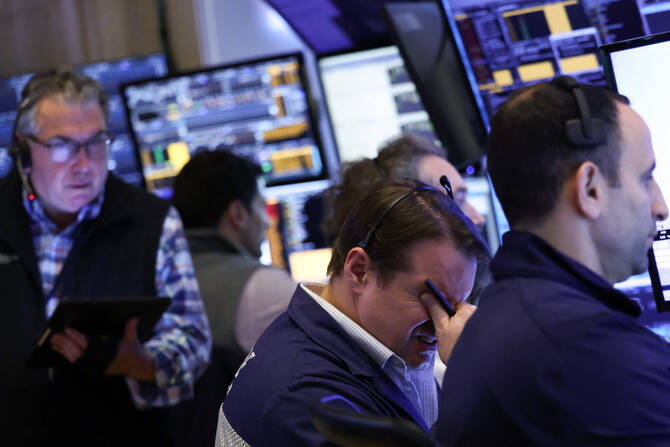
For a second day, markets plunged, wiping vast sums off investment and retirement portfolios alike. US Federal Reserve Chairman Jerome Powell warned the tariffs were likely to spur “higher inflation and lower growth.”
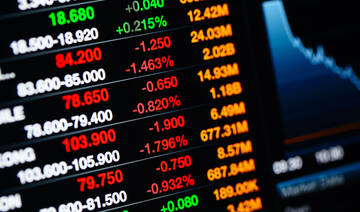
Wall Street went into free fall, following similar collapses in Asia and Europe. The Dow Jones dropped 5.5 percent and the S&P 5.97 percent.
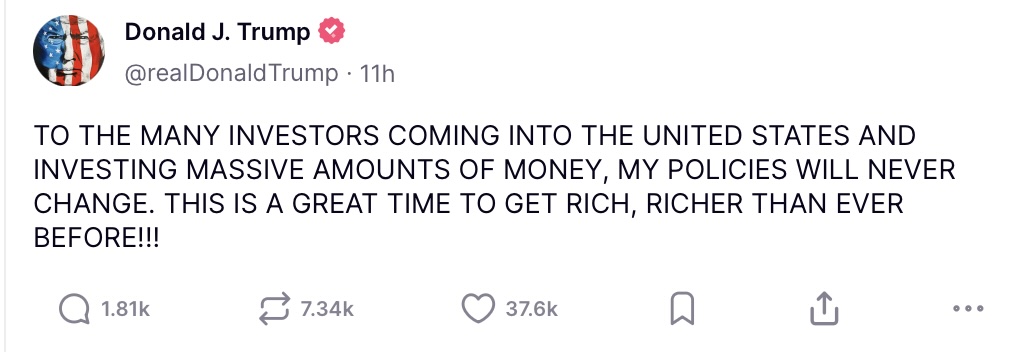
Trump, who unveiled his barrage of import duties against dozens of countries Wednesday, was unrepentant, posting that “my policies will never change.”
“This is a great time to get rich,” he wrote.
The 78-year-old Republican, who was spending a long weekend golfing at his course in Palm Beach, Florida, is banking on the theory that the might of the world’s biggest economy will force foreign companies to manufacture on US soil, rather than continue to import goods.
“ONLY THE WEAK WILL FAIL!” Trump touted in yet another Truth Social post Friday.
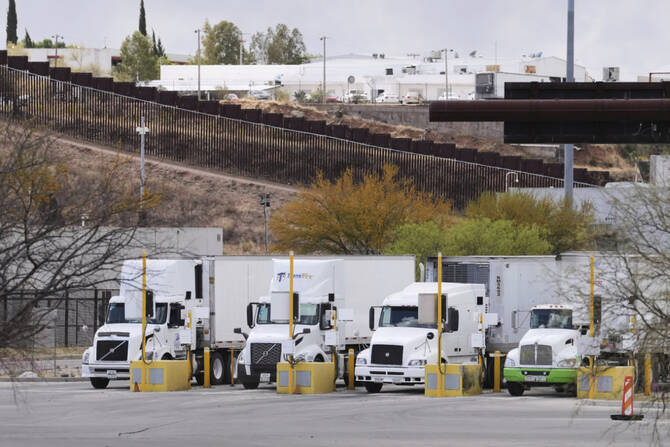
China, however, responded by announcing its own new 34 percent tariffs on US imports starting April 10.
Beijing said it would sue the United States at the World Trade Organization and also restrict export of rare earth elements used in high-end medical and electronics technology.
Other big US trading partners held back as they digested the unfolding international standoff and fears of a recession.
EU trade chief Maros Sefcovic said the EU, which Trump hit with a 20 percent tariff, will act in “a calm, carefully phased, unified way” and allow time for talks.
However, he also warned the bloc “won’t stand idly by.”
EU leaders mull retaliation
France and Germany have said the 27-nation EU could respond by imposing a tax on US tech companies.
Economy Minister Eric Lombard urged French companies to show “patriotism” after President Emmanuel Macron argued it would send the wrong message if they pressed ahead with investments in the United States.
Lombard said the EU’s retaliation would not necessarily involve tit-for-tat tariffs and could use other tools, pointing to data exchange and taxes instead.
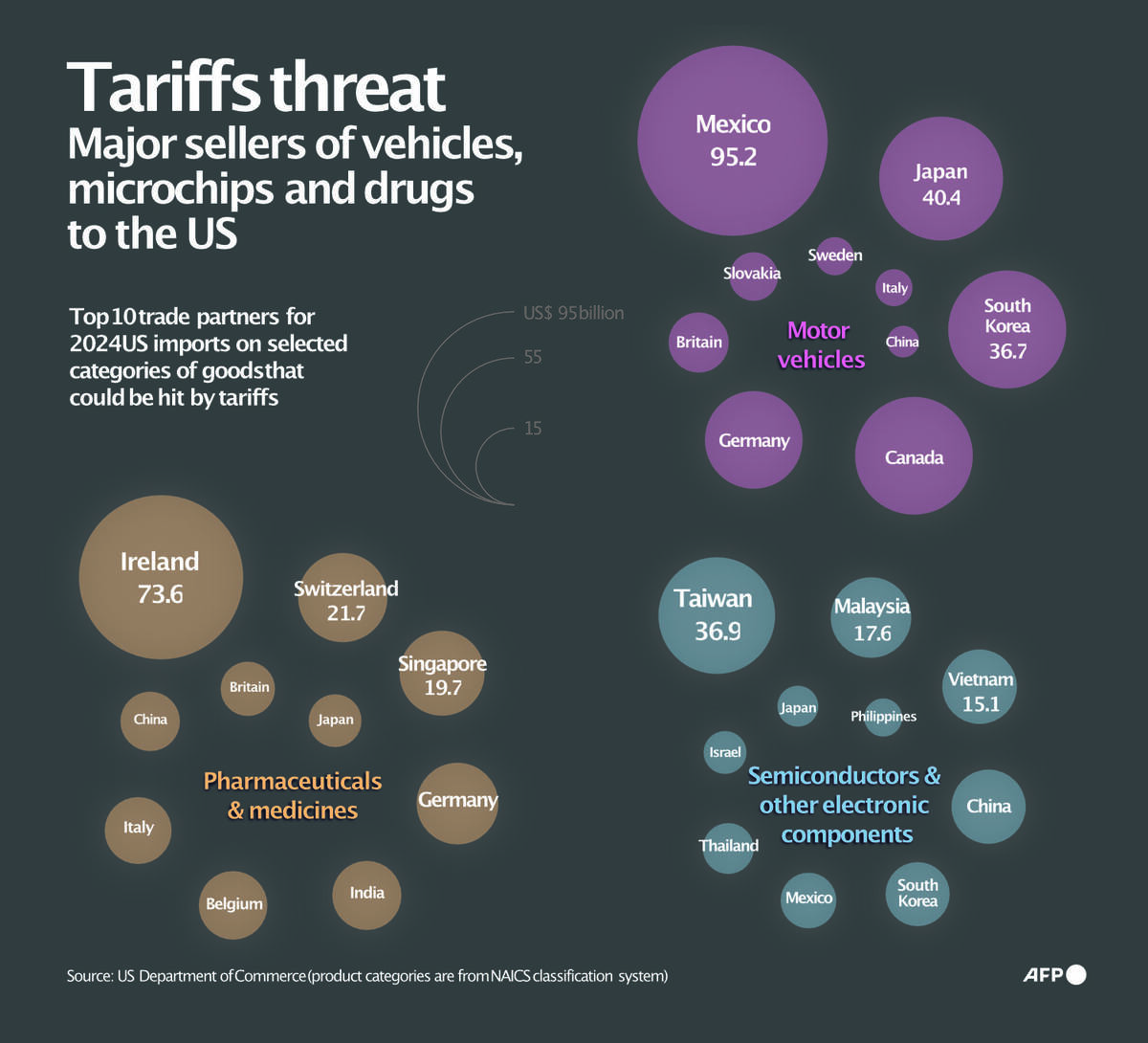
In Tokyo, Prime Minister Shigeru Ishiba called for a “calm-headed” approach after Trump slapped 24 percent tariffs on Japanese-made goods.
Trump said he’d had a “very productive” call with Vietnam’s top leader after the southeast Asian manufacturing hub was hit with extraordinary 46 percent US duties.
Separate US tariffs of 25 percent on all foreign-made cars went into effect this week, and Canada swiftly responded with a similar levy on US imports.
Stellantis — the owner of Jeep, Chrysler and Fiat — paused production at some Canadian and Mexican assembly plants.
But Japanese carmaker Nissan said on Friday it would revise plans to reduce production in the United States. And Sweden’s Volvo, owned by China’s Geely, said it would increase its US production.
“Messing around with people’s lives”
Democratic Senator Amy Klobuchar lashed out at the tariffs, saying they would hurt regular Americans.
Trump is “messing around with people’s lives... while he’s out golfing!” she said.
And there was rare criticism from the right too, with Trump loyalist Republican Senator Ted Cruz worrying that the tariffs could “hurt jobs and hurt America.”
The Fed chairman’s speech also highlighted concerns that the tariff shockwaves will reach deep into the US economy.
But minutes before Powell suggested the Fed will continue to hold off from cutting its benchmark lending rate, Trump pressured him to do so.
“CUT INTEREST RATES, JEROME, AND STOP PLAYING POLITICS!” he posted — once again defying the longstanding custom in which the White House respects the central bank’s independence.
In a more concrete sign of how tariffs are impacting trade, Nintendo announced it was delaying preorders of its hotly anticipated Switch 2 gaming console while it assesses “evolving” conditions.