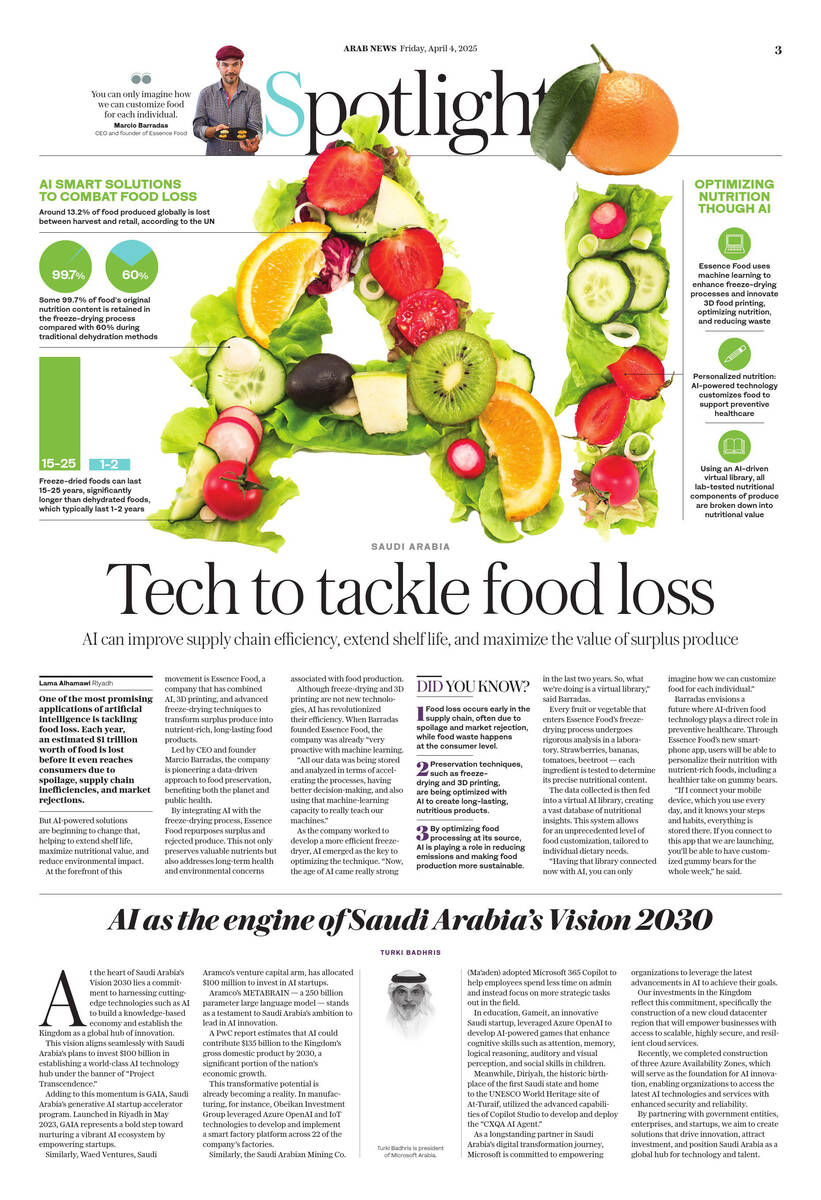
RIYADH: Artificial intelligence is revolutionizing nearly every industry, and food production is no exception. From precision farming to lab-grown meat, AI is enabling more sustainable, efficient, and innovative ways to feed the world’s growing population.
One of the most promising applications is the use of AI to tackle food loss — one of the biggest challenges facing global food security. Each year, an estimated $1 trillion worth of food is lost before it even reaches consumers due to spoilage, supply chain inefficiencies, and market rejections.

But AI-powered solutions are beginning to change that, helping to extend shelf life, maximize nutritional value, and reduce environmental impact.
At the forefront of this movement is Essence Food, a company that has combined AI, 3D printing, and advanced freeze-drying techniques to transform surplus produce into nutrient-rich, long-lasting food products.
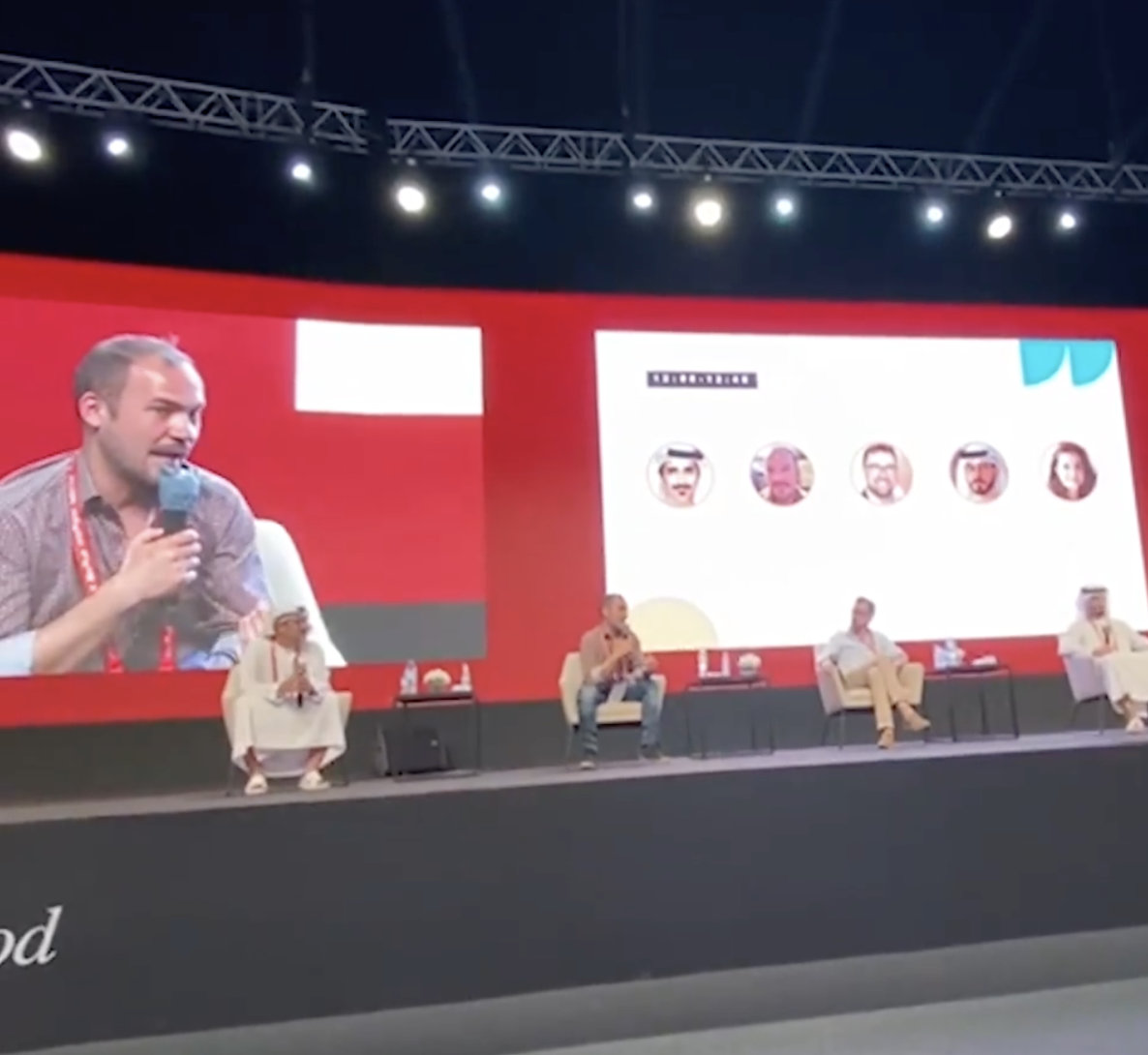
Essence Food's CEO and founder Marcio Barradas explaining the concept of his company at a forum. (Instagram: 3dessencefood)
Led by CEO and founder Marcio Barradas, the company is pioneering a data-driven approach to food preservation, proving that cutting-edge technology can turn food loss into opportunity — benefiting both the planet and public health.
During a 2017 TED talk, Barradas highlighted the crucial difference between food loss and food waste. He explained that food loss occurs early in the supply chain, before products reach consumers, while food waste happens at the consumer level.
The consequences of food loss are significant, leading to a drastic reduction in the volume of food available for consumption. Several factors contribute to this issue, including poor yields, quality inconsistencies, spoilage, and inefficiencies in transportation and storage.
One particularly troubling aspect of food loss is the rejection of perfectly edible fruits and vegetables by retailers due to aesthetic imperfections. This practice results in vast quantities of nutritious food being discarded before it ever reaches a plate.
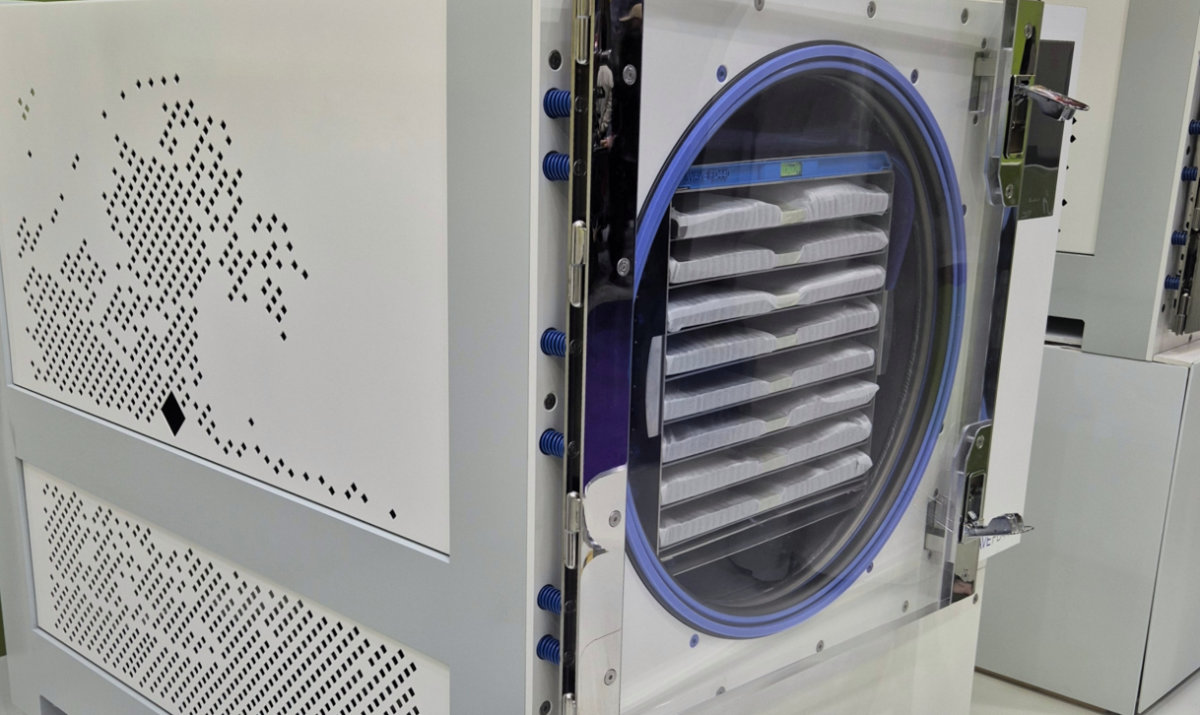
By integrating AI with the freeze-drying process, Essence Food repurposes surplus and rejected produce that might otherwise go to waste. (Supplied)
Reflecting on his TED talk, Barradas told Arab News: “It was a call to the industry to wake up and stop wasting foods when they can actually monetize them. So it was sort of from trash to cash.”
Despite growing awareness of food loss, Barradas observed that as recently as 2019, no large-scale solutions had been implemented to tackle the problem effectively. Determined to change this, he launched Essence Food, a company dedicated to reducing food loss through advanced technology.
Opinion
This section contains relevant reference points, placed in (Opinion field)
By integrating AI with the freeze-drying process, Essence Food repurposes surplus and rejected produce that might otherwise go to waste. This not only preserves valuable nutrients but also addresses long-term health and environmental concerns associated with food production.
Freeze-drying, unlike other dehydration methods, retains a greater percentage of a food’s original nutrients while significantly improving shelf life and product quality. These advantages make it an ideal technology for tackling food loss on a global scale.
After its initial launch in Spain, Essence Food quickly expanded its footprint in the Middle East, beginning with the UAE and now moving into Saudi Arabia.
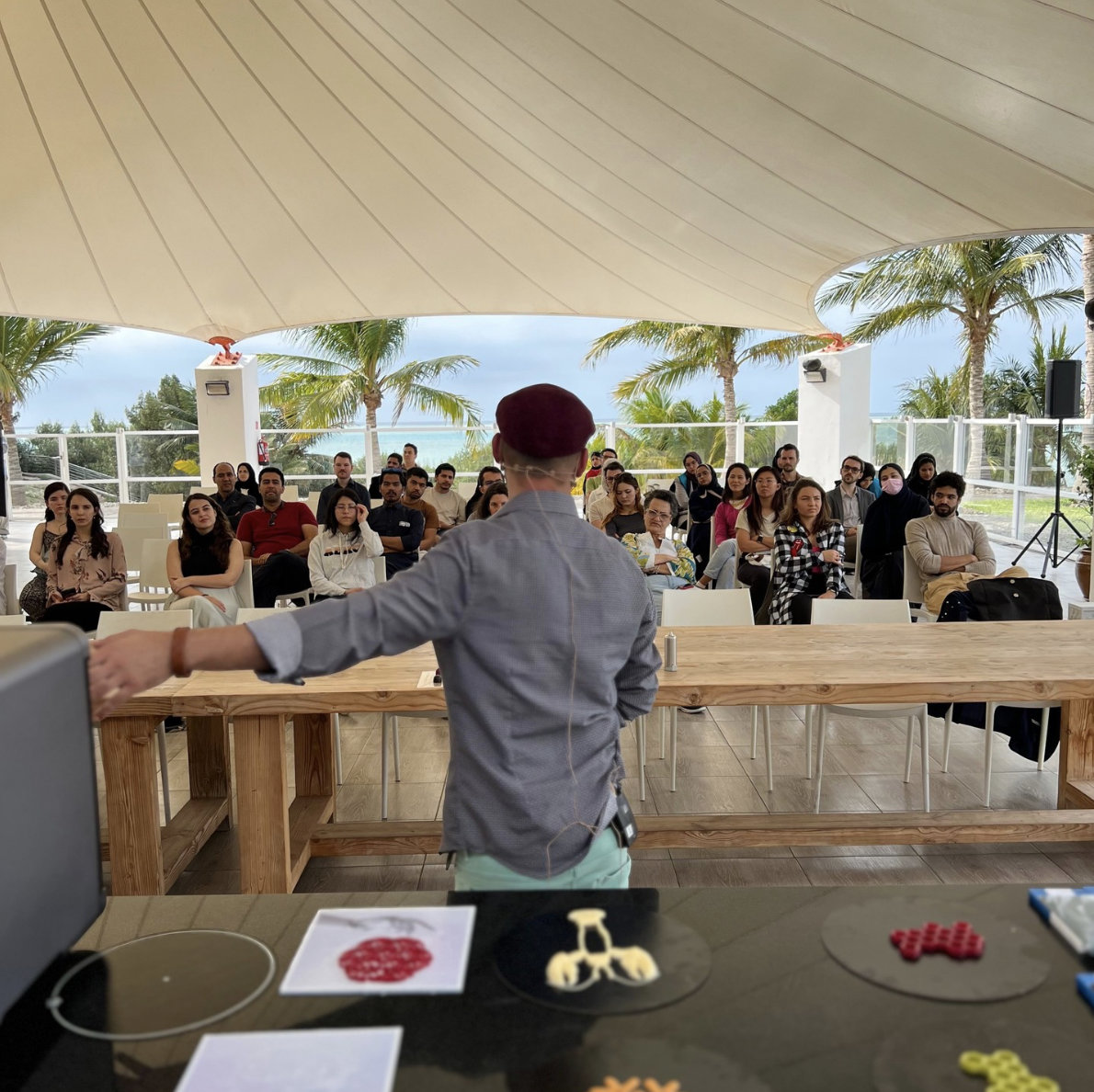
Visitors attend a demo of Essence Food at the Gulfood in Dubai. (Supplied)
“We presented it at Gulfood in Dubai, and amazingly, we won as most innovative startup back in 2019,” said Barradas, referring to the company’s 3D-printed products, which have been showcased at the prestigious food industry event.
“This allowed us to expand very fast in the region and start to see how we can optimize all the resources that exist, knowing there is a region that imports the majority of its fruits and vegetables.
“Encouraged by winning that award at Gulfood, what I saw is that in the Middle East, there is an advantage compared to Europe. It’s less bureaucratic. When the decision-makers here believe in something, they will bring it to the front and it will be implemented.”
Although freeze-drying and 3D printing are not new technologies, AI has revolutionized their efficiency. When Barradas founded Essence Food, the company was already “very proactive with machine learning.
“All our data was being stored and analyzed in terms of accelerating the processes, having better decision-making, and also using that machine-learning capacity to really teach our machines.”
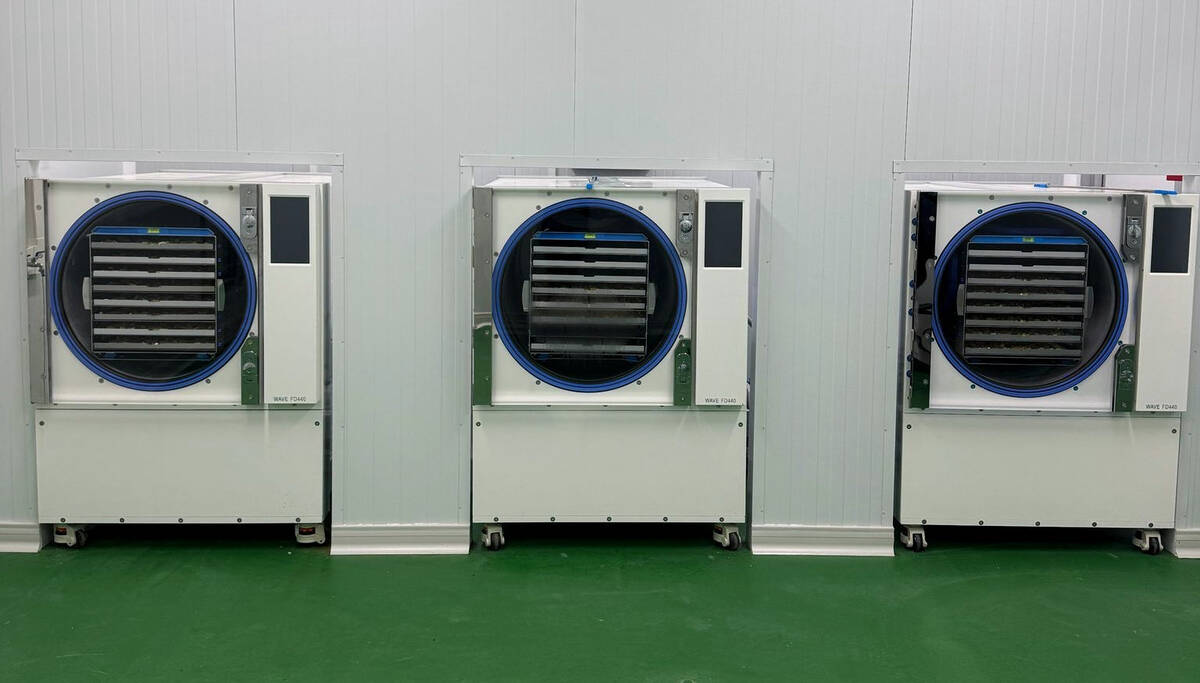
As the company worked to develop a more efficient freeze-dryer, AI emerged as the key to optimizing the technique. (Supplied)
As the company worked to develop a more efficient freeze-dryer, AI emerged as the key to optimizing the technique. “Now, the age of AI came really strong in the last two years. So, what we’re doing is a virtual library,” said Barradas.
Every fruit or vegetable that enters Essence Food’s freeze-drying process undergoes rigorous analysis in a laboratory. Strawberries, bananas, tomatoes, beetroot — each ingredient is tested to determine its precise nutritional content.
The data collected is then fed into a virtual AI library, creating a vast database of nutritional insights. This system allows for an unprecedented level of food customization, tailored to individual dietary needs.
DID YOU KNOW?
• Food loss occurs early in the supply chain, often due to spoilage and market rejection, while food waste happens at the consumer level.
• Preservation techniques, such as freeze-drying and 3D printing, are being optimized with AI to create long-lasting, nutritious products.
• By optimizing food processing at its source, AI is playing a role in reducing emissions and making food production more sustainable.
“Having that library connected now with AI, you can only imagine how we can customize food for each individual.”
Barradas envisions a future where AI-driven food technology plays a direct role in preventive healthcare. Through Essence Food’s new smartphone app, users will be able to personalize their nutrition with nutrient-rich foods, including a healthier take on gummy bears.
“If I connect your mobile device, which you use every day, and it knows your steps and habits, everything is stored there. If you connect to this app that we are launching, you’ll be able to have customized gummy bears for the whole week,” he said.
“So, you’ll take two gummy bears a day, or one gummy bear a day, not to cure any disease, but to prevent you from getting any disease.”
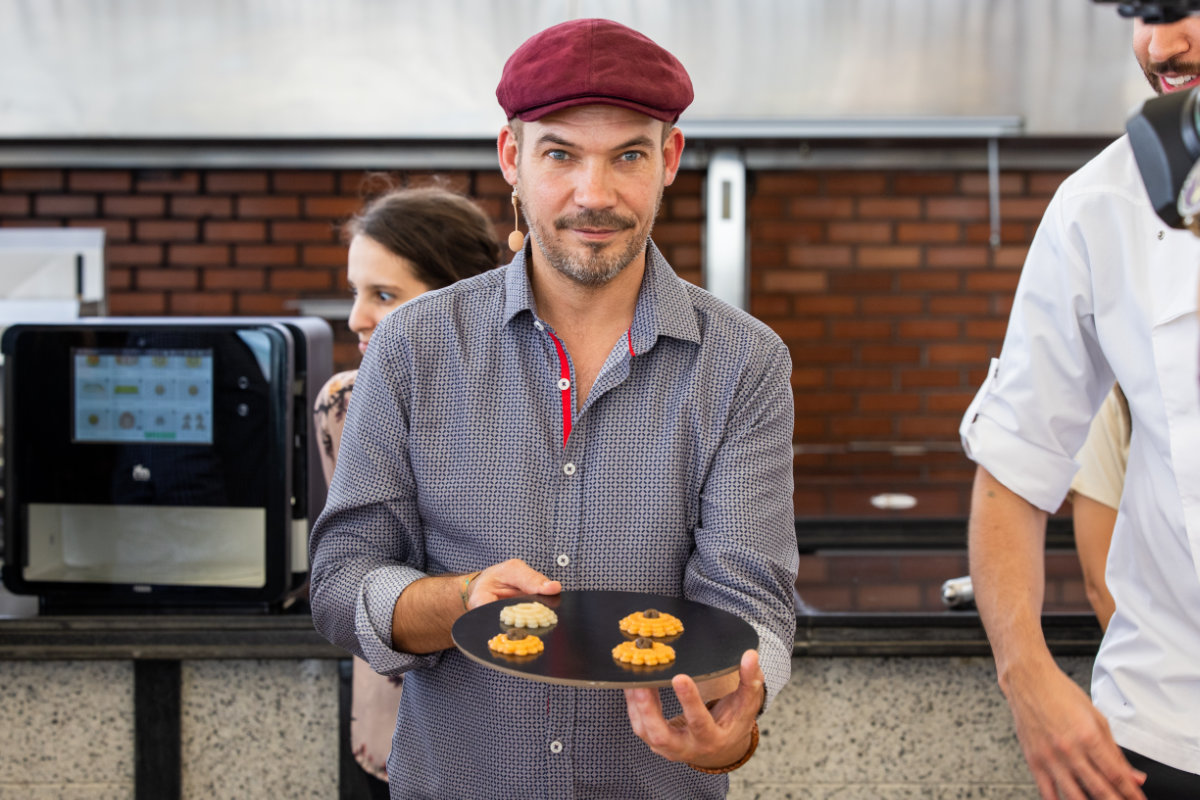
Visitors get a taste of samples of Essence Food products at the Gulfood in Dubai. (Supplied)
He believes that modern diets have led to an over-reliance on supplements and pharmaceuticals. “We are only dealing with the consequences, with the symptoms, but we’re not fighting the causes,” he said.
Beyond nutrition, machine learning is also driving new sustainability initiatives within Essence Food’s freeze-drying technology.
One of the company’s most innovative breakthroughs is the recovery of water from fruits during the drying process. This reclaimed water has the potential to support vertical farming and other water-scarce agricultural initiatives.
“There’s something really amazing in this technology,” said Barradas. “It doesn’t need water, but it brings back water. So, any time you freeze-dry in the machine, it gives you potable water that was inside the fruits.”
The implications of this discovery are particularly relevant for regions like Saudi Arabia, where water scarcity is a pressing issue.
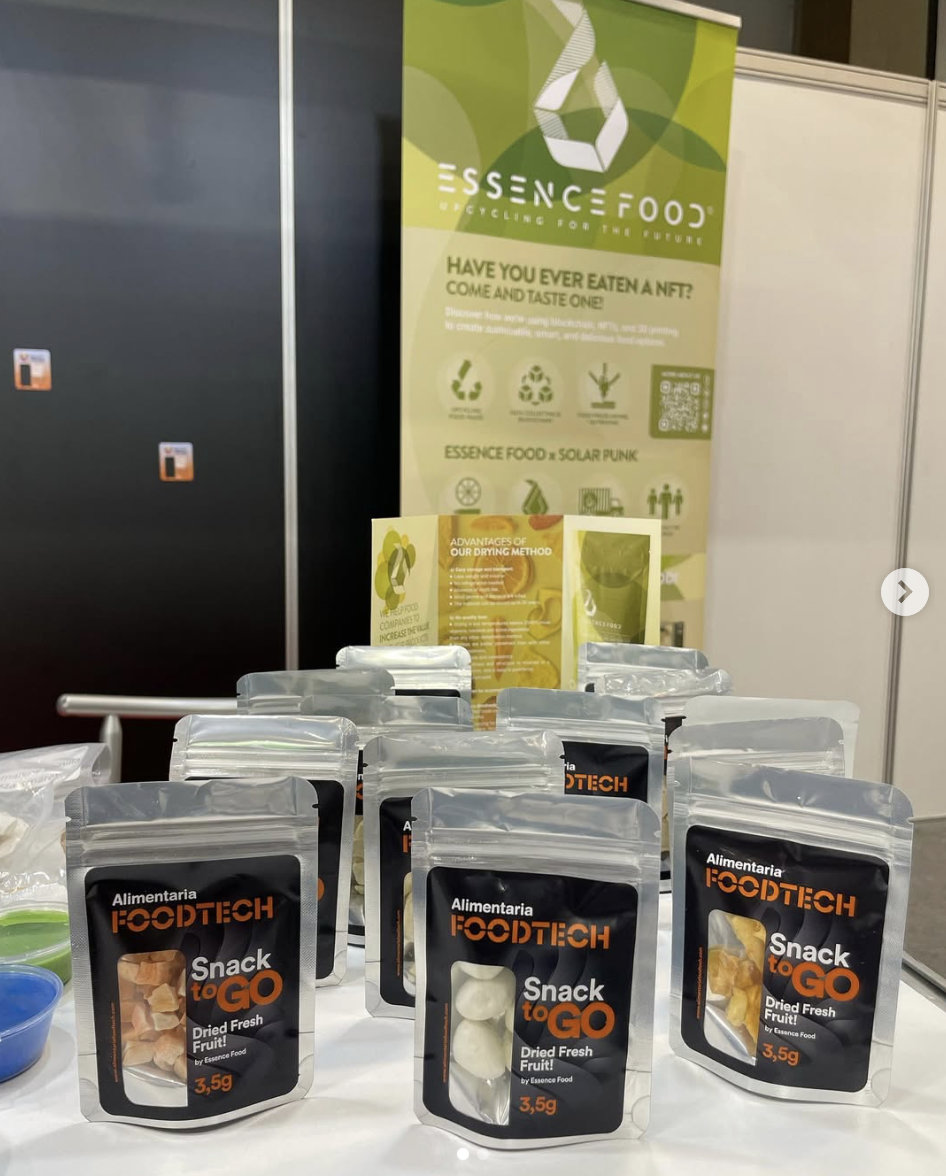
Some of the dried fresh fruit products of Essence Food. (Instagram: 3dessencefood)
“If we load the machine with 40 kg of strawberries, we will be removing 35 liters, 32 liters, of potable water,” said Barradas.
This water recovery system can be integrated with vertical farming operations, creating a closed-loop system where food loss is minimized and essential resources are conserved.
“We want to create a synergy with vertical farming, where we recover food losses from these vertical farms in the desert, and with the water that we recover, we create more food,” said Barradas.
“Because Saudi Arabia, being such a vast region, and knowing the region where dates are grown, it will be amazing to bring the technology to the source and not bring the ingredient to Riyadh, for example, to transform it.
“Because the impact of transport and moving fresh ingredients is really big on the planet. We’re looking to go to the source of the ingredient to minimize everything that has to do with CO2 emissions.”