



MAKKAH: Amid a record-breaking influx of pilgrims this year, female tour guides in Makkah have become an integral part of the experience.
Their fluency in multiple languages and deep knowledge of the Holy City’s history and landmarks have made them invaluable to both pilgrims and visitors.
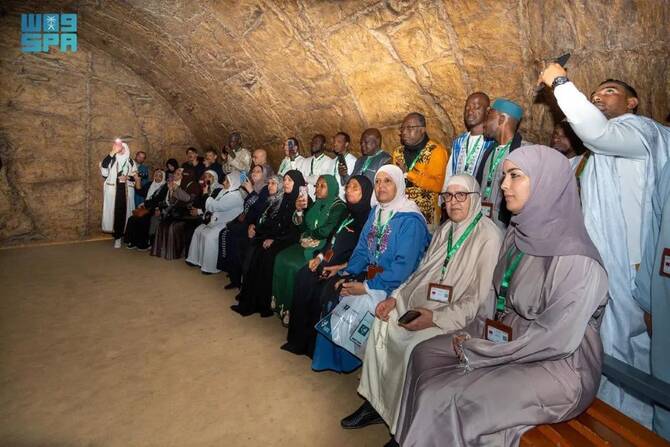
They share information, help visitors navigate sacred sites and teach people about culture and religion — all of which help make the experience even more memorable.
One of the women, Itimad Ghazzawi, said: “Our mission is to enrich (pilgrims’) journey — not just by guiding them through rituals, but by offering a deeper connection to the Islamic heritage and culture embedded in this sacred city.”
She explained that tour guides speak multiple languages, as Makkah brings together people from all around the world.
“We strive to master these languages to become a bridge between the pilgrim and this sacred city,” she said. “Through storytelling, we reveal the meaning behind each site, trace the city’s historical evolution and bring to life the journeys of the Prophet, his noble companions, and the defining moments that shaped Islamic history.
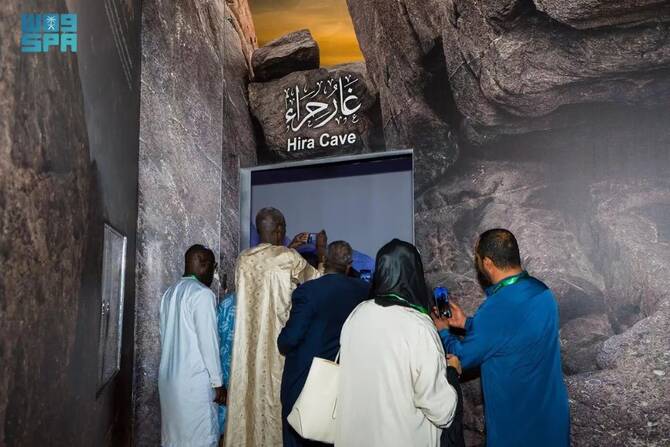
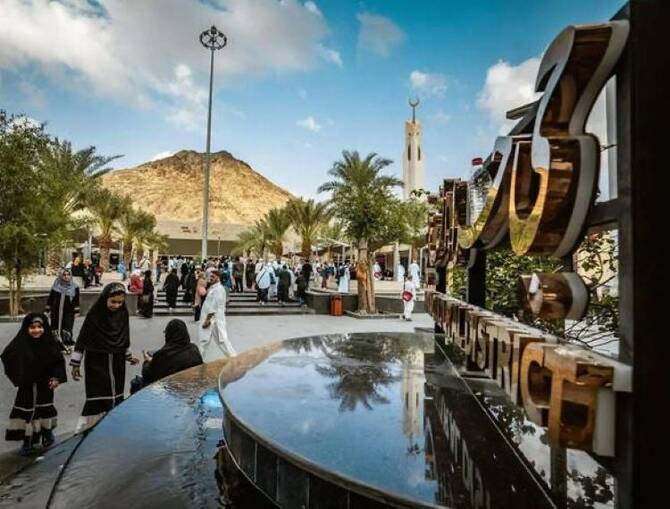
“We also offer reassurance to pilgrims, many of whom are visiting for the first time and may feel uncertain about where to begin or how to perform the rituals properly. We help them navigate the holy sites, from Makkah’s historic mountains and museums to its valleys, ravines, Jabal al-Nour and the Cave of Hira, making every step smoother and more meaningful.”
She added: “Some arrive feeling anxious about the crowds or overwhelmed by language barriers, and we’re there to ease those worries, instill confidence, and ensure their pilgrimage is both smooth and spiritually fulfilling.”
Fellow guide Rania Chaudhry emphasized that enriching the pilgrim experience required extensive knowledge.
“We go far beyond surface-level facts,” she told Arab News. “We delve into historical texts, study key Islamic events and consult trusted sources, research extensively, and listen to historical narratives to ensure everything we share is both accurate and meaningful.
“At the same time, we embrace modern technology, using apps and interactive platforms to connect with visitors and deliver guidance in ways that are engaging, accessible, and relevant.”
She added being a tour guide was “a mission, one that fills us with pride. It is an opportunity to serve the guests of God and reflect an honorable image of Makkah, as well as of Saudi women, who have become an integral part of this meaningful field.
“There’s a profound sense of fulfillment in a pilgrim’s eyes filled with gratitude, knowing they felt more at ease, more connected and better informed during their visit to this sacred place.”
While at times the guides face challenges — such as navigating heavy traffic or responding to complex and unexpected questions — Chaudry said these only strengthened their commitment.
“Such experiences push us to sharpen our skills,” she said.
“We are honored to be part of each pilgrim’s journey, helping them see Makkah with eyes of understanding and hearts full of reverence. We love what we do, because it allows us to serve the guests of God and enrich their spiritual journey with knowledge, passion and purpose.”


