RIYADH: The sweets and chocolate market is growing, driven by rising consumer demand for diverse options, high chocolate demand and special Eid Al-Fitr promotions that boost sales.
According to the Zakat, Tax and Customs Authority, the Kingdom’s chocolate imports exceeded 123 million kg in 2024, reflecting increased demand, the Saudi Press Agency reported on Saturday.
The UAE, the UK, Jordan, Egypt and Turkiye are among the main countries from which the Kingdom imports chocolate, offering a variety of products to meet consumer expectations.
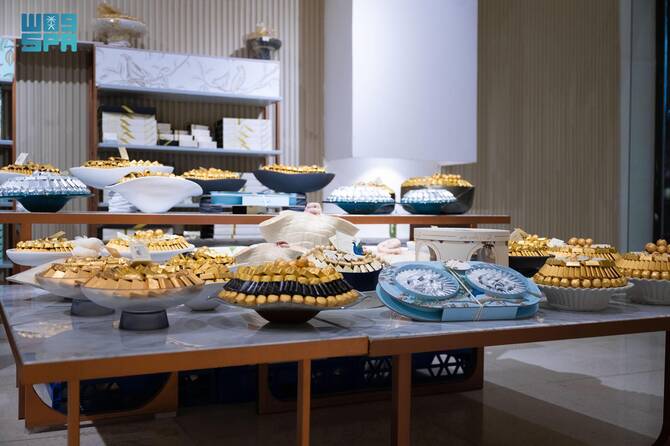
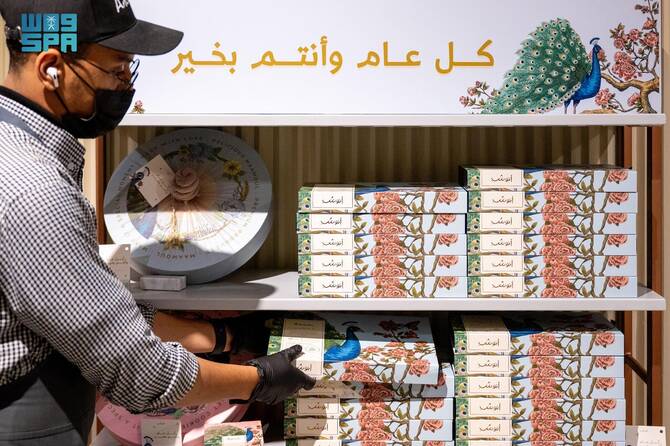
Shops are eager to offer a wide range of locally manufactured and imported sweets and chocolates. Consumers buy in large quantities, as chocolates are a key part of Eid celebrations.
Prices vary based on the type, origin, packaging and serving plates. Local sweets range from SR30 ($8) to SR150 per kg, including candies, toffee, biscuits and chocolates.
The authority attributed price stability to abundant production and low manufacturing costs, though imported sweets, especially from Europe and the East, are pricier. Pure or dark chocolate with special fillings can cost up to SR300 per kg.


![]()
![]()


Saudi chocolate imports hit 123m kg in 2024
Short Url
https://arab.news/jcgjv
Saudi chocolate imports hit 123m kg in 2024
- Consumers buy in large quantities, as chocolates are a key part of Eid celebrations
- Prices vary based on the type, origin, packaging and serving plates


Saudi crown prince hosts Egyptian president for iftar in Jeddah
RIYADH: Saudi Arabia’s Crown Prince Mohammed bin Salman hosted Egyptian President Abdel Fattah El-Sisi for iftar in Jeddah on Monday.


Latest updates


Recommended


© 2026 SAUDI RESEARCH & PUBLISHING COMPANY, All Rights Reserved And subject to Terms of Use Agreement.