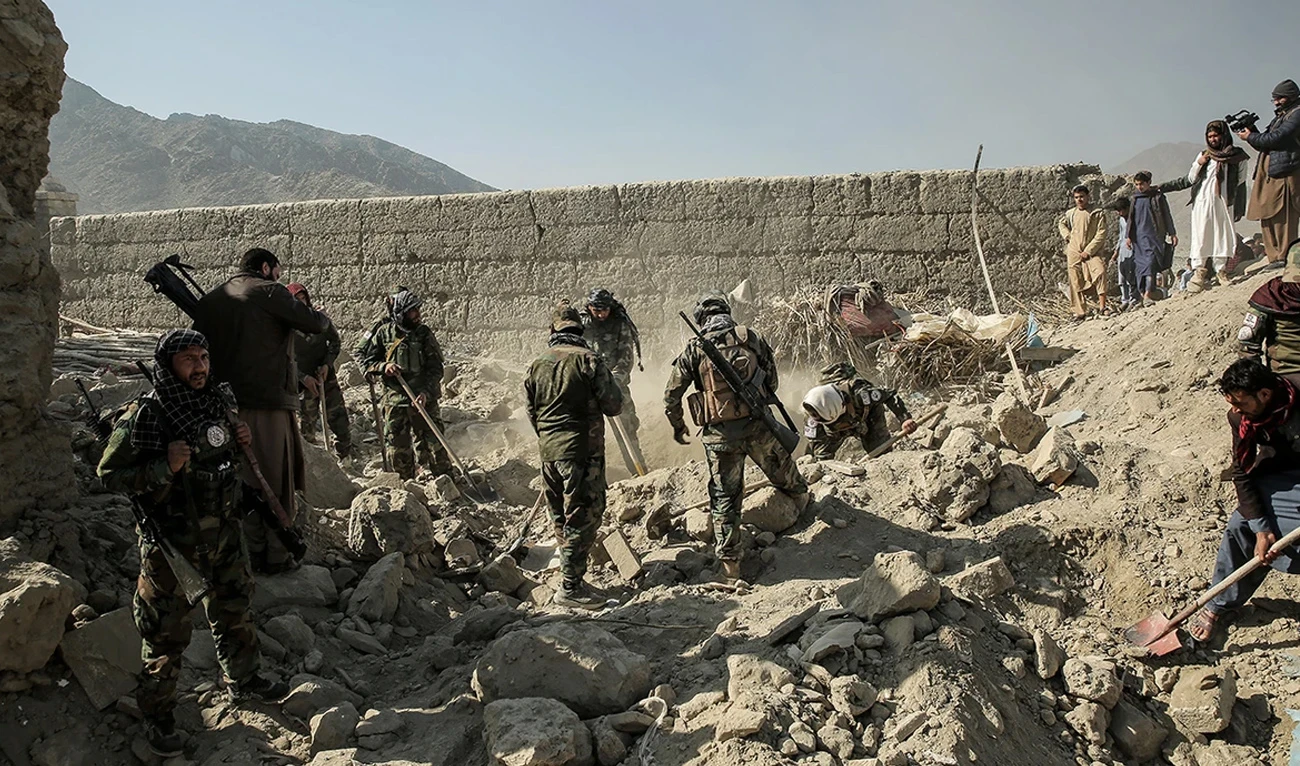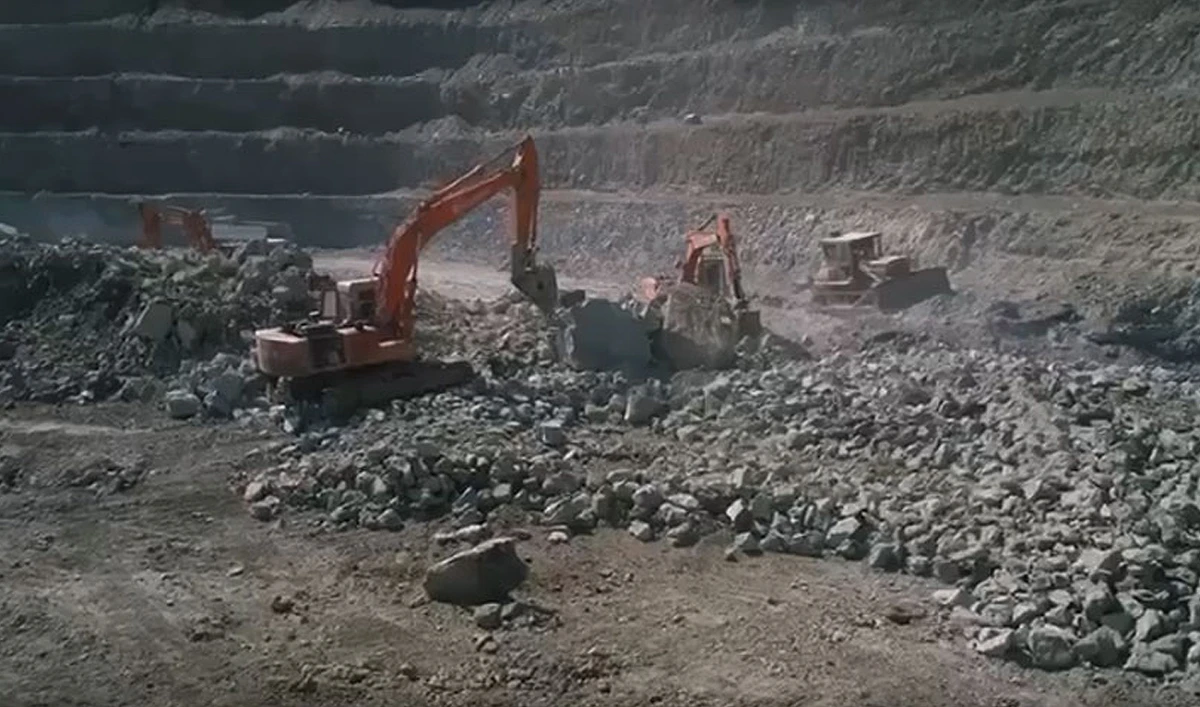
- Antimony can be used in military equipment such as infrared missiles, nuclear weapons and night vision goggles
- The announcement comes just days ahead of the Pakistan Minerals Investment Forum, aimed at attracting foreign businesses
KARACHI: Pakistan has discovered significant reserves of antimony, a critical metal traditionally used in batteries, semiconductors and flame retardants, in the mineral-rich southwestern province of Balochistan, the country’s Special Investment Facilitation Council (SIFC) said on Saturday.
The strategic significance of the discovery lies in its use in military equipment such as infrared missiles, nuclear weapons, night vision goggles and as a hardening agent for bullets and tanks. China is currently the largest producer of antimony in the world, though the discovery could also prove highly beneficial for Pakistan’s economy and defense sector.
“Significant antimony reserves have been discovered in Balochistan, and a comprehensive commercial plan has been developed by the Oil and Gas Development Company Limited (OGDCL) and the Pakistan Mineral Development Corporation (PMDC),” the SIFC statement informed.
“OGDCL and PMDC have entered into a 50:50 partnership, with the formal announcement of the joint venture expected during the Pakistan Minerals Investment Forum 2025 on April 8–9,” it added.
Pakistan has designated mining and minerals as a priority sector for national economic development, aiming to reduce its reliance on imports and enhance exports. The government has launched a series of reforms and events to attract local and international investment in the sector. The SIFC, a civil-military body established in 2023, serves as a one-window platform to streamline such investments and facilitate economic activity across key sectors.
According to the SIFC, Pakistan is also making headway in acquiring ten mineral blocks in Gilgit-Baltistan, where gold, copper, nickel and cobalt deposits have been confirmed.
In Punjab, coordination is underway between the OGDCL and the provincial mineral department to explore mineral deposits in Chiniot, where previous surveys have indicated iron, copper and gold potential.
Pakistan is also exploring the possibility of leveraging refining facilities in Oman to process extracted antimony, which would reduce local infrastructure constraints and accelerate the commercialization process.
To support the mining sector’s long-term growth, the SIFC said the government wants to align academic curricula with international standards and has committed to working with the Higher Education Commission (HEC) and local universities to produce a skilled workforce.
The announcements come just days ahead of the high-profile Pakistan Minerals Investment Forum 2025, where the government is expected to highlight the country’s mineral wealth and attract both domestic and international investors.