RIYADH: Mergers and acquisitions in Saudi Arabia recorded a 55 percent annual rise in 2024 as deal value hit $9.6 billion, fueled by foreign investors and key sector activity.
According to Marsh’s Transactional Risk Insurance report, 59 M&A transactions closed in the Kingdom, with 25 percent of deal activity concentrated in the industrial sector, 20 percent in technology, and 14 percent in consumer and retail — all areas aligned with the country’s Vision 2030 economic transformation strategy.
This helped to fuel an increase in transactional risk insurance across the Gulf Cooperation Council region, with demand climbing 78 percent, the analysis showed.
The robust M&A industry throughout the Middle East and North Africa in 2024 was in contrast to trends in other regions, with a report released by GlobalData in December showing such transactions — as well as those involving private equity and venture financing — recording an annual fall of 8.7 percent during the first 11 months of the year.
In an interview with Arab News, Luke Sutton, head of transactional risk for the Middle East and Africa at Marsh, said: “Foreign investors accounted for 32 percent of Saudi Arabia’s $9.6 billion in M&A activity, including several deals involving consortiums of local and international buyers.”
He added: “The most active non-Saudi acquirers were from the US, UAE, and UK, with 25 percent of inbound investment concentrated in tech, 15 percent business services, 15 percent industrials, 10 percent energy and natural resources, and 10 percent transportation.”
Across the wider GCC, inbound investment accounted for 25 percent of all insured M&A transactions, reflecting a growing presence of foreign buyers in regional dealmaking.
“Saudi Arabia is a market with very significant and well-hedged M&A potential; and government-sponsored capital expenditure is expected to bring opportunities to market as the country focuses on diversification,” Sutton said.
He also highlighted the effect of recent regulatory changes, noting that efforts to boost foreign direct investment have opened up Saudi Arabia to global buyers.
“Warranty and indemnity is a staple feature of M&A transactions in the US, Europe, and Asia. So it is natural that those buyers have imported this trend into the Saudi market,” he said.
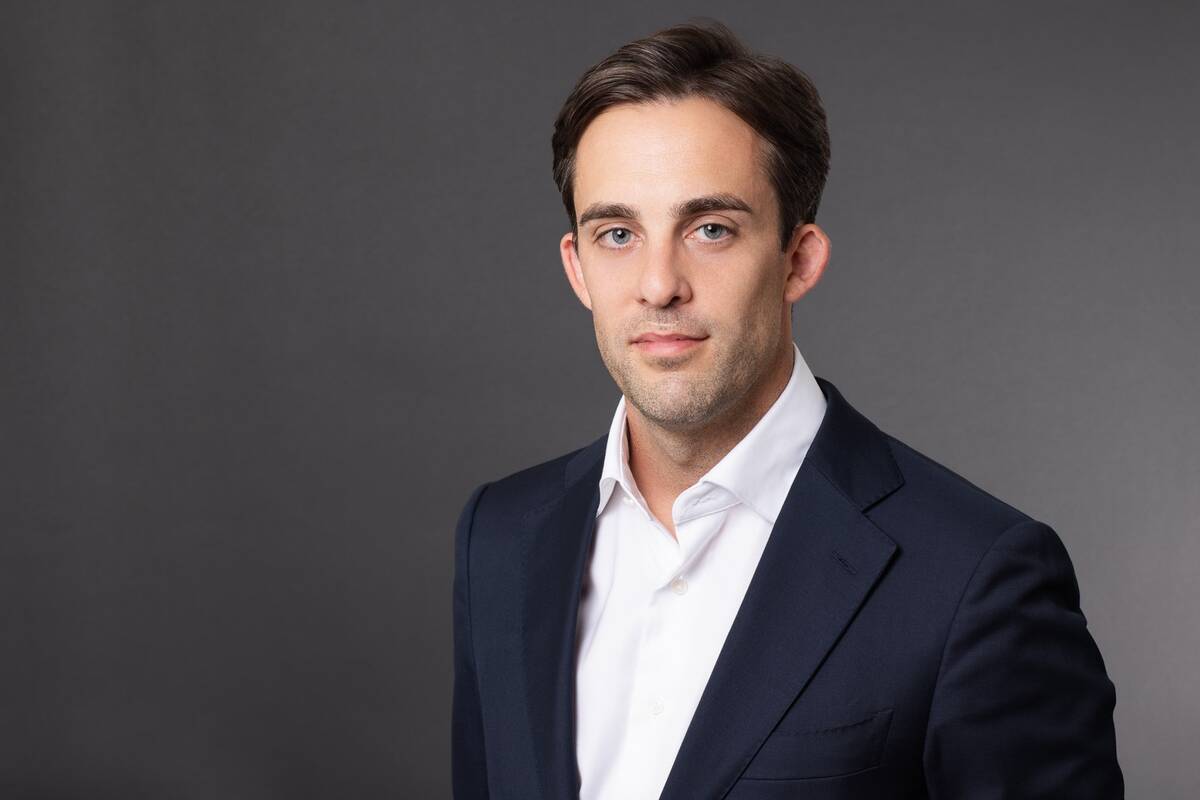
CaptionLuke Sutton, head of transactional risk for the Middle East and Africa at Marsh. Supplied
According to the expert, the Saudi Insurance Authority’s approval of W&I insurance for the Kingdom’s incorporated buyers is also expected to significantly increase domestic adoption.
Sutton said that transactional risk insurance not only reduces risk, but also plays a key role in expediting deal execution. By covering potential post-sale liabilities, W&I insurance allows parties to avoid lengthy negotiations over indemnities.
When asked if insurance helps speed up closure, he replied: “Yes — very significantly. Buyers and sellers — and their legal advisers — can focus on other facets of the transaction, knowing that the insurance market can back-stop seller representations and indemnities.”
According to Sutton, as Saudi Arabia pursues diversification, warranty and indemnity insurance is increasingly used to manage deal risks — giving buyers protection from hidden issues and sellers a clean, liability-free exit.
As part of Vision 2030, Saudi Arabia has made attracting foreign investment a national priority.
Reforms such as 100 percent foreign ownership in select sectors, streamlined licensing procedures, and a new law that places local and foreign companies under a unified regulatory framework are aimed at boosting the Kingdom’s global competitiveness and reducing its dependence on oil revenue.
The launch of special economic zones, privatization of state assets, and incentives for international companies to establish regional headquarters in Riyadh have all contributed to rising foreign direct investment flows.
Saudi Arabia is targeting an increase in annual FDI from $26 billion in 2023 to $100 billion by 2030. This openness has coincided with the region’s rise as a global investment hub, largely driven by sovereign wealth funds.
The Public Investment Fund, alongside other major Gulf sovereign wealth funds, is no longer just a passive investor, but a key player in cross-border M&A, frequently taking controlling stakes and co-leading big-ticket international transactions.
M&A insurance activity in the GCC
Marsh reported that it had placed more than $550 million in insurance capacity for insured transactions in Saudi Arabia and the UAE, representing a total deal value of $2.25 billion, with a median deal size of $450 million.
SWFs were instrumental in driving deal activity, according to the firm, with 2024 marking the highest level of global deal making by these organizations in more than a decade.
While insured deals still leaned toward the domestic, Marsh noted a growing shift. The investment mix is evolving toward a 50/50 split between domestic and inbound capital, fueled by international partnerships and increased foreign participation in strategic sectors.
The rising presence of private equity funds has also influenced the demand for risk insurance. Their focus on clean exits and post-deal protection has made W&I insurance an increasingly standard part of deal structuring.
“While historically many deals were completed without insurance due to limited insurer appetite and perceived high costs; in the last two years, there has been a significant increase in requests for quotes on deals within GCC,” said Nirav Modi, private equity and mergers and acquisition services practice leader at Marsh.
Regionally, while the total number of M&A deals in the Middle East and Africa fell 13 percent in 2024, deal value jumped 42 percent to $33 billion, as investors prioritized larger, more strategic transactions, according to the report.
Saudi Arabia played a major role in this growth, particularly through infrastructure and public-private partnership initiatives under Vision 2030.
These trends have been matched by a notable evolution in the region’s insurance landscape, as market capacity and competition have grown in response.
According to the report, the number of insurers underwriting deals rose from five in 2021 to nearly 15 in 2024, resulting in broader coverage options and a sharp decline in premiums. Marsh reported a mean premium rate of just over 1.3 percent, down more than 60 percent from three years ago.
Strategic sponsors, including SWF-backed corporates, made up 66 percent of insured buyers, highlighting the role of institutional investors in driving deal flow and relying on insurance to manage complex transactional risks.
As global M&A rebounds in 2025, Saudi Arabia is expected to remain a top destination for international capital, particularly in clean energy, logistics, digital infrastructure, and advanced manufacturing.
With continued regulatory support and a strong push for diversification, M&A insurance is poised to play a pivotal role in facilitating secure, high-value transactions across the Kingdom.