

Saudi Arabia’s coffee and tea culture: A Ramadan ‘love language’

1 / 7
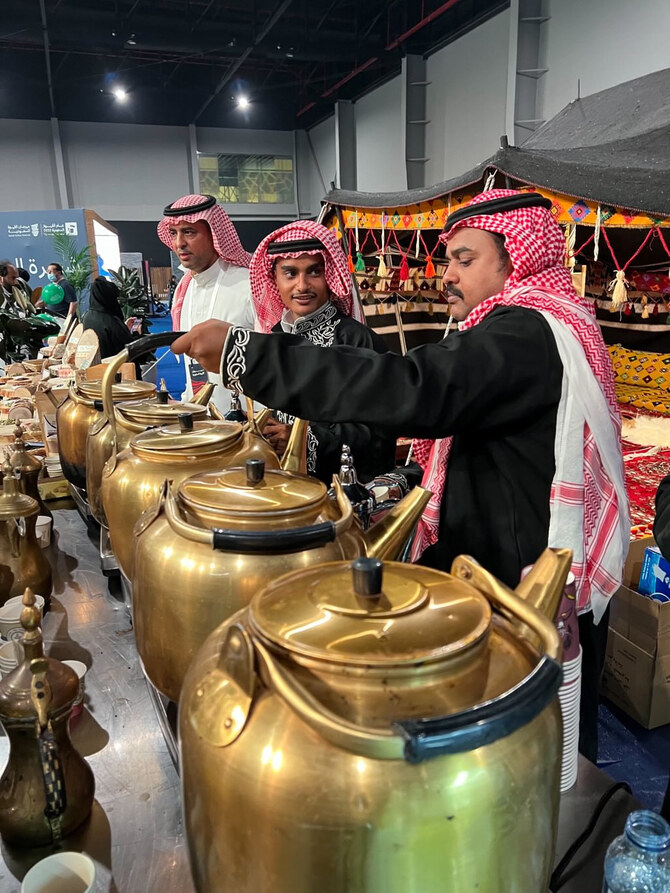
As the sun begins to set, families routinely prepare their two thermos kettles to marinate herbal and spiced flavors, ready to be enjoyed upon breaking the Ramadan fast. (Supplied)
2 / 7
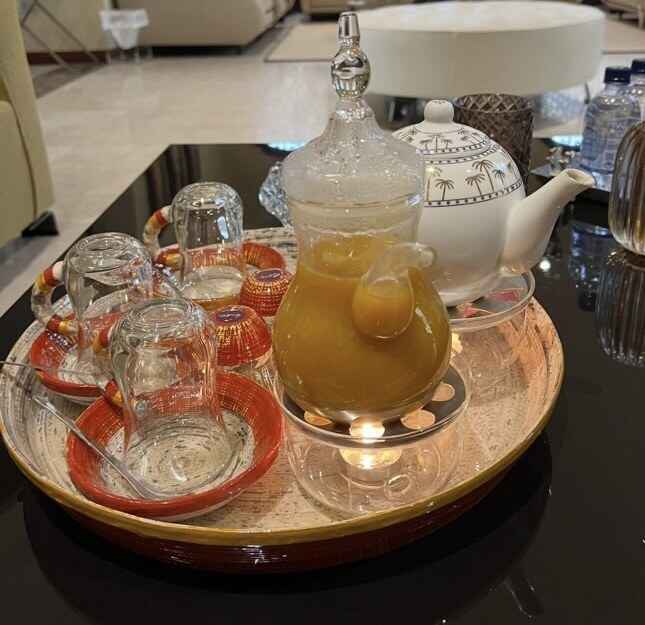
As the sun begins to set, families routinely prepare their two thermos kettles to marinate herbal and spiced flavors, ready to be enjoyed upon breaking the Ramadan fast. (Supplied)
3 / 7
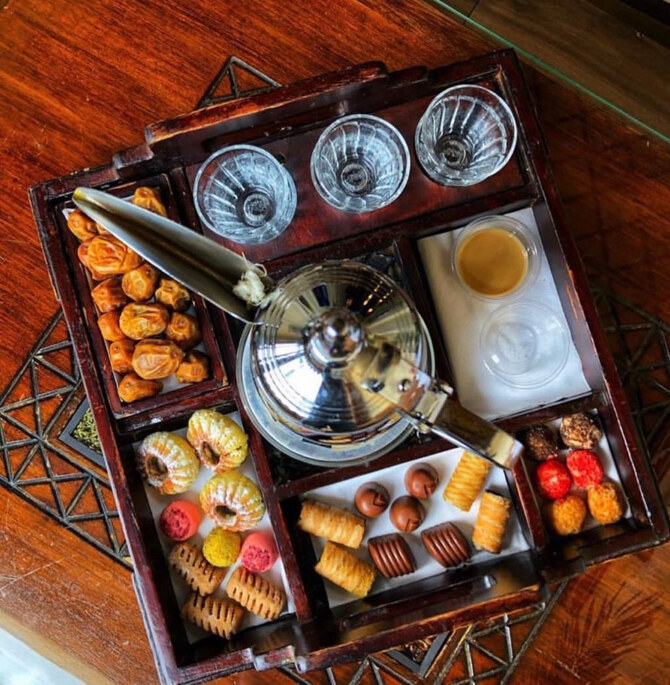
As the sun begins to set, families routinely prepare their two thermos kettles to marinate herbal and spiced flavors, ready to be enjoyed upon breaking the Ramadan fast. (Supplied)
4 / 7
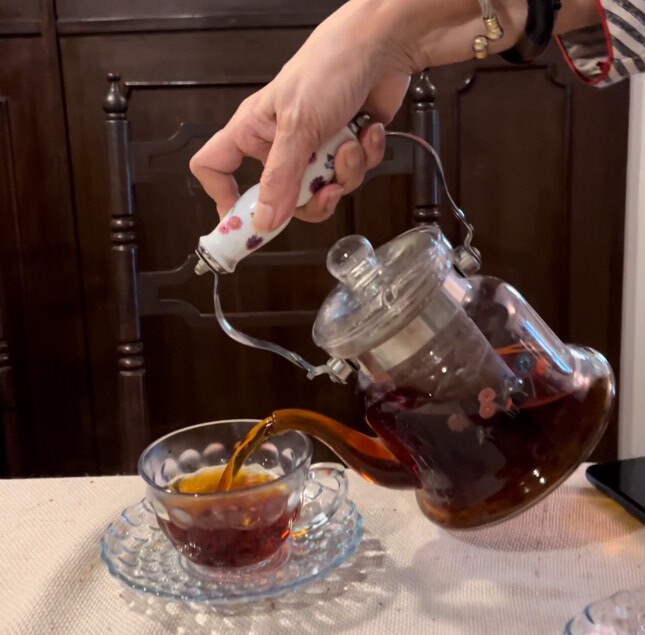
As the sun begins to set, families routinely prepare their two thermos kettles to marinate herbal and spiced flavors, ready to be enjoyed upon breaking the Ramadan fast. (Supplied)
5 / 7
As the sun begins to set, families routinely prepare their two thermos kettles to marinate herbal and spiced flavors, ready to be enjoyed upon breaking the Ramadan fast. (Supplied)
6 / 7
As the sun begins to set, families routinely prepare their two thermos kettles to marinate herbal and spiced flavors, ready to be enjoyed upon breaking the Ramadan fast. (Supplied)
7 / 7
As the sun begins to set, families routinely prepare their two thermos kettles to marinate herbal and spiced flavors, ready to be enjoyed upon breaking the Ramadan fast. (Supplied)
Short Url
Updated 24 March 2025
Follow

Saudi Arabia’s coffee and tea culture: A Ramadan ‘love language’

  • Hot beverages bring together families and provide much-needed caffeine kick after breaking Ramadan fast
  • Herb and spice-infused coffee considered emblematic of Saudi hospitality

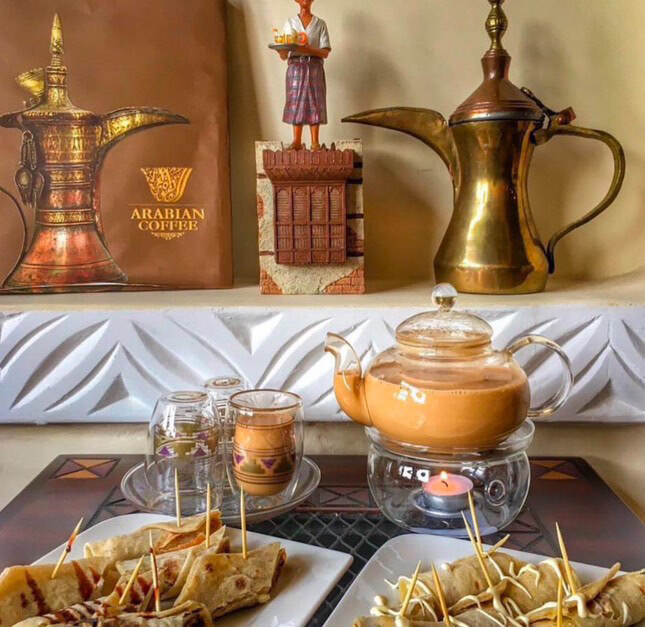
RIYADH: As the sun begins to set, families routinely prepare their two thermos kettles to marinate herbal and spiced flavors, ready to be enjoyed upon breaking the Ramadan fast.

The tall thermos typically contains rich red or black tea. The shorter thermos will hold the iconic cardamom-infused Arabic coffee; a well-known beverage associated with Saudi hospitality. Surrounding the caffeinated beverages sit the cups, saucers, dates and desserts.

As worshippers fast, their days turn into nights, requiring caffeinated beverages to boost their spirits. Coffee shops are alive in the evening, swarming with customers looking for their next cup of joe.

Public relations specialist, Aisha Al-Wattar, told Arab News that caffeinated beverages are a big part of Saudi culture, and during Ramadan are considered symbols of bringing loved ones together.

“I really love how it is a social cue. It’s a love language for a lot of people. When you say ‘let us go get coffee together after Taraweeh,’ it’s such an intimate thing.”

After having water and dates to break their fast, Al-Wattar and her family have made it a ritual to follow up with a cup of coffee.

“You have your Qahwa arabi (Arabic coffee) and your dates, I can’t think of one or the other by itself. Specifically, during Ramadan, besides providing that kick of energy and hyperness after we break out fast that gives us the jolt of happiness and serotonin, it is also about bringing us together.”

Saudi coffee is made by roasting coffee beans until they are golden brown. The coffee is then boiled and served as a dark, unfiltered drink. Spices such as saffron, cardamom and cloves are also added to the boiled coffee for flavor and richness.

As a coffee and tea connoisseur, Al-Wattar finds herself indulging in more caffeinated beverages throughout the holy month.

“Later on, after Taraweeh, I will have my iced coffee or americano because the night is still young in Ramadan here, which I love. In Saudi, the day is flipped so you could possibly have as many cups of coffee as you want to at night. However, refrain due to the fact that you could get dehydrated.”

Saudi designer, Qamar Ahmed, finds herself consuming less coffee during Ramadan, highlighting that the essence of fasting is to test one’s habits.

“They play a major role as it’s something we usually start our day with and the lack of it makes the start of your fasting a challenge. To go through the day without it also tests one’s ability to function without the stimulants. No morning that doesn’t start without a strong cup of brewed tea. Afternoon tea at four with bites is also a tradition that brings the family together.

“It’s calming after Salah to go out with friends and family to relax and unwind with a good strong coffee or tea.”


Ithra will bring Spain to life for 2-week cultural celebration

Updated 08 January 2026
Follow

Ithra will bring Spain to life for 2-week cultural celebration

  • Ithra Cultural Days will unfold across the plaza, museum, theater, lush garden, library, idea lab, cinema, children’s museum, energy exhibit and Ithra tower

DHAHRAN: Visitors to the King Abdulaziz Center for World Culture (Ithra) can enjoy a taste of Spanish culture from Jan. 12-31.

Under the banner “Live Spain,” spaces at Ithra will be transformed to give a glimpse of life in this vibrant European country.

Ithra Cultural Days will unfold across the plaza, museum, theater, lush garden, library, idea lab, cinema, children’s museum, energy exhibit and Ithra tower, with exhibitions dedicated to Spanish photography, fashion and sports. There will also be Spanish cuisine and interactive installations exploring historical and linguistic connections between Arab and Spanish traditions.

There will be live performances across various stages, with a production of “Carmen” among the highlights.

“Cultural exchange is a core part of Ithra’s approach to programming. Celebrating Spain’s culture and history reflects this focus, particularly as this year’s Cultural Days take on a distinctive character by exploring Spain’s cultural heritage,” Noura Alzamil, program manager at Ithra, said.

“Visitors to Ithra will experience an exciting program in every sense, given the scale and variety of events designed to appeal to all tastes and interests.”

Cinema showings will feature Spanish short and feature films, accompanied by post-screening discussions to provide additional cultural context, while talks and sessions in the idea lab and library will explore architecture, literature and creative practice.

Hands-on workshops will invite visitors to engage directly with Spanish crafts and creative traditions, from visual arts and design to food-related practices.

A dedicated program for children and youth will run alongside with storytelling, creative workshops and performances among the attractions. Food and market experiences in Ithra’s public spaces will reflect the important social role played in the country by food.

Ithra Cultural Days present international cultures through immersive, public-facing experiences. This year’s focus on Spain follows the success of last year’s Japan edition, which welcomed more than 200,000 visitors in just two weeks.