

RIYADH: Riyadh’s cultural landscape is undergoing a quiet transformation, where the love of coffee meets the timeless allure of literature.
Book cafes are carving out a niche as spaces where readers, thinkers, and coffee enthusiasts converge.
These havens of creativity and reflection offer retreats for the mind and soul, providing a sense of community in an increasingly fast-paced world.
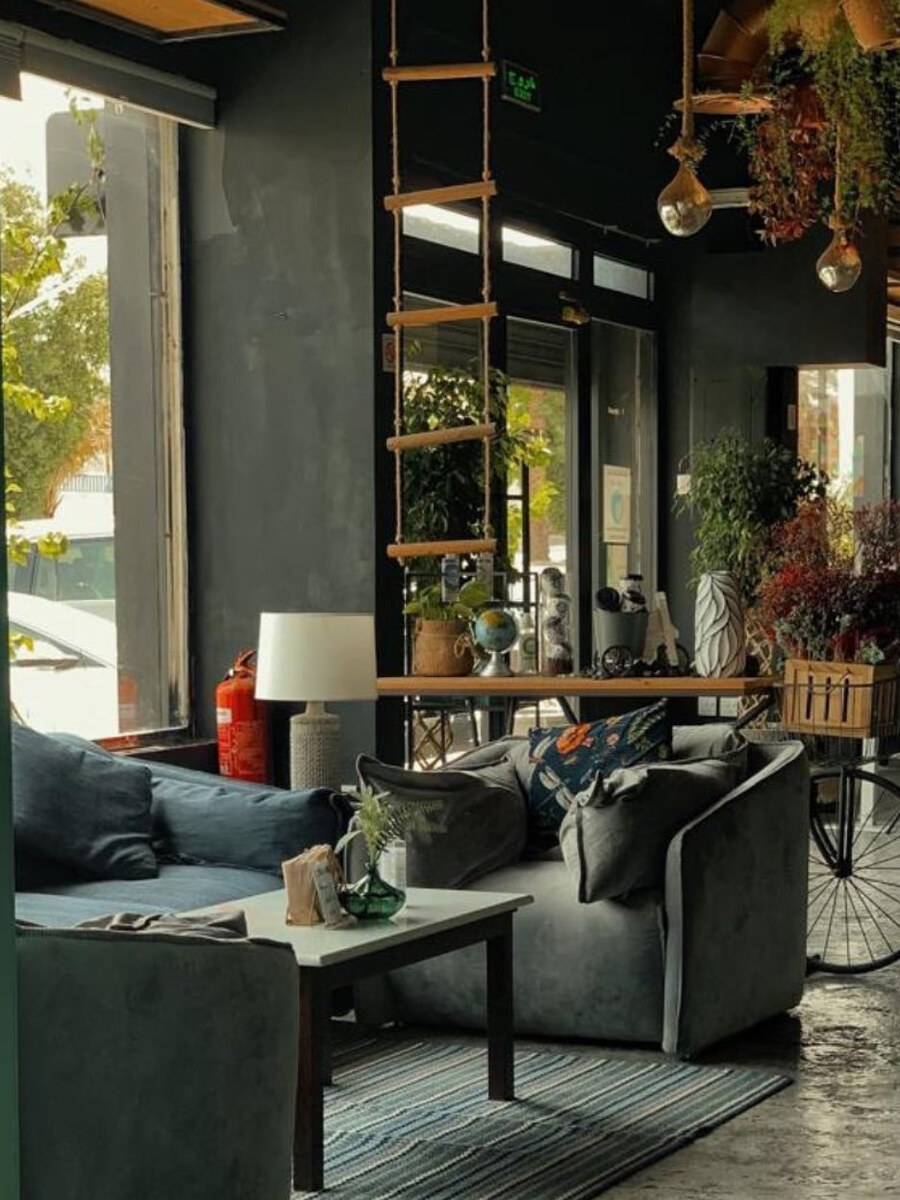
A cozy nook where greenery and natural decor invite visitors to unwind with a good book. (Instagram: @coffee_trees20)
The Book Club: Where stories find their home
Nestled in the Al-Yasmin district, The Book Club is a tranquil retreat for bibliophiles, particularly those passionate about Arabic literature.
Its shelves brim with carefully curated Arabic titles, from classics to contemporary gems, complemented by a modest selection of English books.
HIGHLIGHTS
• In Riyadh’s Al-Narjis district, Wathbah Coffee and Book’s floor-to-ceiling bookshelves, vintage-inspired decor, and intimate corners create a haven for readers and thinkers alike.
• Coffee Trees, tucked away in the Al-Rayan district, offers a sanctuary that blends greenery with literary charm.
The minimalist interior, adorned with soft lighting and intimate reading nooks, creates an atmosphere conducive to focus and relaxation.
What sets The Book Club apart is its browsing policy. Visitors are welcome to skim books for three minutes before deciding to purchase, with additional purchases granting extended reading time.
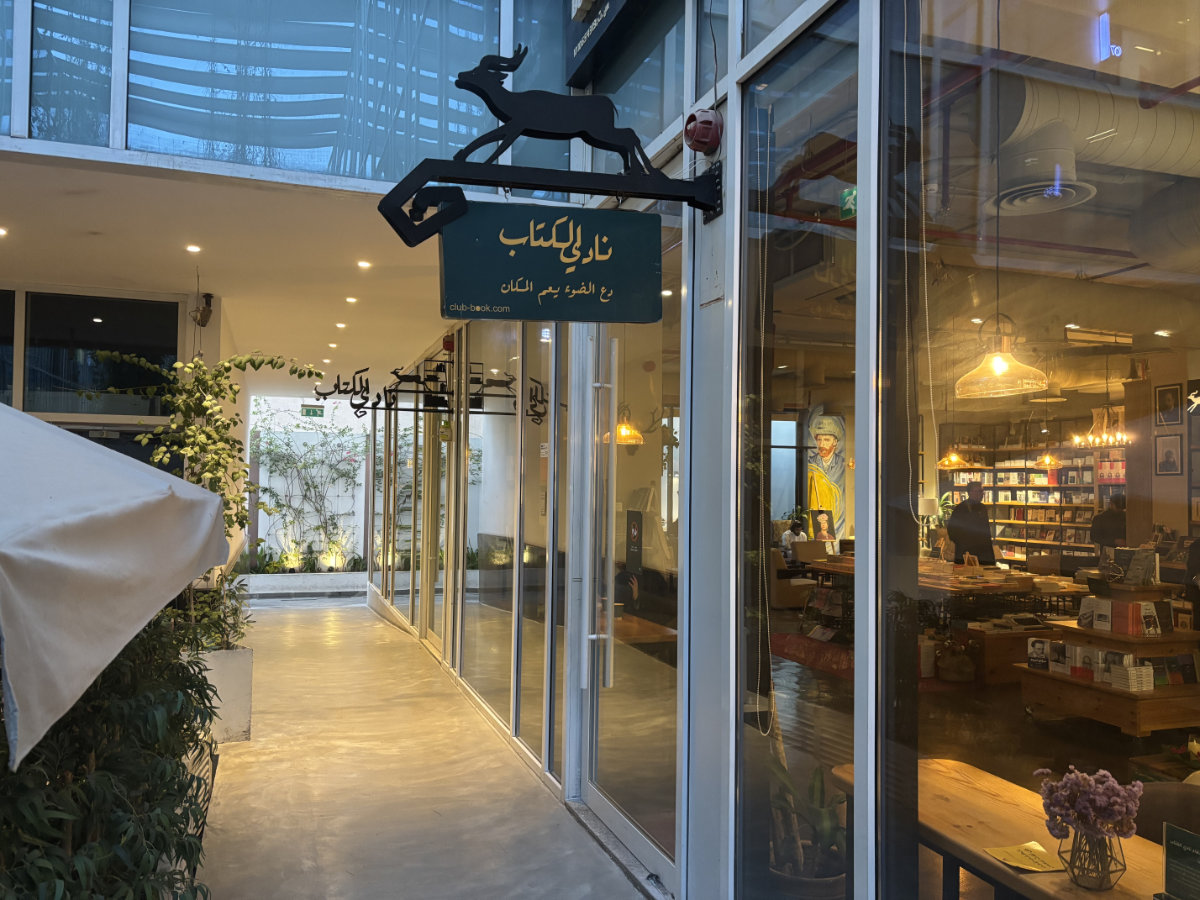
A serene entrance invites book lovers and coffee enthusiasts to step into a world of stories and community at The Book Club. This Riyadh gem blends literature with culture. (AN photo by Waad Hussain)
During Arab News’ visit, the cafe hosted a stimulating talk with Saad Al-Bazai, titled, “Historical Fiction: Why Do They Believe in the Imagined?”
Al-Bazai told Arab News: “These gatherings bring together a diverse audience and provide them with the opportunity to meet researchers.
“This undoubtedly supports cultural life as it creates a platform for dialogue that differs from social media platforms — it is vibrant, direct, and involves personal presence.”
Sophia: A library, a cafe, and a place to connect
Sophia has become a cornerstone of Riyadh’s literary scene, acting as a hub for knowledge, creativity, and meaningful connections.
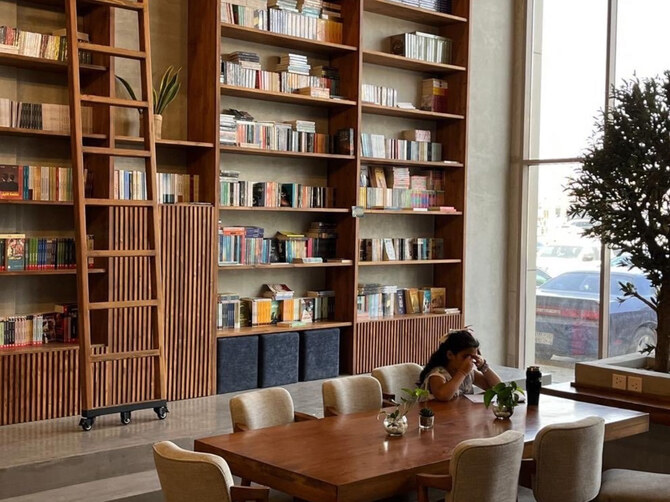
Its towering wooden shelves are filled with a rich collection of Arabic and English books, carefully curated to cater to a diverse audience.
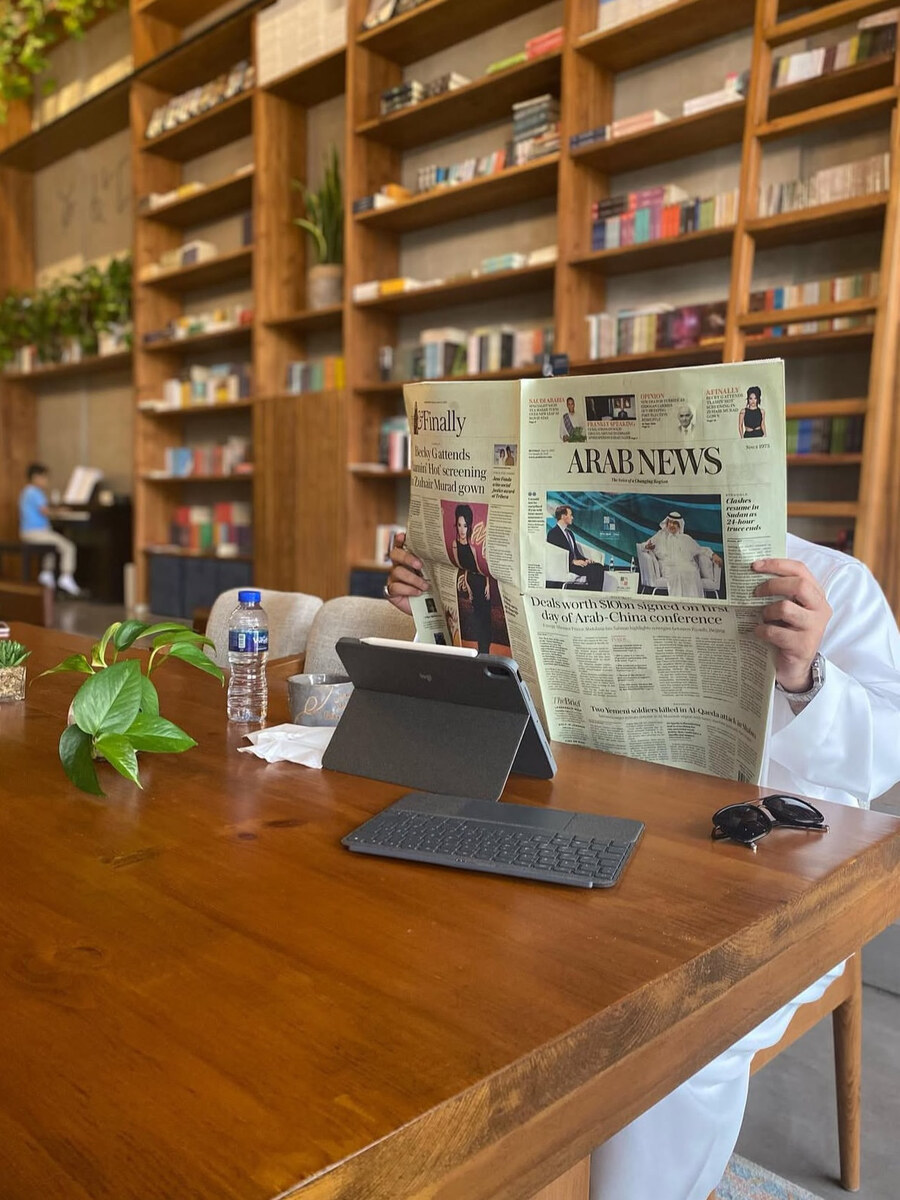
Sophia blends intellect and leisure, offering visitors a serene space to read and reflect. (Instagram: @sophia.alriyadh)
Beyond being a library, Sophia also serves as a publishing house, amplifying the voices of local and regional authors, bringing their stories to the forefront.
What sets Sophia apart is its dedication to fostering intellectual growth and cultural exchange.
The space regularly hosts book launches, discussion panels, and thought-provoking dialogue sessions that bring together writers, readers, and thinkers from various backgrounds.
The inviting ambiance, complete with warm lighting and cozy seating, creates the perfect backdrop for these events, making each visit an enriching experience.
Aminah Al-Hassani, a loyal visitor, captured the essence of Sophia. She said: “The place is calm and serene, and it has never let me down with a bad book.
“Every book I’ve read here has been better than the last. Their selections are beautiful, and the events they organize are always beneficial and enjoyable.”
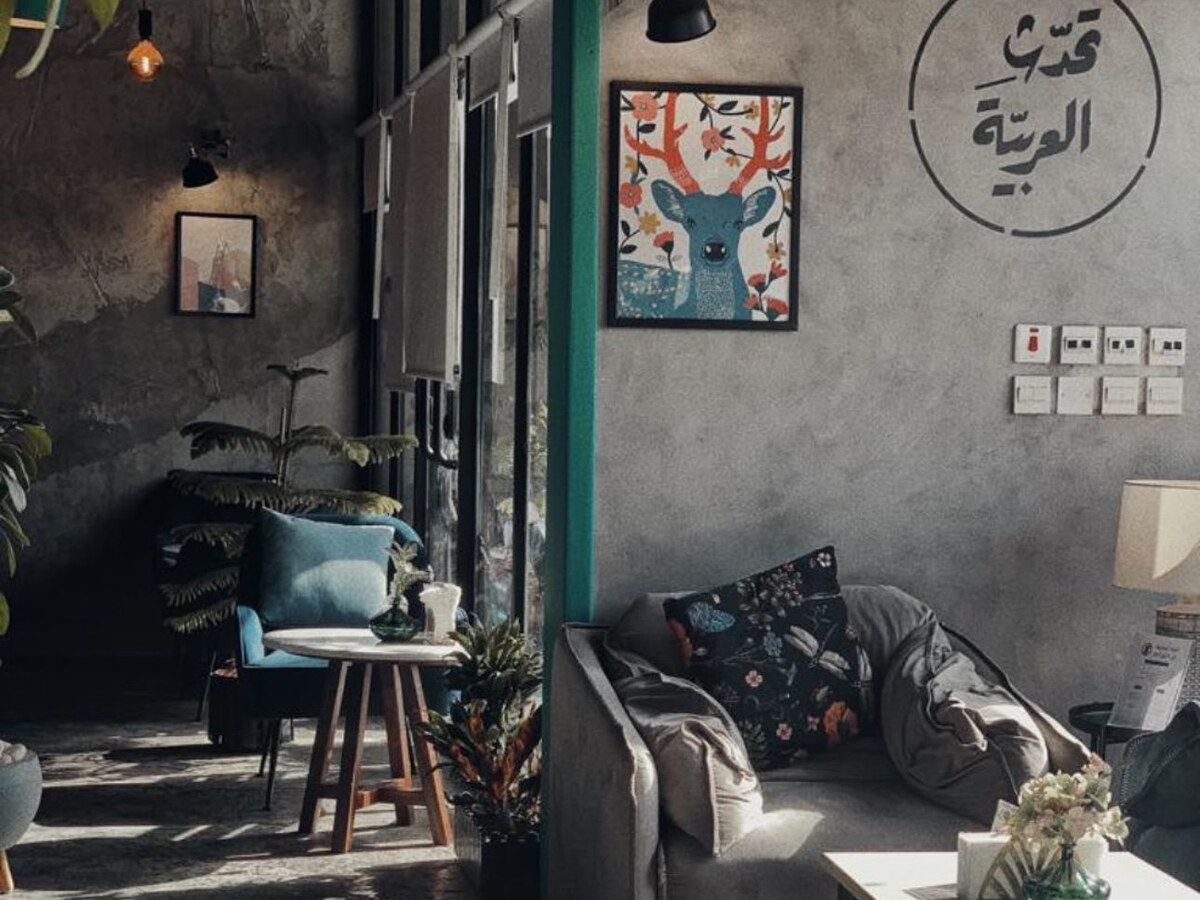
The calming ambiance of Coffee Trees, a perfect escape to enjoy ethically sourced coffee and literary treasures. (Instagram: @coffee_trees20)
Coffee Trees: A green sanctuary
Coffee Trees, tucked away in the Al-Rayan district, offers a sanctuary that blends greenery with literary charm. The cafe’s lush decor, accentuated by vibrant plants and natural elements, transforms the space into a botanical retreat.
Though its library is modest, the curated selection of books is perfectly aligned with the cafe’s serene ambiance.
Patrons often find themselves lost in thought or pages, surrounded by the aroma of ethically sourced, expertly brewed coffee.
Whether it’s the tranquil environment or the commitment to sustainability, Coffee Trees is a favorite escape for those seeking a moment of calm in the city.
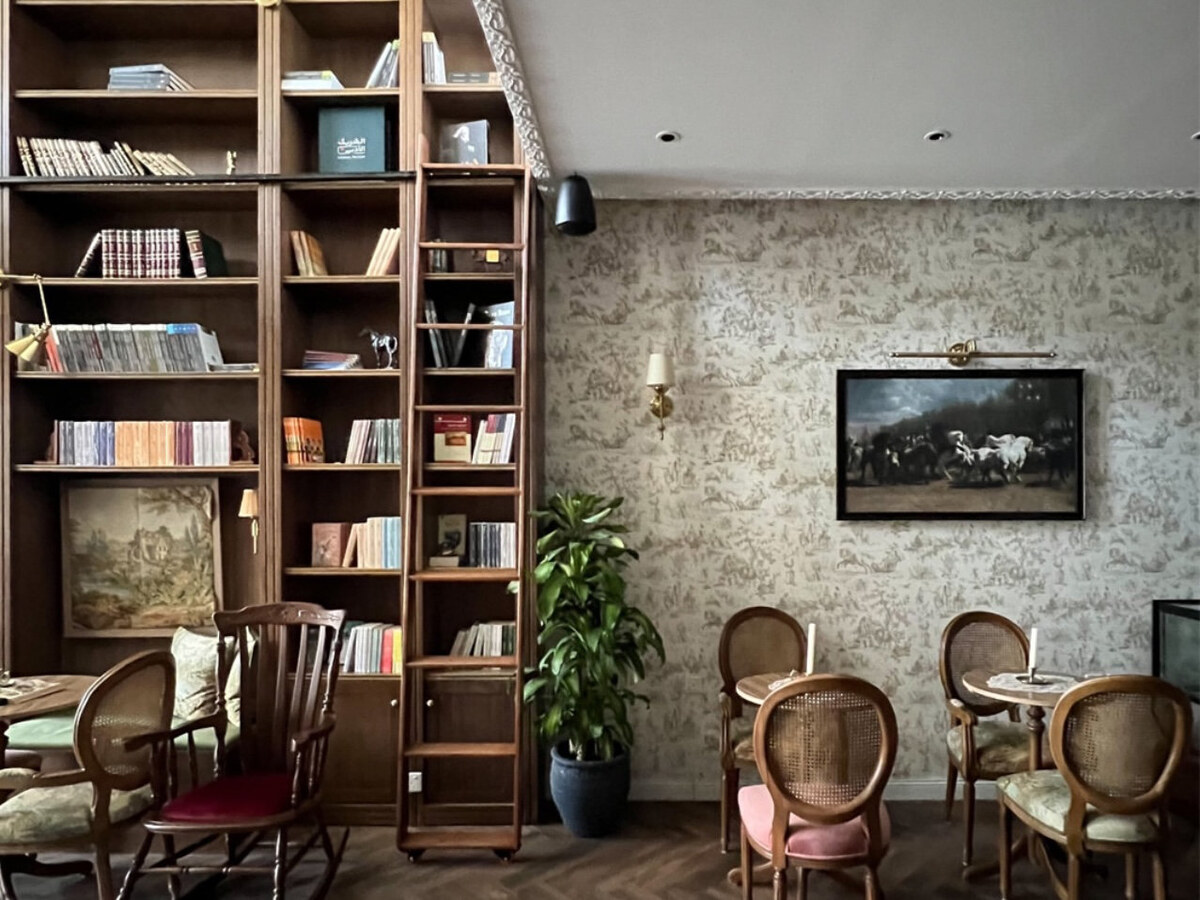
The timeless charm of Wathbah, with its floor-to-ceiling bookshelves and vintage-inspired decor. (Instagram: @wathbah_cb)
Wathbah Coffee & Book: Where timeless charm meets literature
In Al-Narjis district, Wathbah Coffee & Book exudes intellectual allure. Its floor-to-ceiling bookshelves, vintage-inspired decor, and intimate corners create a haven for readers and thinkers alike.
The carefully selected collection spans genres and eras, ensuring there’s something for everyone.
Wathbah’s ambiance is perfect for quiet reading, reflective conversations, or simply soaking in its aesthetic beauty.
As Sara Al-Ebraheem, a loyal patron, said: “There’s a certain magic in time spent in the company of good books, with a perfectly brewed coffee.”
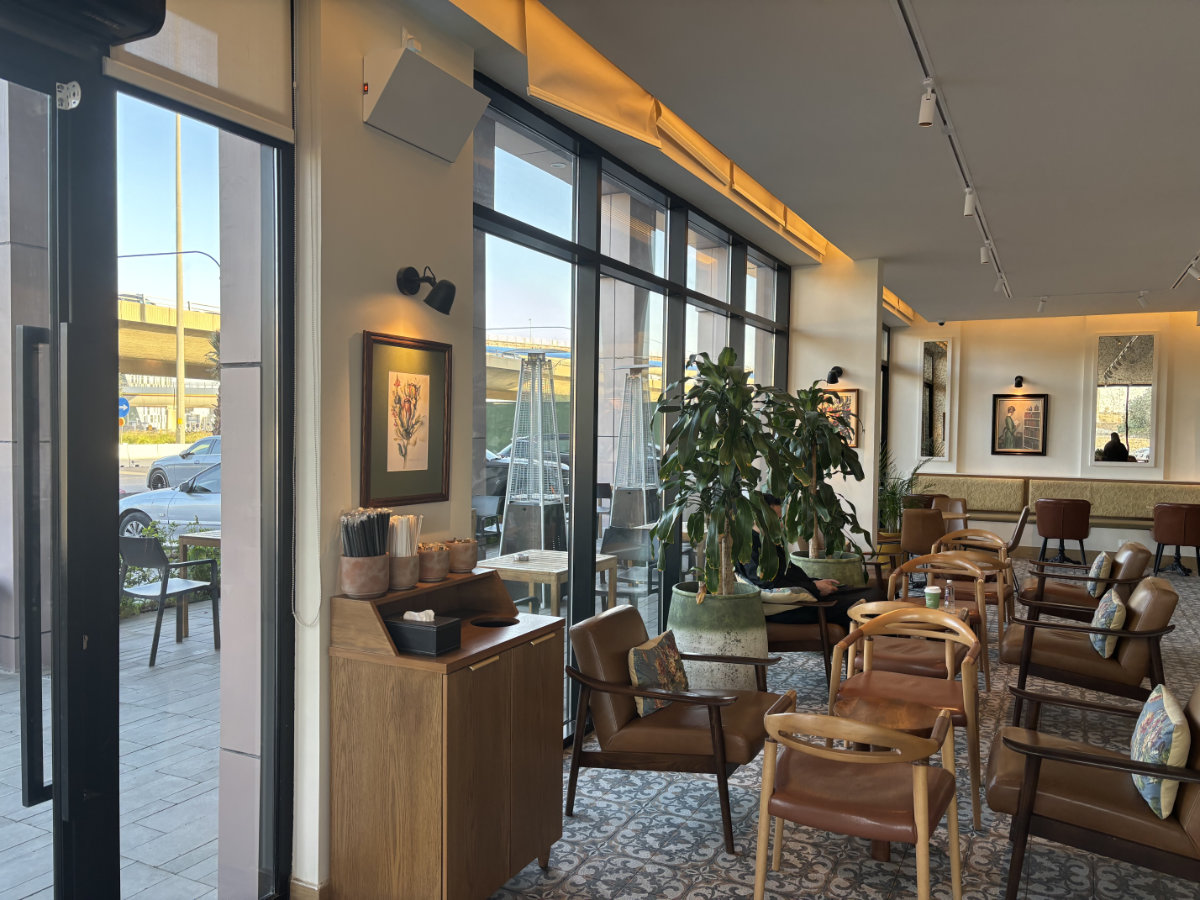
The warm, minimalist interior of Ons, perfect for a quiet read or reflective moments away from the city’s buzz. (AN photo by Waad Hussain)
Ons Coffee Roasters: Where simplicity meets serenity
Ons Coffee Roasters offers a minimalist haven for those who crave peace and simplicity. Its clean design, complemented by tasteful art and cozy seating, creates a calm environment perfect for unwinding.
While its library may be small, the books displayed are thoughtfully chosen to inspire reflection and curiosity.
Ons Coffee Roasters is as much about quality as it is about serenity. Its expertly brewed coffee elevates the experience, making it an ideal retreat for anyone seeking a quiet corner in Riyadh.
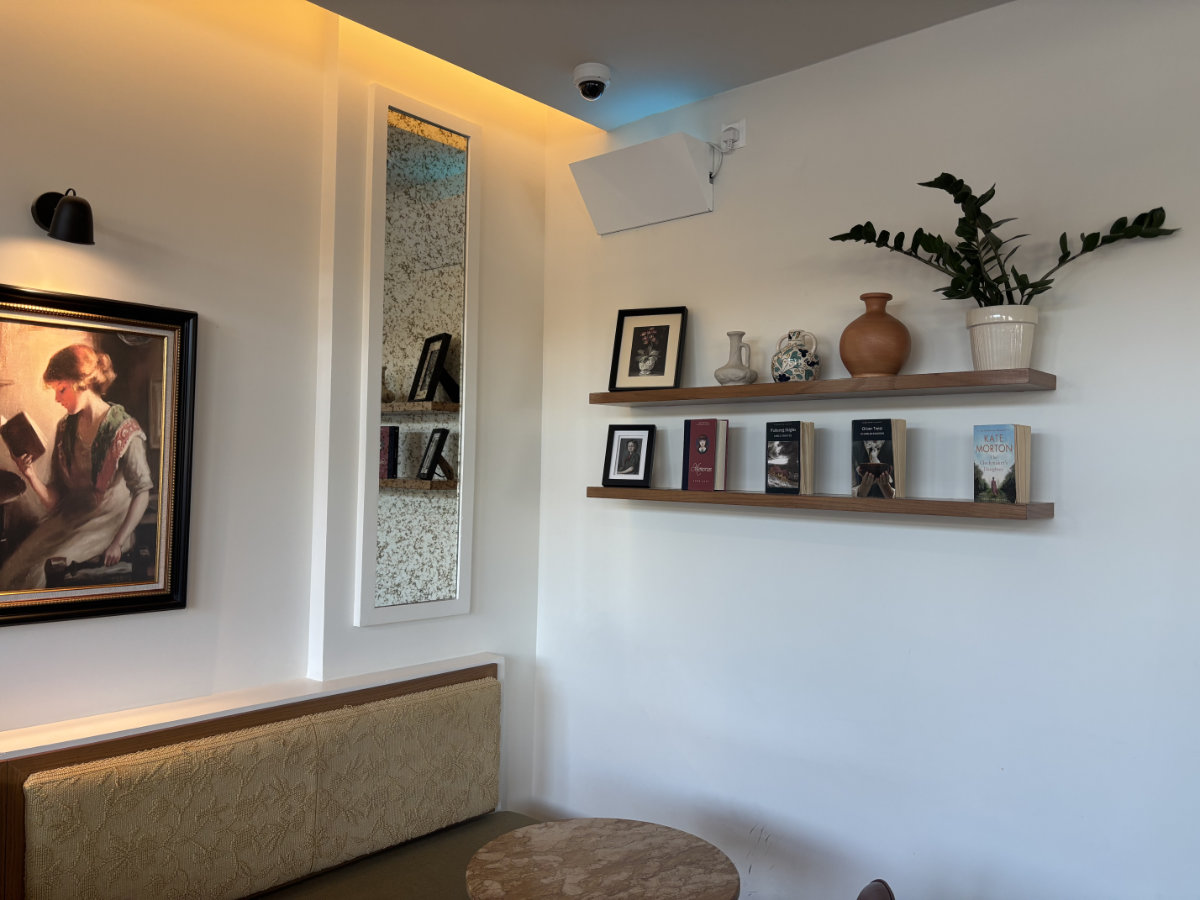
Ons’s small literary touch: A charming collection of books graces the walls of Ons, where simplicity meets creativity in every corner. (AN photo by Waad Hussain)
A cultural renaissance in Riyadh
The emerging popularity of book cafes is providing spaces where literature, art, and community thrive. The cafes cater to a growing audience of residents and visitors who value meaningful connections in an increasingly digital world.