- The iftar table featured a variety of traditional Pakistani dishes, including pakoras, samosas, haleem, and dahi bhalla, alongside Rooh Afza, a drink often enjoyed during Ramadan
JEDDAH: The Pakistani community in Jeddah organized its annual iftar gathering this week, bringing together a large number of residents along with representatives from the Pakistani Consulate.
The initiative strengthens community ties, upholds the shared values of Ramadan, and enhances the spiritual essence of the holy month, Saudi Press Agency reported, with heartwarming scenes of unity, brotherhood, and camaraderie among attendees.
The iftar table featured a variety of traditional Pakistani dishes, including pakoras, samosas, haleem, and dahi bhalla, alongside Rooh Afza, a drink often enjoyed during Ramadan. Traditional sweets, symbolizing Pakistani hospitality, were also part of the feast.
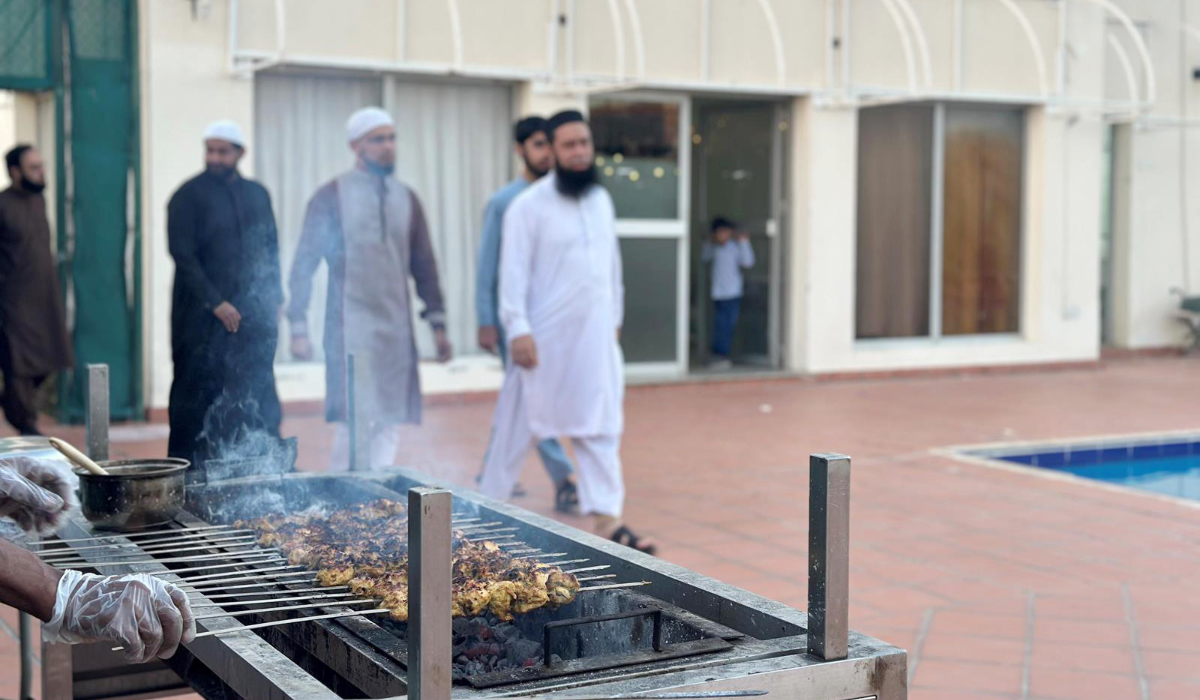
Guests embraced their cultural heritage by wearing traditional Pakistani attire. Men donned the shalwar kameez, a customary outfit for religious and social occasions, while women wore vibrant, intricately embroidered garments, adding a cultural charm that reflected their pride in their traditions.
Muhammad Irfan, press counselor at the Pakistani Consulate, highlighted the significance of such gatherings in fostering unity and strengthening the bond among community members.
He expressed his joy at witnessing the spirit of brotherhood and solidarity that Ramadan promotes.

“As you see, Pakistan has a huge community in Jeddah and the western region,” he told SPA. “Saudi Arabia is a second home for all of us.”
He emphasized how celebrating Ramadan in Saudi Arabia brings an added spiritual experience: “It just feels like home. So we don't feel much of a difference, rather it brings a more elevated spiritual experience, especially being close to the Haram.”
His wife, Rubina Irfan, also spoke about the communal aspect of Ramadan in the Kingdom.
We prepare for Ramadan here the same way we do in Pakistan. As a community, Ramadan is really enjoyable in Saudi Arabia.
Rubina Irfan
“We prepare for Ramadan here the same way we do in Pakistan. As a community, Ramadan is really enjoyable in Saudi Arabia. Here, we go for Taraweeh together, share food, and see each other,” she said.
She also stressed the importance of traditional Pakistani dishes during Iftar. “We cannot do Iftar without pakoras, samosas, rolls, and dahi bhalay. These are the traditional Pakistani foods,” Rubina explained.
“In water, we mix fruit syrup and sugar — it’s called Rooh Afza water, and everybody loves it because it gives you energy.”
Tahir Ayoub, the coordinator of the Pakistani community gatherings, described the distinct experience of observing Ramadan in Saudi Arabia: “Ramadan in Saudi Arabia is an entirely different experience. Specifically, the last ten days, with Qiyamul-Layl (late night prayers) and other spiritual gatherings, are truly marvelous.”
He concluded by expressing how remarkable Ramadan in Saudi Arabia feels compared to other places: “It’s an incredible experience, and whenever I return to Pakistan, I always say that nowhere in the world is Ramadan like it is in Saudi Arabia.”