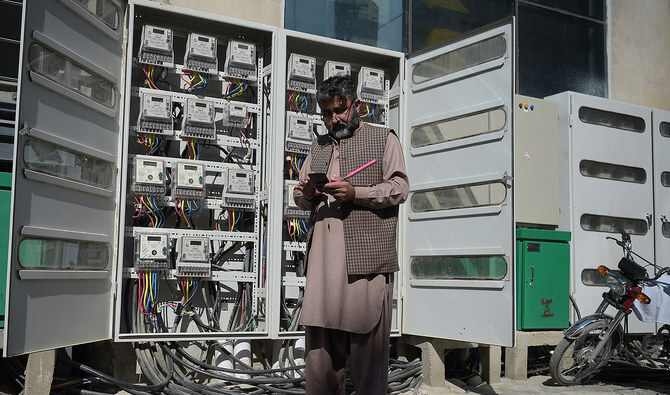
ISLAMABAD: Pakistan’s national power regulator has cut the prices of electricity by Rs2.12 per unit on account of fuel adjustment charges, it said on Thursday.
The National Electric Power Regulatory Authority (NEPRA) has to make adjustments in the power tariff on account of any variations in fuel charges on a monthly basis.
The reduction in electricity prices followed a request by the Central Power Purchasing Agency (CPPA), which had worked out the fuel cost for the month of January.
“The authority... has reviewed and assessed a National Average Uniform decrease of (Rs2.1240/kWh) in the applicable tariff for XWDISCOs on account of variations in the fuel charges for January 2025,” NEPRA said in a notification issued late Thursday.
“XWDISCOs (distribution companies) shall reflect the fuel charges adjustment in respect of January 2025 in the billing month of March 2025.”
The development comes more than a week after Pakistan’s Power Minister Awais Leghari announced a reduction in power tariff for households consuming up to 300 units of electricity and those using agricultural tube-wells.
“By waiving these charges for low-usage consumers and agricultural tube-wells, the government aims to ease the financial burden on farmers and households with limited electricity consumption,” Leghari was quoted as saying by the state-run APP news agency.
Pakistan produces expensive electricity due to a combination of factors including high reliance on imported fossil fuels, inefficient energy mix, substantial transmission and distribution losses and chronic issues like circular debt and regulatory inefficiencies.
The country’s outdated infrastructure and inadequate power plants further exacerbate costs, while underutilization of domestic resources such as hydropower and coal add to the problem.
Additionally, fluctuations in foreign exchange rates and complex tariff structures contribute to higher electricity prices. High power cost is one of the key factors that lead to inflation in the country.


![]()

Pakistan power regulator cuts tariff on account of fuel price adjustment
Short Url
https://arab.news/2792h
Pakistan power regulator cuts tariff on account of fuel price adjustment
- The National Electric Power Regulatory Authority makes adjustments in power tariff on account of any variations in fuel charges on a monthly basis
- The South Asian country produces electricity with the help of imported fossil fuels, amid underutilization of domestic resources like hydropower, coal
Latest updates




Recommended


© 2026 SAUDI RESEARCH & PUBLISHING COMPANY, All Rights Reserved And subject to Terms of Use Agreement.