

Saudi artist’s ‘Tafawut’ exhibition showcases harmony between art and architecture 

1 / 6
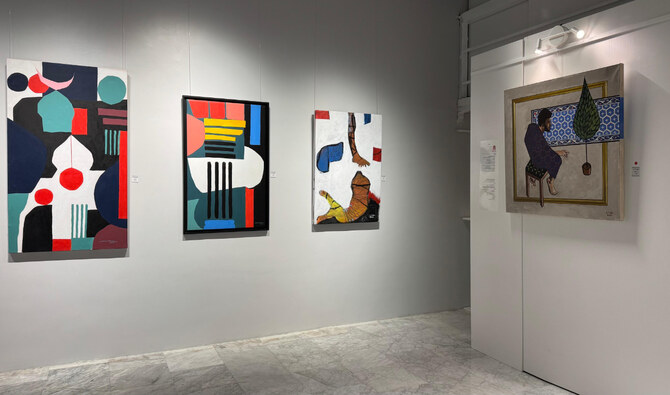
With a background in interior design and architecture, Al-Amir creates spaces that blend functionality with artistic expression, transforming each project into an exciting adventure. (AN Photo by Hind AlKhunaizi)
2 / 6
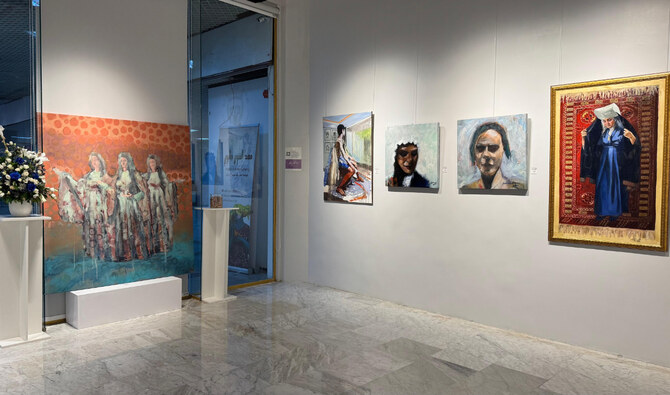
With a background in interior design and architecture, Al-Amir creates spaces that blend functionality with artistic expression, transforming each project into an exciting adventure. (AN Photo by Hind AlKhunaizi)
3 / 6
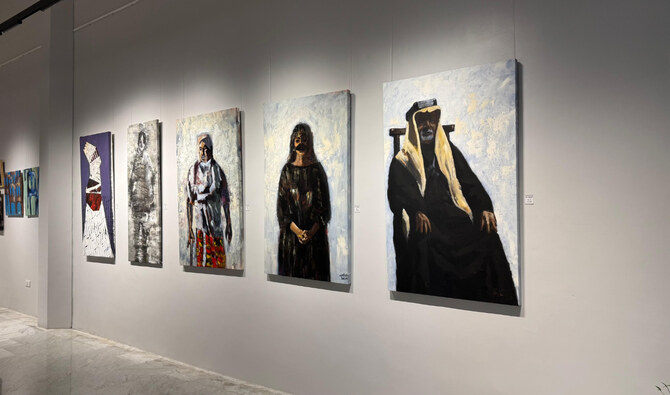
With a background in interior design and architecture, Al-Amir creates spaces that blend functionality with artistic expression, transforming each project into an exciting adventure. (AN Photo by Hind AlKhunaizi)
4 / 6
With a background in interior design and architecture, Al-Amir creates spaces that blend functionality with artistic expression, transforming each project into an exciting adventure. (AN Photo by Hind AlKhunaizi)
5 / 6
With a background in interior design and architecture, Al-Amir creates spaces that blend functionality with artistic expression, transforming each project into an exciting adventure. (AN Photo by Hind AlKhunaizi)
6 / 6
With a background in interior design and architecture, Al-Amir creates spaces that blend functionality with artistic expression, transforming each project into an exciting adventure. (AN Photo by Hind AlKhunaizi)
Short Url
Updated 20 February 2025
Follow

Saudi artist’s ‘Tafawut’ exhibition showcases harmony between art and architecture 

  • Salman Al-Amir’s use of acrylic and oil paint allows for a wide range of textures and tones making his works both thought-provoking and visually striking

RIYADH: Saudi artist and architect Salman Al-Amir’s exhibition, “Tafawut” (Disparity) which was held at Mahd Alfnon Gallery in Riyadh from Feb. 13-19, showcased a glimpse of his creative process, in which he skillfully blended art and architecture. 

Born in 1963 in Al-Ahsa, Al-Amir holds a master’s from Syracuse University and a bachelor’s from King Faisal University. 

With a background in interior design and architecture, he creates spaces that blend functionality with artistic expression, transforming each project into an exciting adventure.

“Tafawut” presented a diverse and engaging collection of 37 artworks that serve as a window into the artist’s emotions and experiences. 

The exhibition showcased a stunning variety of styles and mediums; some pieces were abstract and displayed a masterful play of geometric shapes and others representational, with artworks focusing on people, animals, or objects. Some featured prints, while others featured dreamy backdrops. 

His use of acrylic and oil paint allows for a wide range of textures and tones making his works both thought-provoking and visually striking.

The color palettes were equally varied, ranging from earthy to vibrant tones, further demonstrating the versatility of Al-Amir’s artistic vision and skill. 

This flair is a testament to Al-Amir’s architectural background, where precision and creativity come together. Each artwork invites viewers to explore the harmonious relationship between structure and form. 

His talent lies in merging his architectural expertise with his artistic passion. The paintings on display incorporate intricate details, touching upon various elements of Al-Amir’s experiences.

When asked about a specific painting that links his personal and professional experiences, Al-Amir said: “A painting titled ‘Ideas on a Flat Carpet’ is devoid of ideas but filled with the principles and foundations of Islamic miniature arts, often overlooked in our Islamic cultural heritage, yet rich with inspiration for the Saudi, Arab, and Islamic artist.” 

This painting reflects Al-Amir’s strong connection to his cultural roots and his passion for reinterpreting traditional artistic forms in a contemporary context.

Reflecting on his creative process, Al-Amir explained: “I am still on a journey to discover the creative form that satisfies me and relieves me from the arduous search.” 

The exhibition itself displays this ongoing exploration and experimentation.

Discussing the exhibition’s theme, Al-Amir stated: “Disparity here means diversity, not a difference in levels.

“This is precisely the message I wanted to convey to my fellow artists and amateurs to explore the depths of their talents and strive to reveal them,” Al-Amir told Arab News. 

The exhibition celebrated the multifaceted nature of art and the importance of embracing diverse styles and approaches.

As Al-Amir looks ahead, he shared his artistic goals. “I’m working to bring more Eastern influences into my art,” he explained.

He aims to give his creations a unique character that reflects the beauty and richness of Eastern traditions.

The artist shared valuable advice for aspiring artists. “Learn the rules like a professional so you can break them like an artist. Additionally, I encourage aspiring artists not to imitate Western styles; instead, they should adapt and reformulate these influences to support their local identity.”

Al-Amir is a dynamic force in the art world, leading workshops that ignite creativity. As a juror for art shows and a lecturer at King Fahd University, he inspires and helps direct many other aspiring artists.


Rebuilding lives: Saudi initiative gives fresh hope to amputees

Updated 5 sec ago
Follow

Rebuilding lives: Saudi initiative gives fresh hope to amputees

  • Baitureh Health Association has provided life-changing support to more than 1,000 people
  • Prosthetic limbs can cost up to $76,000

MAKKAH: The Baitureh Health Association for the Care of Amputees has quickly become one of Saudi Arabia’s most impactful humanitarian initiatives, transforming support for people with lost limbs.

Established in 2020, the association deals with people’s physical, psychological and social needs and fills a long-standing gap in the national health system.

CEO Badr bin Alyan told Arab News that the initiative was created in response to a growing need, driven by amputations linked to accidents, blood disorders, occupational injuries and other causes.

Its operations were “based on service integration rather than fragmentation, enabling beneficiaries to return to their lives with confidence, ability and independence,” he said.

This holistic process covers everything from initial evaluations to psychological and physical rehabilitation, family support, prosthetic fitting and ongoing maintenance.

Its psychological support programs include group sessions led by certified mentors who have undergone similar experiences, as well as field visits to support patients before and after amputation.

More than 1,000 people across the Kingdom have so far benefitted from the association’s work, about 10 percent of them children, whom Alyan said were “the most sensitive and the most in need of intensive psychological and family support.”

Its specialist programs for children — My First Step and Therapeutic Entertainment — help young people adapt to prosthetics, overcome trauma and build confidence in a safe and supportive setting.

The association has completed more than 300 prosthetic fittings, including silicone cosmetic limbs, mechanical, hydraulic, electronic and 3D-printed models. 

Alyan said the type of prosthetic selected depended on a number of factors, such as age, lifestyle, type of amputation, activity level and psychological readiness.

Children also have to undergo frequent adjustments to their new limbs to account for their growth.

Each prosthetic cost between SR20,000 ($5,300) and SR285,000, Alyan said.

The association funds its work through sponsorships, community contributions and strategic partnerships.

Despite its success, Alyan said there were still challenges to be faced, including the lack of a consolidated base for the provision of psychological support and therapy services and prosthetics development and maintenance.

There was also a shortage of local experts, he said.

In response, the association set up a rehabilitation center, which Alyan said would help to localize prosthetics manufacturing, reduce costs and accelerate fitting processes and create opportunities for local experts to develop their knowledge and experience.

But providing prosthetics was only part of the association’s work, he said.

“Rebuilding a human life is the deeper goal.”