RIYADH: In the chronicles of the First Saudi State (1727–1818), history often focuses on the men who led armies, negotiated alliances, and built political legacies. Yet, behind these triumphs stood women whose influence was equally vital — as warriors, strategists, poets, and economic forces. Their contributions were woven into the very fabric of the state’s survival and expansion.
Historian Zain Al-Shiran told Arab News: “In terms of the First Saudi State, I believe women were essential and significant in all parts of society, which makes them important in political life.”
Among the extraordinary women in the First Saudi State, Ghalia Al-Bogammiah emerged as a fierce military and economic leader, striking fear into Ottoman forces, while Moudi bint Saad Al-Dahlawi wielded the power of poetry and intellect, rallying resistance through words that inspired generations.
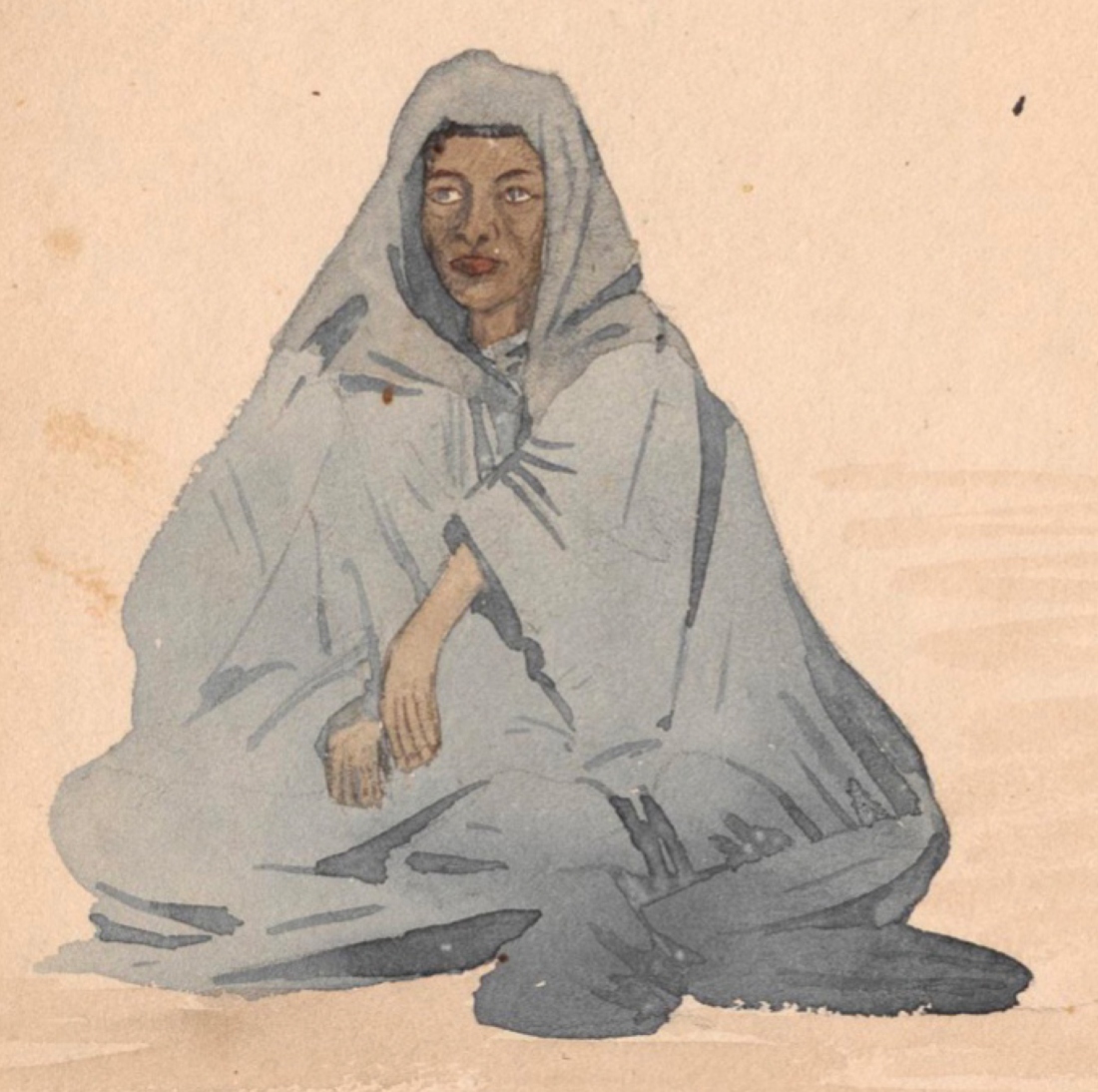
Saudi women's contributions were woven into the very fabric of the state’s survival and expansion. (Supplied by King Abdulaziz Foundation for Research and Archives (Darah)/ the Ministry of Culture "Saudi Founding Day" book.)
The First Saudi State, with Diriyah as its capital, was a thriving political, intellectual, and economic hub.
“This city held political, intellectual, and economic life, and it was very important for all members of society to almost play a pivotal role in terms of intellectual, cultural, material, textual exchange,” said Al-Shiran.
One of the most influential women in Saudi cultural history was Al-Dahlawi, an educator whose impact extended beyond poetry to shape intellectual thought and literacy. A poet and intellectual, her work was a force of defiance that resonated through generations.

(Supplied by DGDA)
Al-Shiran said: “She has this stirring poetry, to say the least. It was to motivate the people of the First Saudi State.
“She wrote it … to motivate and spur the defenders in the face of the Ottoman invading forces.
“This poetry that she has written, and I think is passed through generationally, speaks of the power of women in poetry from the First Saudi State.”
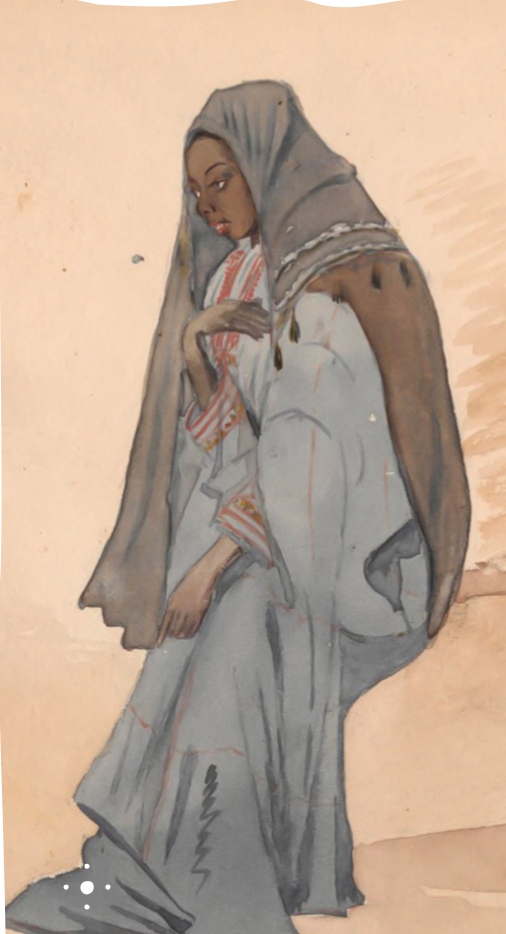
Illustration by Julius Euting Women in the northern Arabian Peninsula. (Photo courtesy: King Abdulaziz Foundation for Research and Archives (Darah)/ the Ministry of Culture "Saudi Founding Day" book.)
Al-Dahlawi was part of a larger movement of women who championed education, promoting literacy and intellectual growth in those times.
Other women, such as Ruqaiyah bint Abd Allah Al-Saad Al-Salihi, who is documented in “Prominent Women from Central Arabia” by Dalal Mukhlid Al-Harbi, also left a lasting impact with their verses of wisdom and defiance, reinforcing the cultural resilience of their people.
And while Al-Dahlawi inspired resistance with her poetry, Al-Bogammiah led men into battle.
Al-Shiran added: “Militarily, I think the most prominent woman would be Ghalia Al-Bogammiah. (She) was a supporter through and through of the First Saudi State.”
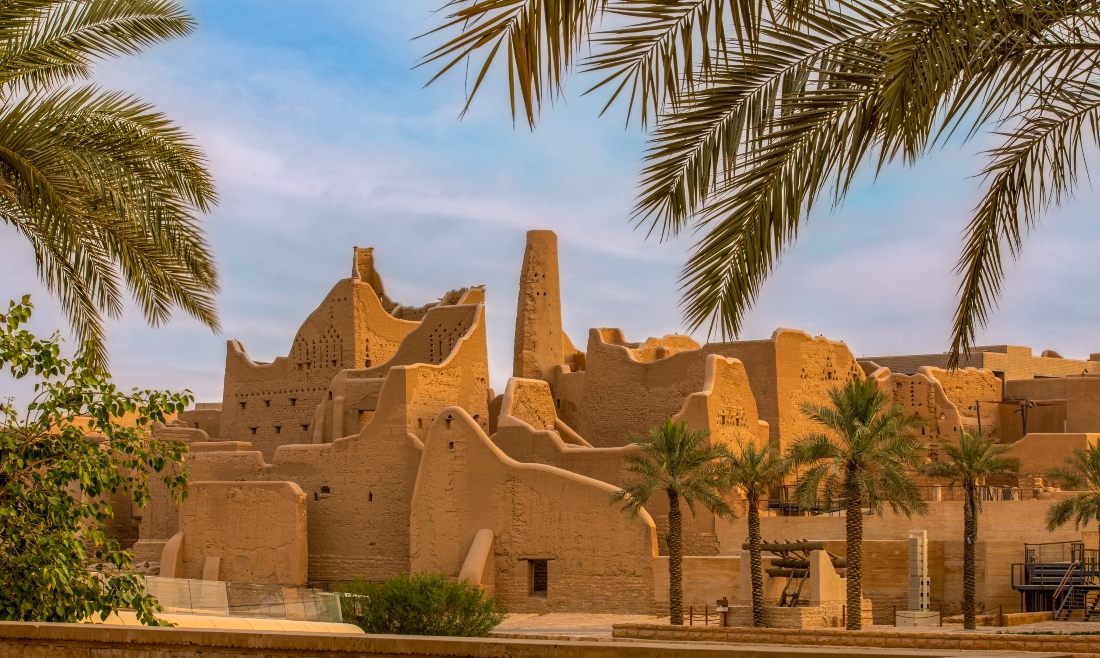
The First Saudi State, with Diriyah as its capital, was a thriving political, intellectual, and economic hub. (DGDA photo)
The historian explained how manuscripts and first-hand accounts from the time detail how Al-Bogammiah supported the military efforts of tribal leaders and dignitaries who were able to repel two Ottoman expeditions in 1811 and 1813.
“She is known for her sound opinions and accurate knowledge of military matters and her understanding of defense, and she would push the tribe towards defending the First Saudi State,” Al-Shiran explained, citing the Swiss writer Johann Ludwig Burckhardt who recorded his travels in Arabia in the early 19th century.
The Saudi victory was so momentous that Ottoman forces reportedly believed Al-Bogammiah was a sorceress.
“Her efforts are shown not only through the stories that are passed down generationally, but also manuscripts and firsthand accounts of Ghalia’s efforts,” said Al-Shiran.
Beyond warfare and culture, women like Al-Dahlawi and Al-Bogammiah were also deeply involved in the economy.
Al-Shiran said: “When I understand the economic situation, specifically Diriyah, it was alive. It was this rebirth and this renaissance of cultural, economic, political, intellectual exchange, and we understand that… there were industries where occupations were performed by men and also by women.4
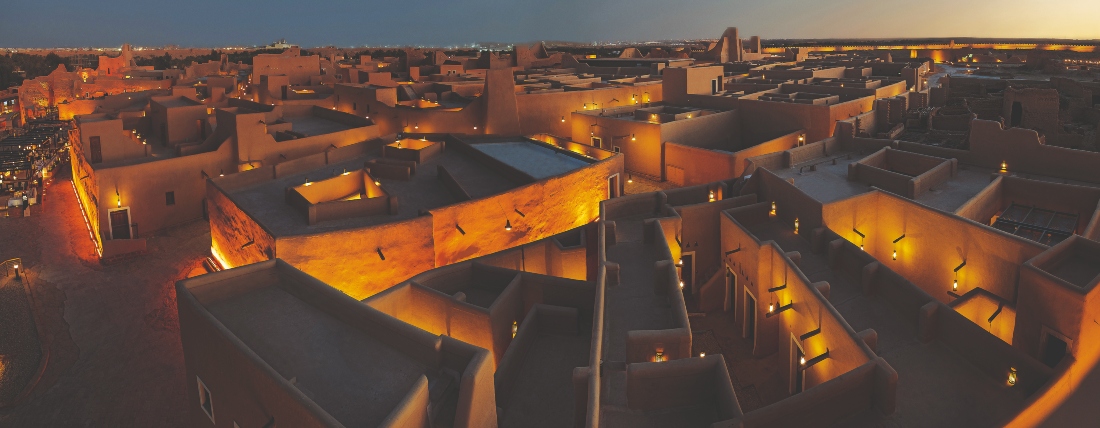
The First Saudi State, with Diriyah as its capital, was a thriving political, intellectual, and economic hub. (DGDA photo)
“And when we understand trade, we understand that (trade) was something that they had in common. Both men and women would be trading in one of the most important (markets) in the First Saudi State, which is Souq Al-Mawsim in Diriyah,”
According to Al-Harbi’s book, women of the era contributed to both governance and social stability, reinforcing the political resilience of the First Saudi State through their leadership and advisory roles.
Women such as Princess Modhi bint Sultan Abi Wahtan were significant for the philanthropic role they played, patronizing free education and accommodation for needy travelers.
Al-Shiran further emphasized the political presence of women, adding: “Politics, I think, is an umbrella to all, because if they are prominent in economic affairs, in military affairs, in cultural affairs, then they are also prominent in political affairs.”
Their contributions, and the efforts of countless other warriors, poets, and scholars, reveal the resilience of Saudi women in the state’s formative years.
Though history often overlooked their defiance, their words, actions and victories have echoed through time.
The legacy of these pioneering women has not faded with time. The principles they fought for — education, leadership, and resilience — continue to inspire modern Saudi women who now take leading roles in academia, politics, and business.