- Arab Health 2025 expo hosted 3,800 exhibitors and over 60,000 health care professionals from more than 70 countries
- Forty Pakistani health care companies showcased their products at country’s pavilion, hoping to make deals and connections
ISLAMABAD: Pakistani companies participating in the four-day-long Arab Health 2025 exhibition in Dubai are expected to collectively generate around $15 million in business for the surgical industry, Pakistan’s envoy to the United Arab Emirates (UAE) told Arab News this week.
Arab Health 2025, organized under the patronage of the UAE’s Ministry of Health and Prevention, featured over 3,800 exhibitors and has attracted more than 60,000 health care professionals and industry leaders from over 70 countries.
The event, held from Jan. 27-30, focused on nine key product sectors, including medical equipment and devices, disposables and surgical goods, orthopedics and physiotherapy, imaging and diagnostics, general health care services, health care infrastructure, wellness and prevention, health care transformation and health care technology.
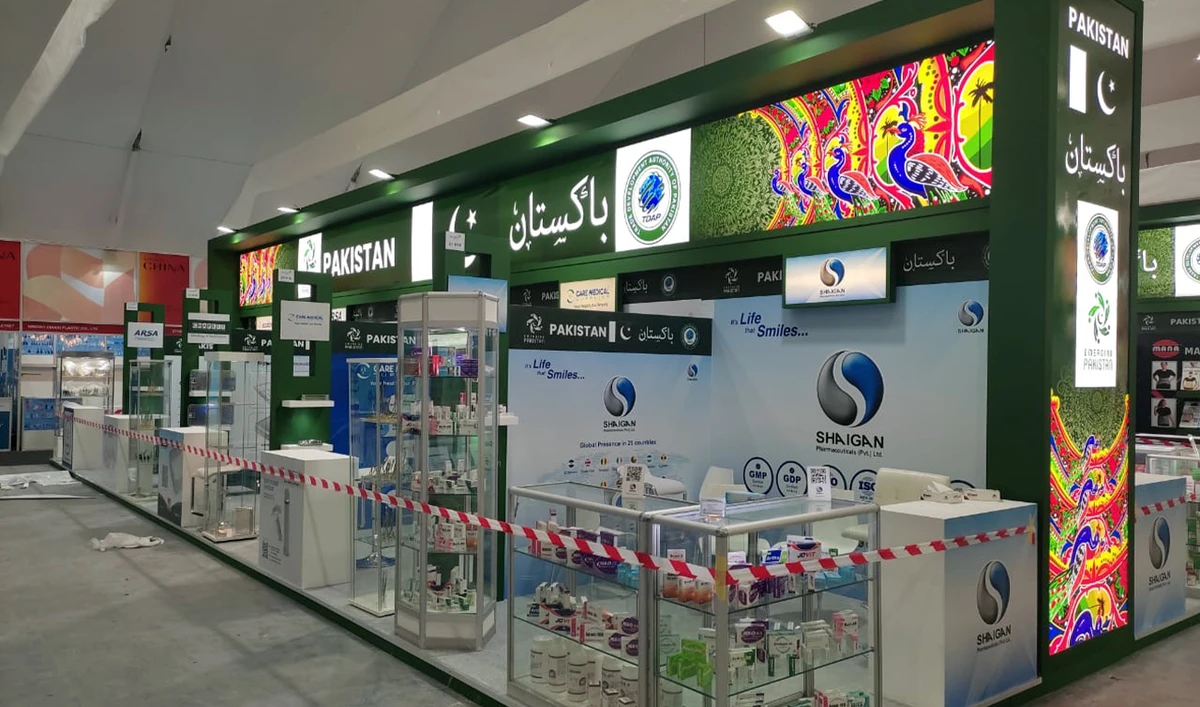
Pakistan also set up a pavilion at the expo, where 40 leading companies showcased their products and services under the umbrella of the Trade Development Authority of Pakistan (TDAP).
“Pakistani exhibitors from the surgical industry alone expect business deals of around $15 million as the outcome of this exhibition and this does not include pharmaceutical companies’ potential business deals,” Ambassador Faisal Niaz Tirmizi told Arab News on Thursday.
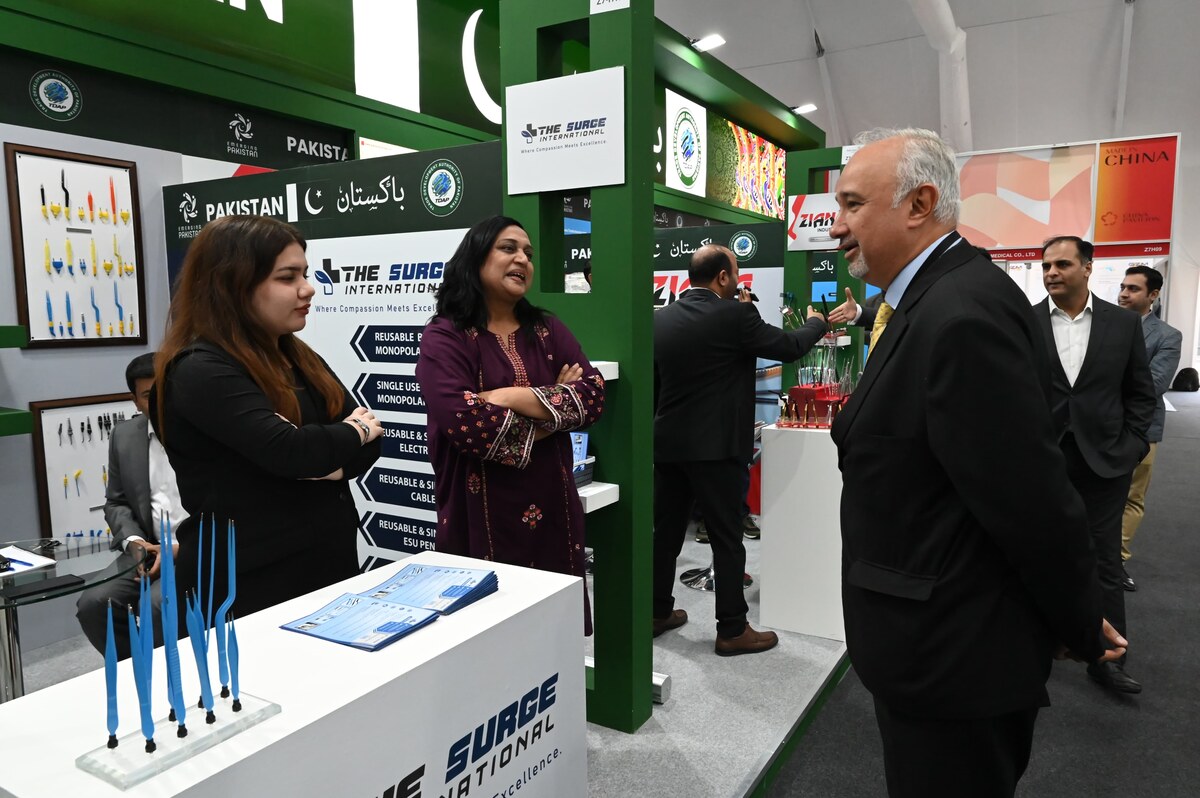
He said the country’s participation in the expo had been a “success,” with Pakistani surgical equipment manufacturers and pharmaceutical companies receiving “overwhelmingly positive responses.”
“Several leading Pakistani companies have signed four Memorandums of Understanding (MoUs) with international health care distributors,” the envoy said, adding that the agreements marked a “major step” in expanding the global reach of Pakistan’s medical sector and strengthening international trade partnerships:
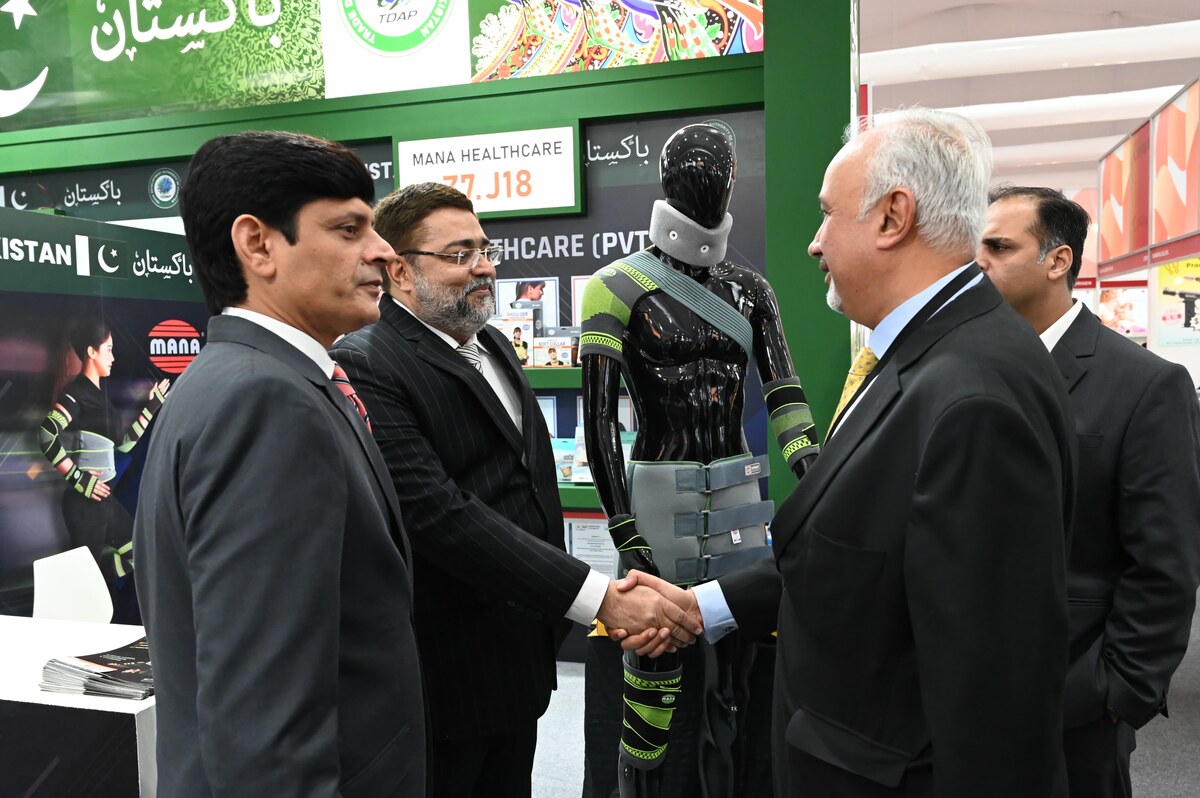
“By fostering collaboration in medical technology, diagnostics, surgical instruments, and health care solutions, these MoUs are expected to enhance export opportunities and position Pakistan as a key player in the global health care industry.”
Global health care partners had shown “keen interest” in Pakistani products, reaffirming the country’s reputation for high-quality medical and surgical equipment, the ambassador added.
“Our exhibitors are enthusiastic about strong business leads generated during the exhibition, which will open new avenues for collaboration.”
Pakistani exhibitors also described their participation in the event as a success, hoping the business leads generated would translate into future revenue.
“Arab Health is the largest exhibition worldwide for the health care and pharmaceutical industry, where we received an excellent response from visitors, clients, and investors,” Bilal Tanveer, a director at the Sialkot-based surgical goods manufacturing company Durable Hospital Supplies, told Arab News.
Out of the 40 Pakistani companies present, he said 34 were from the surgical sector, with many deals signed and initiated.
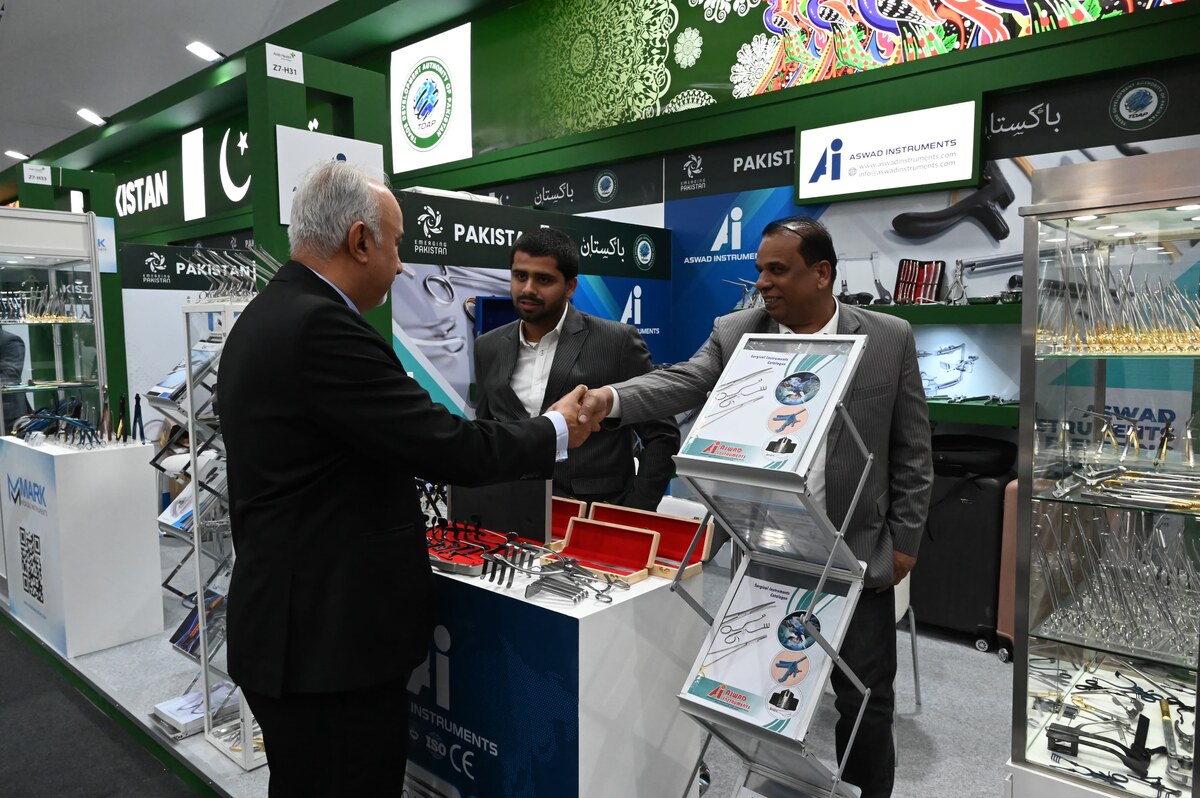
“We have signed several deals with clients which will translate into substantial business volume, but the information is confidential and cannot be shared at this stage,” he added.
Amir Shehzad, chief executive officer of the Sialkot-based electro-surgical instruments manufacturer Sehar Batool International, said he had been attending the Arab Health Expo for the past 10 years due to its high visitor turnout.
“We have signed four deals with international clients from France and Italy,” he told Arab News, declining to share details at this stage.
“This participation has expanded our horizons and provided valuable opportunities to connect with potential customers while also learning from other companies.”
The UAE is Pakistan’s third-largest trading partner after China and the United States (US), and a major source of foreign investment, valued at over $10 billion in the last 20 years, according to the UAE foreign ministry.
Policymakers in Pakistan consider the UAE an optimal export destination due to its geographical proximity, which minimizes transportation and freight costs while facilitating commercial transactions.