
KARACHI: Pakistan’s Ambassador to Saudi Arabia Ahmad Farooq this week said that the next two years are crucial for Pakistani entities to expand their presence in key Saudi business sectors, urging them to capitalize on Riyadh’s ambitious measures to make its economy less dependent on oil.
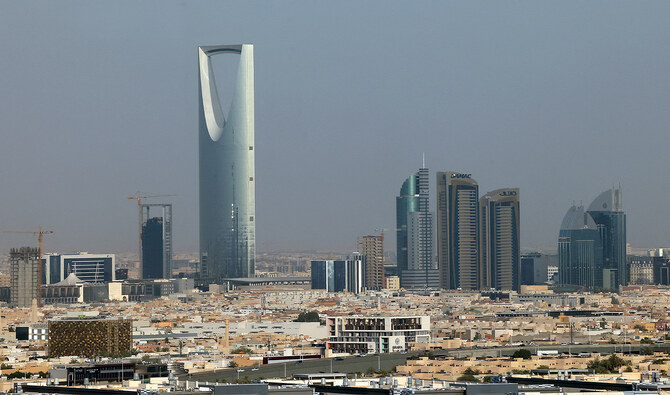
Saudi Arabia is consolidating its economy on modern lines under the Vision 2030 program, which is a strategic development framework intended to cut the Kingdom’s reliance on oil. It is aimed at developing public service sectors such as health, education, infrastructure, recreation and tourism.
Pakistan has pushed for greater trade and economic ties with the Kingdom in recent months. In October 2024, the two countries signed business agreements worth $2.8 billion. Saudi Arabia is also home to over two million Pakistani expatriates, serving as the largest source of foreign workers’ remittances for the South Asian nation.
Farooq visited the Karachi Chamber of Commerce and Industry (KCCI) on Wednesday to engage with Pakistani businesspersons and industrialists, a statement from the KCCI said.
“Pakistan’s Ambassador to Saudi Arabia Ahmad Farooq, while highlighting the massive transformation in Saudi Arabia under Vision 2030 focused on diversifying the economy beyond oil, emphasized that the next one to two years will be crucial for Pakistan in expanding its presence in Saudi Arabia,” the KCCI said.
Farooq noted that the there would be “abundant opportunities” in Saudi Arabia’s construction, information technology, health care and hotels & hospitality sectors in the next two years.
He stressed the need for Pakistan to impart skills to its workforce so that they can secure employment in the Kingdom.
“If we do not claim our share immediately, it will be taken by competitors but to achieve this, Pakistan needs to focus on improving its workforce by imparting training as per Saudi requirements.”
The Pakistani envoy stressed that Saudi Arabia aims to become a regional IT hub, creating a substantial demand for human resources and expertise.
He said this presented Pakistan’s IT companies a “significant opportunity” to provide services and products to the rapidly growing sector.
Farooq said Saudi Arabia will host four major international events in the next decade, namely the Asian Football Cup in 2027, the Asian Winter Games in 2029, the World Expo in Riyadh in 2030, and the FIFA World Cup in 2034.
“To support these events, Saudi Arabia is investing heavily in infrastructure, including the construction of 250 new hotels,” Farooq said.
“This expansion creates opportunities for Pakistan’s home textile industry, food exports, and trained workforce in hospitality and housekeeping.”
He said mega construction projects in Saudi Arabia, such as Neom City, also presented opportunities for Pakistani contractors.
“Companies from around the world are securing lucrative contracts, and Pakistan must also seize this opportunity,” Farooq said.