



DAVOS: The tourism sector in Saudi Arabia, which has undergone a transformative shift in recent years, must continue to grow with sustainable practices front and center, according to the country’s tourism minister.
Speaking at a media briefing on Monday attended by Arab News at the World Economic Forum’s annual meeting in Davos, Ahmed Al-Khateeb said it was vital the tourism industry embraced a sustainable agenda if it was to continue its upward trajectory without impacting natural environments and the communities living in them.
The Kingdom has been working with major global organizations, including the WEF, UN Tourism, and the World Travel and Tourism Council in order to achieve this, the minister said.
Al-Khateeb was speaking ahead of the launch of a WEF briefing paper on the future of the travel and tourism sector, as well as a new investor whitepaper from the Ministry of Tourism on investments in the sector, which showcases Saudi Arabia’s position as one of the fastest-growing tourism destinations globally.
He emphasized that the Kingdom was approaching sustainability from three key perspectives: environmental, economic and social. He added that focusing on the environment alone would not garner satisfactory results.
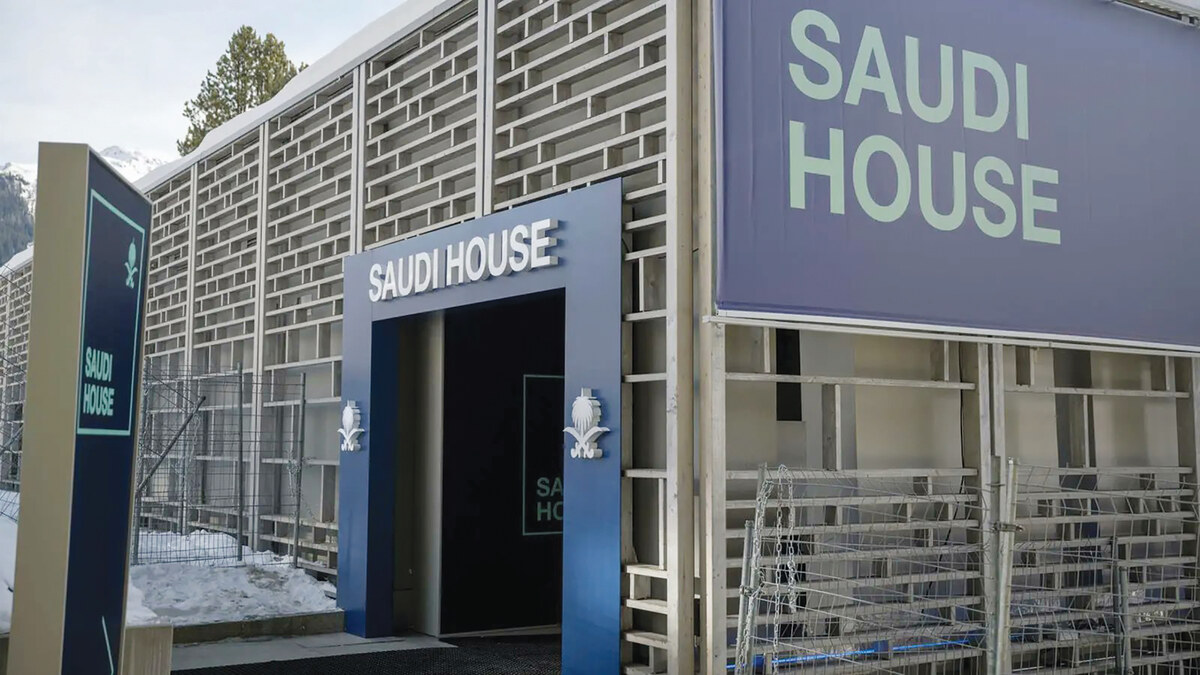
Saudi Tourism Minister Ahmed Al-Khateeb spoke at a media briefing on Monday, attended by Arab News, at the Saudi House on the sidelines of the World Economic Forum’s annual meeting in Davos. (SPA)
He said: “People travel to explore other peoples and cultures and to enjoy nature and the environment. If we don’t protect the environment, presented by nature, people will not travel. We need to ensure sustainability across all sectors — environmentally, economically, and socially.
“In 2019 we commissioned a study with the WTTC and Oxford Intelligence to analyze the sustainability of our industry, which revealed that our sector contributes to about 8 percent of global greenhouse gas emissions.
“While this isn’t as high as initially feared, it’s still a concern. If we don’t come up with the right tools to reduce this in the best-case scenario, or at least maintain this, with the very high and fast growth of our industry in the next decade, we’re afraid this number will double to 15 or 16 percent in the worst-case scenario.”
The Kingdom has already begun addressing these concerns by launching campaigns to reduce food and water waste, in conjunction with hospitality chains like Hilton and Marriott. And in 2023 it spearheaded initiatives such as the Sustainable Tourism Global Center, working with international organizations like the UN and the WTTC to promote responsible tourism practices worldwide.
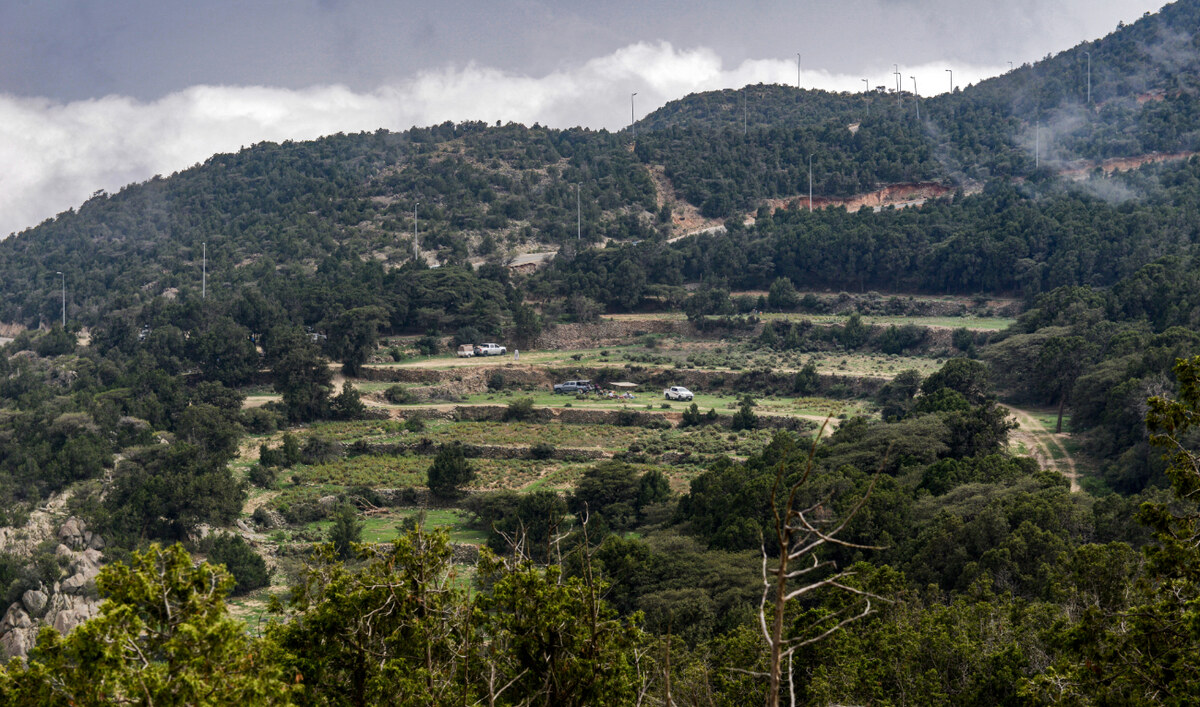
Mist covers the sky at an elevation 2800 metres above sea level, at the Jabal Marir (Mount Marir) park in Al-Namas in Saudi Arabia's Asir Province, on August 16, 2022. (AFP)
From the economic perspective, Al-Khateeb highlighted how important small and medium-size enterprises were to the sector, making up 80 percent of the global tourism industry.
Ensuring the viability of these SMEs was crucial as the sector grows, especially thanks to their job-creation potential, he said. This was increasingly the case for women, including in Saudi Arabia where a milestone 25 percent of tourism sector jobs in 2023 were held by females, he added.
Saudi Arabia continues to place a strong emphasis on supporting SMEs and entrepreneurs, which includes initiatives to train and support the next generation of tourism leaders, with 100,000 Saudis being trained annually through a partnership with UN Tourism, Al-Khateeb said.
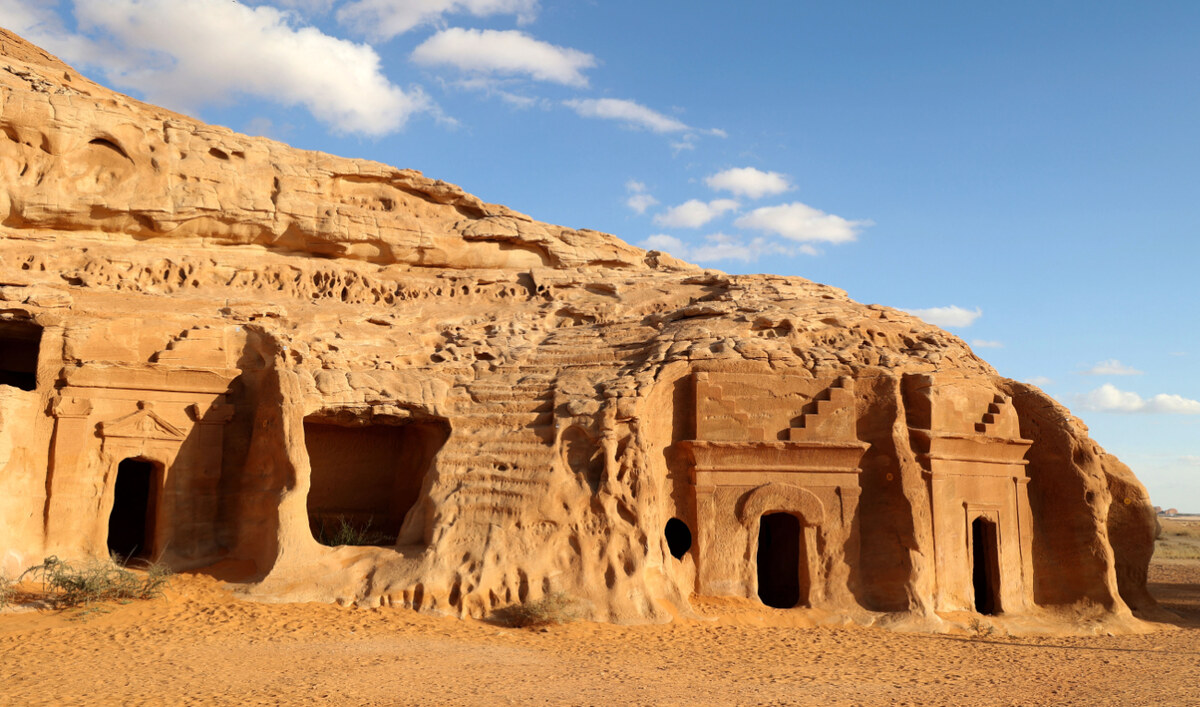
This picture shows a view of the ancient town of Hegra in Saudi Arabia’s AlUla desert on January 27, 2024. (AFP)
He added: “We’ve funded over 1,500 small businesses through the Saudi Tourism Development Fund over the past two years, and we continue to make the sector more attractive as a viable business opportunity for entrepreneurs.
“I am very optimistic. We want to further promote the sector, for it to prosper and to grow. We want to make this sector more important in Saudi Arabia, and we took a decision to invest in the sector to open it up.”
With the value of the global tourism industry expected to grow to $11 trillion by 2030, Al-Khateeb said that Saudi Arabia recognized the importance of both government and private sector collaboration, adding: “(Governments) design, but (the private sector) implement, they invest, they take the risk.”
He added: “The private sector is very important in our industry: It’s run by the private sector and we believe and we know in Saudi Arabia how important it is. That’s why we invited the private sector for the first time to join the G20 meetings held in Riyadh, and since then they have been joining all of them.”
Sports tourism – and football, in particular – will drive record numbers of visitors to Saudi Arabia, the minister said, as it prepares to host the FIFA World Cup in 2034.
He added: “Sport is extremely important, people travel for sport. People can cut their spending in many things – but they will not cut their spending to go watch a game. It's recession-proof. We believe in it, and we'll continue to invest in sport.”


