- Startups raised $279 million in what was an 8 percent rise from November
RIYADH: Funding for startups across the Middle East and North Africa ended 2024 on an upward trajectory, raising $279 million in what was an 8 percent rise from November.
The investment was spread across 42 deals, yet when debt financing — which accounted for 44 percent of the total — is excluded, the amount falls to $156 million.
Despite the month-on-month increase, the total sum marks a significant 76 percent drop compared to the same period in 2023, highlighting a challenging environment for the region’s startups.
The UAE emerged as the top destination for investments, attracting $217 million across 18 deals. A substantial portion of this came from ALLO’s $100 million debt financing round.
Saudi startups followed with $30 million raised by 11 companies, while Bahrain secured third place with $25 million, led by Calo’s $25 million series B round. Bahraini startup Unipal also closed a funding round during the month, though the value was undisclosed.
Egypt’s startup ecosystem experienced weak performance, raising just $2 million across five transactions. Meanwhile, startups in Morocco, Jordan, Tunisia, and Qatar collectively raised $4.4 million, indicating limited funding activity across these markets in December.
The web 3.0 sector led in overall funding, but fintech emerged as the most funded area when debt financing was excluded. Fintech startups raised $93.5 million across seven deals, maintaining strong investor interest in the region.
Food tech ranked among the top three funded sectors, raising $25.1 million across two transactions, with Calo accounting for the majority of this total. Education tech startups also saw a modest recovery, raising $16 million through five funding rounds.
Investment at early stages remained a priority for investors. Seed-stage startups attracted $59 million, while pre-seed rounds raised $7.7 million across seven deals.
Six startups in the series A stage raised $53 million, further showcasing sustained interest in startups transitioning from early stages. Later-stage funding activity was minimal, with Calo’s Series B round being the only notable deal in this category.
Business-to-consumer startups led funding activity, with 18 companies collectively raising $128.4 million. Meanwhile, 22 startups focused on business-to-business solutions raised a combined $124.6 million. This distribution reflects a strong focus on consumer-facing innovations, even as B2B models continued to attract significant investment.
Funding in December highlighted a persistent gender gap within the MENA startup ecosystem. Startups founded by men received $263 million, accounting for the vast majority of funds raised.
In contrast, four female-led startups secured $12.6 million, while two startups co-founded by both genders raised $1.5 million. These figures underscore ongoing challenges in bridging gender disparities in access to venture capital in the region.
Raseedi acquires Kashat to expand services for the underbanked
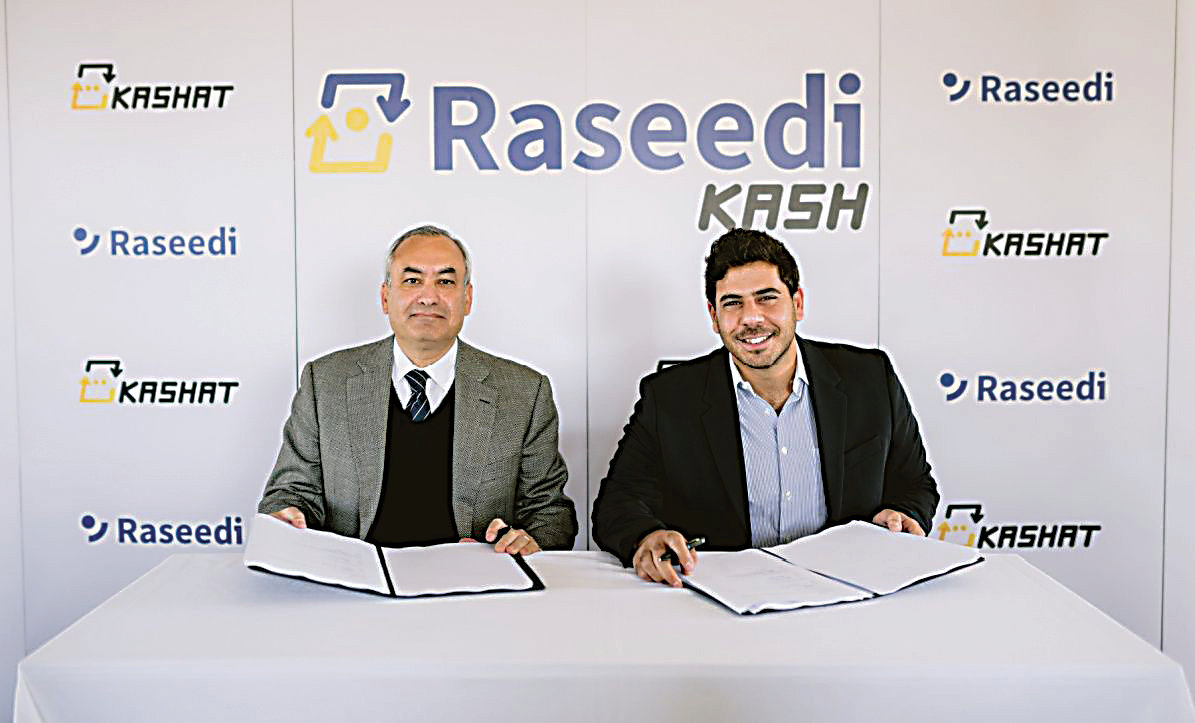
Egypt-based fintech Raseedi acquired Kashat, along with its subsidiary Pharos Microfinance S.A.E., in an equity deal aimed at expanding financial inclusion services.
Raseedi, founded in 2018, offers underbanked users tools to make cheaper calls, receive savings tips, and access microloans without requiring a credit history.
Kashat, also founded in 2018, specializes in providing instant small loans to financially excluded individuals.
The acquisition will enable both companies to scale their operations across Africa and Asia, delivering digital financial solutions to underserved communities.
TAP secures $1m to empower youth employment
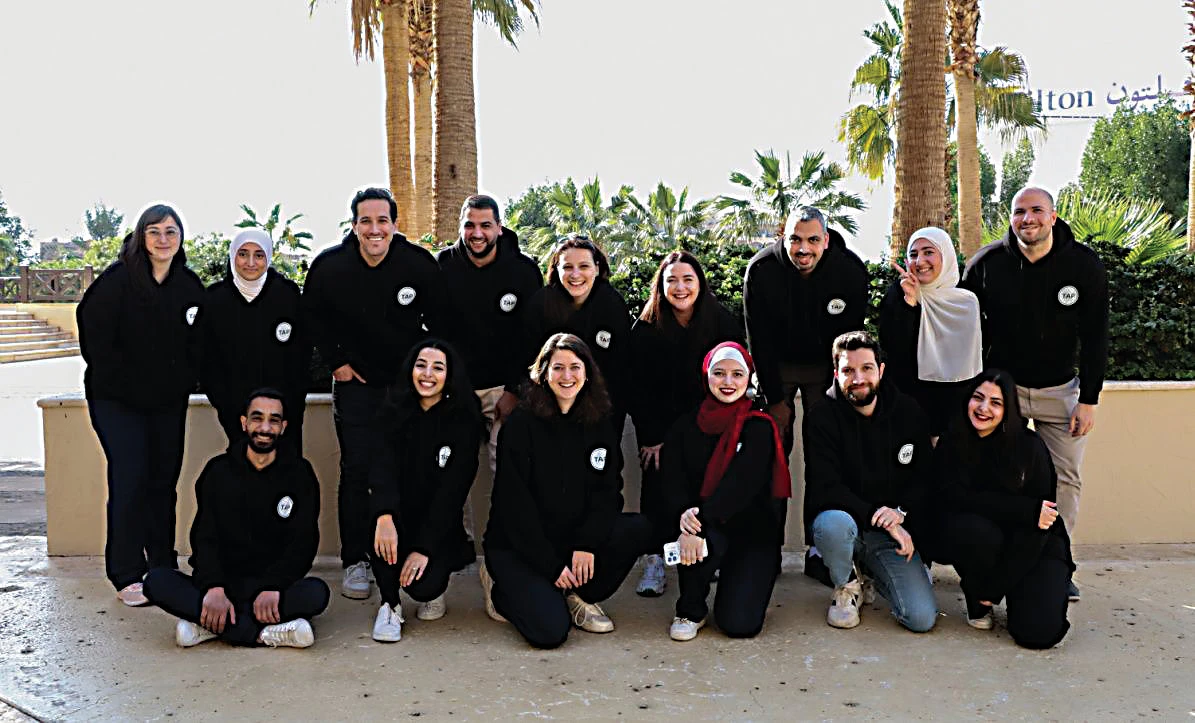
Palestinian-Dutch company TAP raised $1 million in funding led by Invest International in the Netherlands, alongside contributions from impact angel investors.
Initially founded in 2018 to create job opportunities in Gaza, TAP has since evolved into a scalable tech platform that supports local job creation.
The funding will be deployed to strengthen TAP’s impact in Palestine, Jordan, and Lebanon, while also enabling the launch of its next-generation AI-powered platform in early 2025.
The platform will focus on providing mentorship networks, personalized coaching, and tools to help young people secure meaningful employment without needing to migrate.
TAP previously raised $1 million in October 2023 in a seed round led by Wamda Capital, with participation from the World Bank and other angel investors.
Opteam raises pre-seed round to enhance construction tech solutions
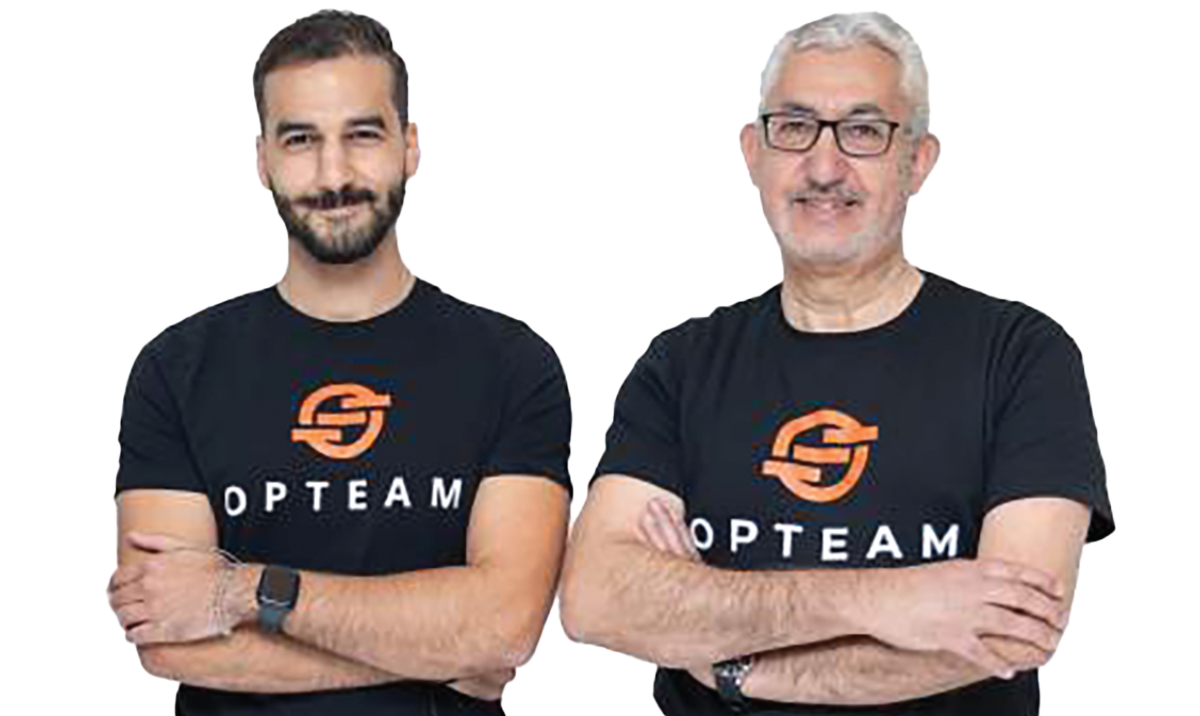
UAE-based construction technology startup Opteam raised an undisclosed pre-seed funding round led by Plus VC, with participation from Dar Ventures, SIAC Ventures, and Oraseya Capital.
Founded in 2020, Opteam provides tools to construction teams, including real-time dashboards, progress monitoring systems, and AI-powered schedule optimization.
The funding will be used to expand Opteam’s team, deepen its AI capabilities, and strengthen its market presence in the UAE and Saudi Arabia.
The company aims to address inefficiencies in the construction sector by offering technology that improves project tracking and resource allocation.
Jingle Pay partners with Bank Alfalah to expand digital remittances
UAE-based remittance fintech Jingle Pay secured investment from Pakistan’s Bank Alfalah in exchange for a 9.9 percent equity stake.
Founded in 2019, the business allows users to store, spend, and send money to more than 160 countries in over 99 currencies.
The platform currently operates in the UAE, Bahrain, Pakistan, and Egypt.
The partnership will enable Jingle Pay to launch its digital banking services in Pakistan in the first quarter of 2025 through a branchless banking mobile app.
This marks a significant step for the company, which previously secured a 12 percent investment from MoneyGram in 2022.
Teammates.ai raises funding to expand enterprise AI offerings
UAE-based AI solutions provider Teammates.ai, formerly known as Uktob.ai, raised an undisclosed funding round from Hustle Fund, Access Bridge Ventures, Oraseya Capital, Beyond Capital, and other angel investors.
Established in 2023, Teammates.ai provides enterprises with AI-powered “colleagues” that perform tasks such as customer support and email management in more than 50 languages.
The rebranding reflects the startup’s strategic shift toward offering enterprise-grade AI solutions, as well as an expanded portfolio of tools to help companies optimize operations. The funding will support scaling efforts and growth across MENA and international markets.
Raseedi acquires Kashat to expand services for the underbanked
Egypt-based fintech Raseedi acquired Kashat, along with its subsidiary Pharos Microfinance S.A.E., in an equity deal aimed at expanding financial inclusion services.
Raseedi, founded in 2018, offers underbanked users tools to make cheaper calls, receive savings tips, and access microloans without requiring a credit history.
Kashat, also founded in 2018, specializes in providing instant small loans to financially excluded individuals.
The acquisition will enable both companies to scale their operations across Africa and Asia, delivering digital financial solutions to underserved communities.
Sigma Capital launches $100m fund for Web3 startups
Global Web3-focused venture asset manager Sigma Capital launched a $100 million fund to accelerate blockchain and cryptocurrency innovation.
The fund will focus on early-stage Web3 startups, liquid tokens, and fund-of-fund investments.
Sigma Capital has offices in Dubai, Singapore, and the Cayman Islands and plans to use its extensive network to support portfolio companies.
The fund aims to drive Web3 innovation in the Middle East and globally, targeting projects that are pioneering advancements in blockchain technology.