‘Proud moment’ as Pakistan launches first indigenous satellite to predict natural disasters

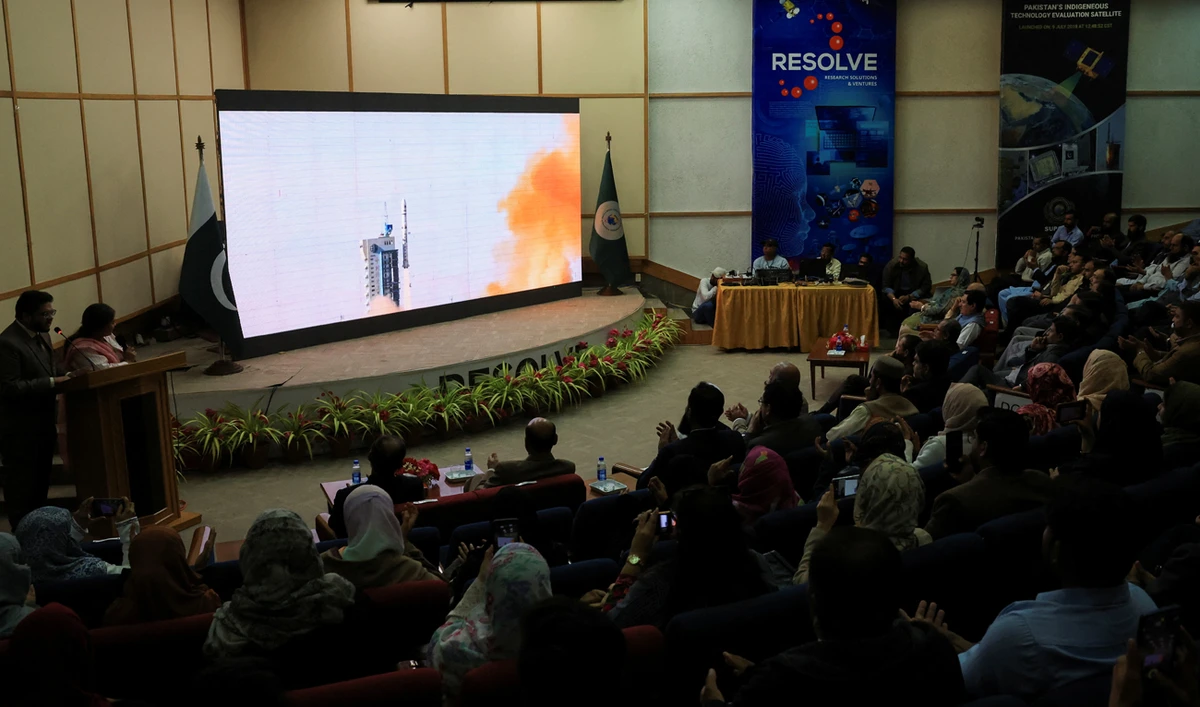
People watch a screen displaying the launch of Pakistan's indigenous Electro-Optical (EO-1) satellite from the Jiuquan Satellite Launch Centre (JSLC) in northern China, at the Pakistan Space and Upper Atmosphere Research Commission (SUPARCO) Complex in Karachi, Pakistan on January 17, 2025. (REUTERS)
Short Url
Updated 17 January 2025
Follow

‘Proud moment’ as Pakistan launches first indigenous satellite to predict natural disasters

  • PM Sharif praises all Pakistani scientists and engineers working on the project for their team effort
  • The country’s military calls the development ‘a momentous milestone in Pakistan’s space journey’

ISLAMABAD: Prime Minister Shehbaz Sharif called it a “proud moment” for the nation as China launched Pakistan’s first indigenously developed Electro-Optical (EO-1) satellite into space on Friday, aiming to monitor mineral resources and predict natural disasters.
The EO-1 satellite was launched from China’s Jiuquan Satellite Launch Center, following work by Pakistan’s Space and Upper Atmosphere Research Commission (SUPARCO) to advance the country’s technological capabilities in space science.
The satellite is expected to enhance Pakistan’s ability to manage natural resources, predict and respond to floods and other disasters, support food security and drive economic growth through informed decision-making and sustainable development.
“Soaring higher and higher! Proud moment for the nation as [Pakistan] proudly launches its first indigenous Electro-Optical (EO-1) satellite from the Jiuquan Satellite Launch Center, China,” Sharif said in a social post on X, formerly Twitter.
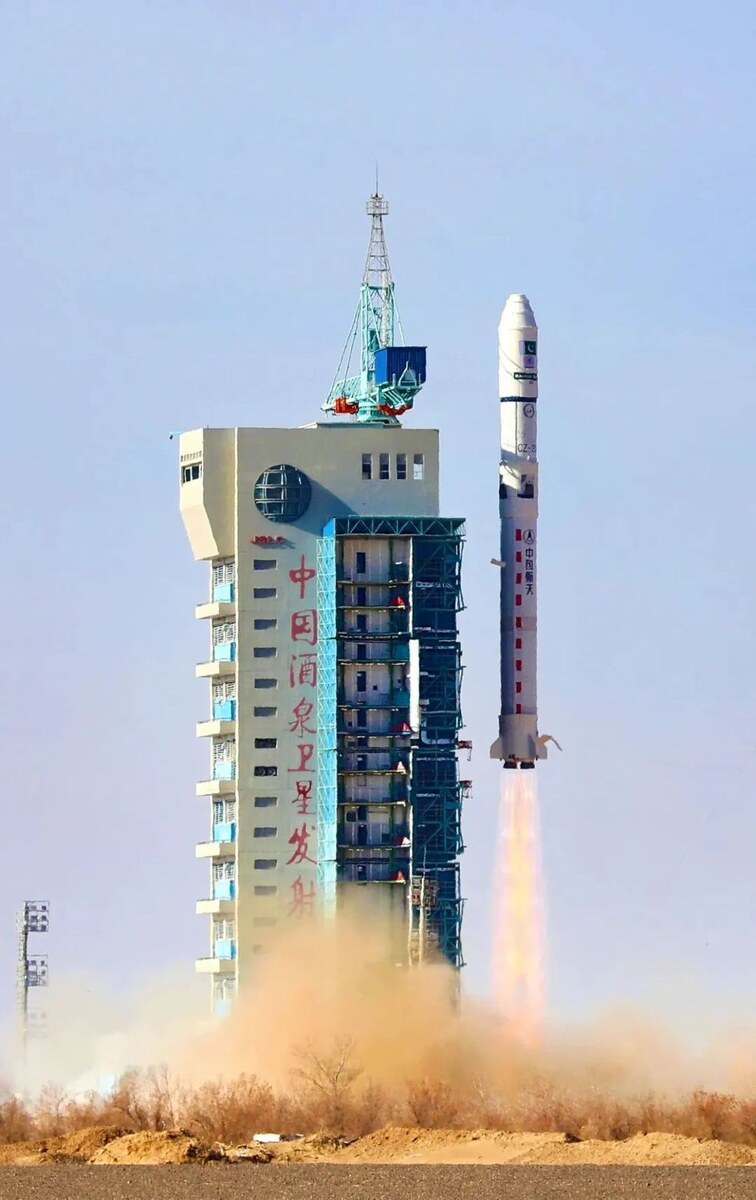


Pakistan's indigenous Electro-Optical (EO-1) satellite launched from the Jiuquan Satellite Launch Centre (JSLC) in northern China on January 17, 2025. (PMO)

“From predicting crop yields to tracking urban growth, #EO1 is a leap forward in our journey towards progress,” he continued, praising SUPARCO and all the scientists and engineers involved in the project for their team effort.
According to China’s state-run Xinhua news agency, the satellite was launched at 12:07 p.m. Beijing time aboard a Long March-2D carrier rocket and successfully entered its planned orbit.
The Pakistani military also applauded the development, highlighting its wide-ranging applications across various sectors.
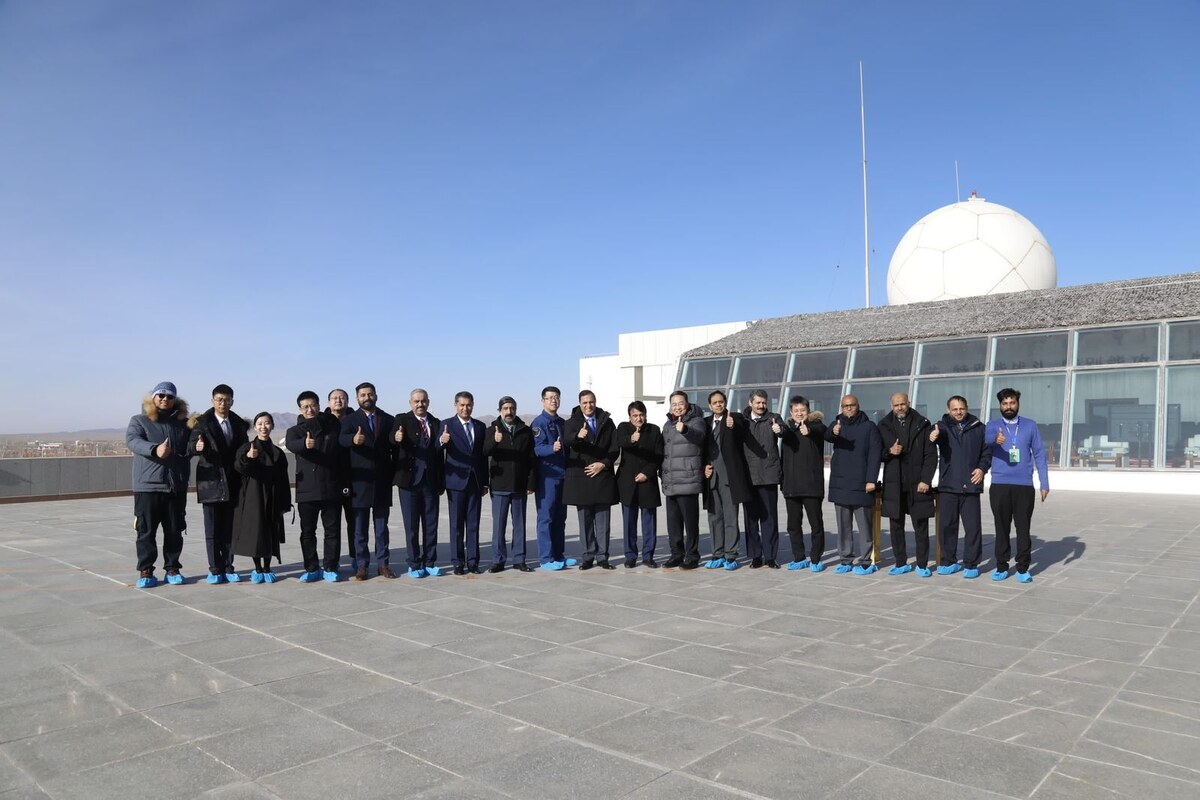


Officials gesture for a group photograph following the launch of Pakistan's indigenous Electro-Optical (EO-1) satellite from the Jiuquan Satellite Launch Centre (JSLC) in northern China on January 17, 2025. (PMO)

“In agriculture, it will enable precision farming by monitoring crops, assessing irrigation needs, predicting yields, and supporting food security initiatives,” the military media wing, the Inter-Services Public Relations (ISPR), said in a statement, calling the development a “momentous milestone in Pakistan’s space journey.”
“For urban development planning, the satellite will assist in tracking infrastructure growth and managing urban sprawl,” it added.
Among its other roles, the EO-1 will aid in the extraction and conservation of natural resources such as minerals, oil and gas. Additionally, it will help monitor glacier recession and water resources.
Pakistan has made significant progress in its space research program. Last year, SUPARCO announced its rover would join China’s Chang’E 8 mission to explore the moon’s surface in 2028.
“This achievement positions advanced space technology capabilities at the forefront of national progress,” ISPR added in the statement after the satellite launch, emphasizing its role in furthering Pakistan’s ambitions in space exploration.

Pakistan says $50 million meat export deal with Tajikistan nearing finalization

Updated 09 December 2025
Follow

Pakistan says $50 million meat export deal with Tajikistan nearing finalization

  • Islamabad expects to finalize agreement soon after Dushanbe signals demand for 100,000 tons
  • Pakistan is seeking to expand agricultural trade beyond rice, citrus and mango exports

ISLAMABAD: Tajikistan has expressed interest in importing 100,000 tons of Pakistani meat worth more than $50 million, with both governments expected to finalize a supply agreement soon, Pakistan’s food security ministry said on Tuesday.

Pakistan is trying to grow agriculture-based exports as it seeks regional markets for livestock and food commodities, while Tajikistan, a landlocked Central Asian state, has been expanding food imports to support domestic demand. Pakistan currently exports rice, citrus and mangoes to Dushanbe, though volumes remain small compared to national production, according to official figures.

The development came during a meeting in Islamabad between Pakistan’s Federal Minister for National Food Security and Research Rana Tanveer Hussain and Ambassador of Tajikistan Yusuf Sharifzoda, where agricultural trade, livestock supply and food-security cooperation were discussed.

“Tajikistan intends to purchase 100,000 tons of meat from Pakistan, an import valued at over USD 50 million,” the ambassador said, according to the ministry’s statement, assuring full facilitation and that Islamabad was prepared to meet the demand.

The statement said the two sides agreed to expand cooperation in meat and livestock, fresh fruit, vegetables, staple crops, agricultural research, pest management and standards compliance. Pakistan also proposed strengthening coordination on phytosanitary rules and establishing pest-free production zones to support long-term exports.

Pakistan and Tajikistan have long maintained political ties but bilateral food trade remains below potential: Pakistan produces 1.8 million tons of mangoes annually but exported just 0.7 metric tons to Tajikistan in 2024, while rice exports amounted to only 240 metric tons in 2022 out of national output of 9.3 million tons. Pakistan imports mainly ginned cotton from Tajikistan.