

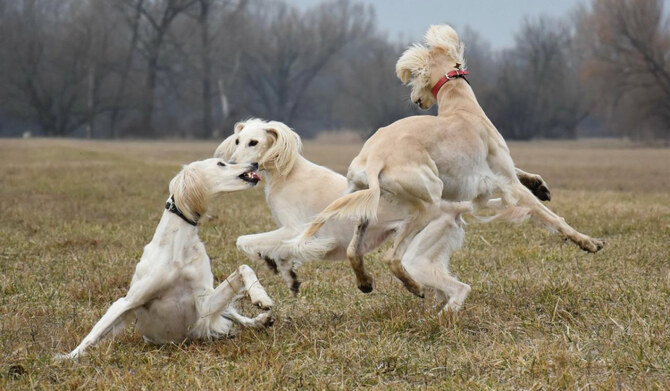
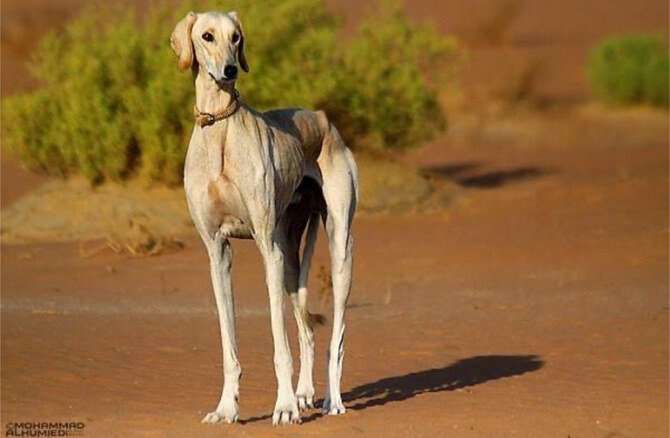

RIYADH: The Arabian saluki, which is believed to have originated in the Middle East, is one of the oldest purebred dogs in the world. It has been a loyal companion to Bedouin peoples dating back at least 5,000 years.
Now, however, it faces the threat of extinction as a result of crossbreeding but the International Aseel Arabian Saluki Center in Saudi Arabia is working hard to ensure it survives.
Unlike some breeds that rely primarily on sense of smell for hunting, salukis are sighthounds, meaning they visually identify prey. Known for their agility, intelligence and an impressive ability to take down prey, salukis long served Arab Bedouin tribes as hunters.

Fahad Al-Farhan, the president of The International Aseel Arabian Saluki Center. (Supplied/IAASC)
Fahad Al-Farhan, the president of the IAASC, explained the significance of the saluki to the region.
Arabian salukis are “deeply rooted in our culture and one of our main symbols of our national identity with falcons, Arabian horses and camels,” Al-Farhan told Arab News.
“The Arabian saluki and the traditional way of hunting is a vital part of Arabian culture and heritage.
FASTFACT
The Arabian saluki dates back 5,000 years but faces the threat of extinction due to crossbreeding, the loss of traditional desert habitats and lifestyle changes in region.
“In the old days, salukis were indispensable hunting companions, securing the existence of many of the Bedouin families.
“They are graceful and fast and they distinguish themselves with their endurance.”
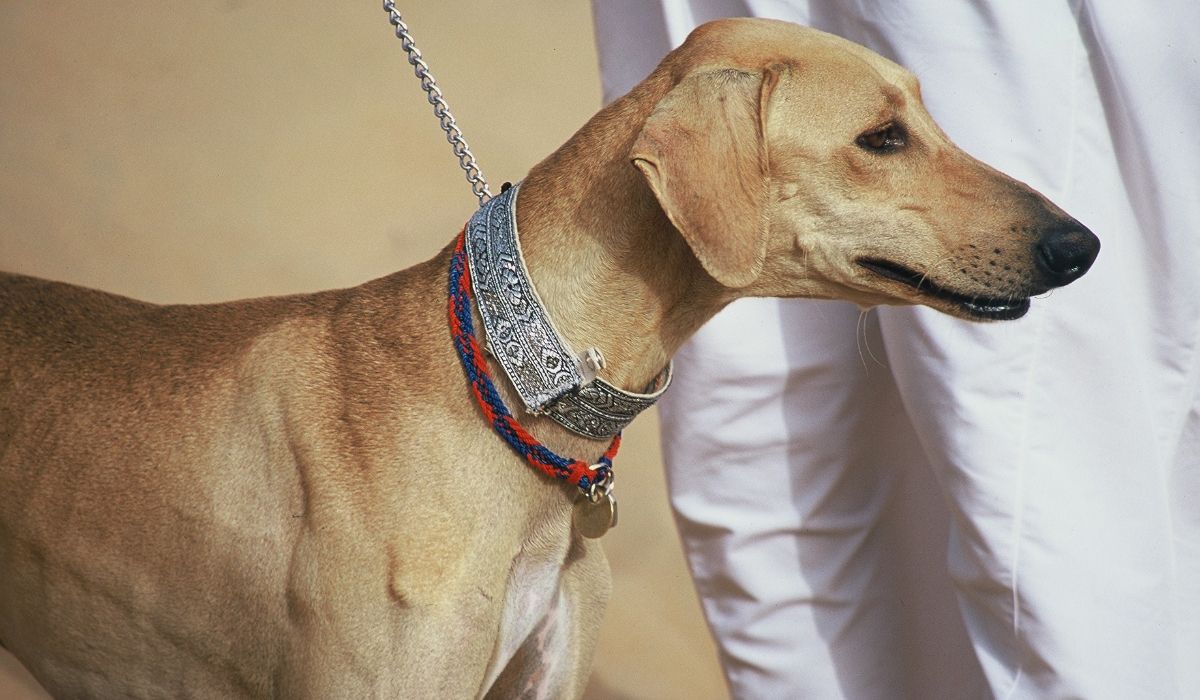
Unlike some breeds that rely primarily on sense of smell for hunting, salukis are sighthounds, meaning they visually identify prey. (Supplied/IAASC)
He noted the loyalty of the breed, quoting a proverb that states: “Only the owner sees the true face of a saluki.”
The animals are very attached to their families and loyal to their masters, said Al-Farhan, who is also president of the World Aseel Arabian Saluki Organization and the Saudi Kennel Club Union.
“Although the Arabian salukis are natural born hunters, they are calm and even-tempered representatives of their species,” he added.
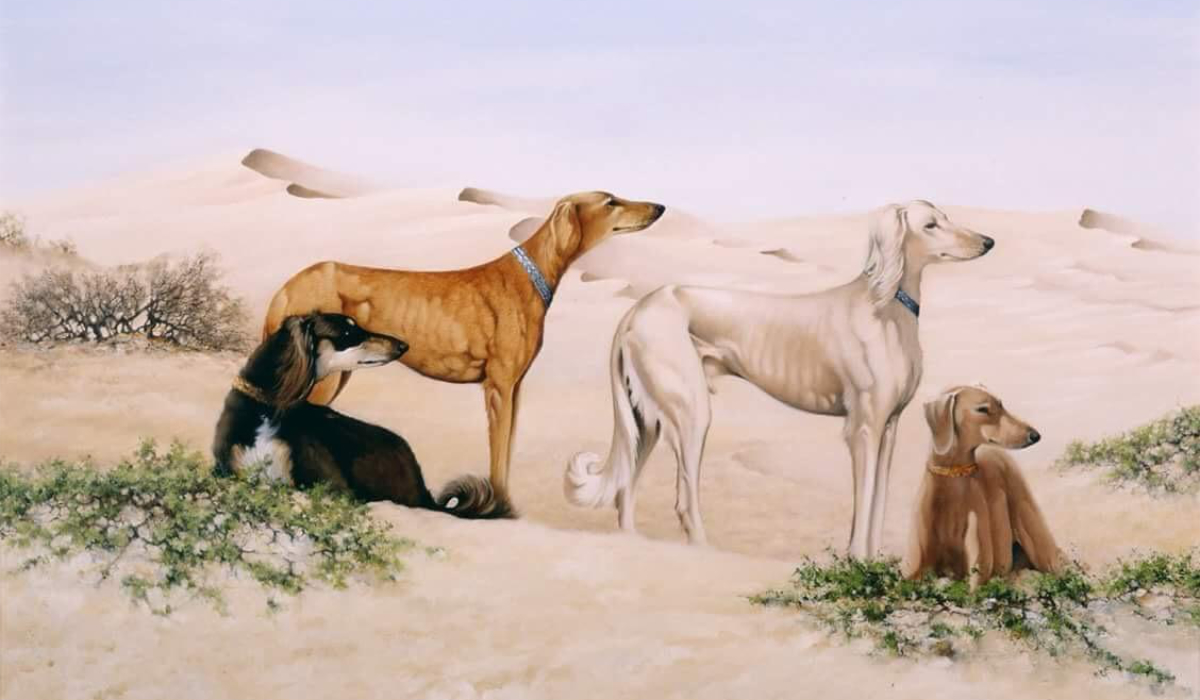
Arabian saluki dates back 5,000 years but faces the threat of extinction due to crossbreeding, the loss of traditional desert habitats and lifestyle changes in region. (Supplied/IAASC)
“They are also very curious and you even get the impression that they have a great sense of humor.”
However, the rapid economic growth of the region in the modern era has endangered the natural desert environments that were the traditional habitats not only of the saluki but other Arabian species including falcons, horses and camels, he warned.
“The deserts and Arab lifestyles that created the circumstances in which the Arabian horse, camels and the saluki flourished now no longer exist,” Al-Farhan said
“As a part of the cultural heritage of Arabian hunting, Bedouins have been breeding Arabian salukis for thousands of years (but) the saluki may be lost to our future generations unless steps are taken to preserve it.”
The Arabian Aseel Saluki Center in Saudi Arabia has a long list of members that includes saluki owners abroad, Al-Farhan added, and it works to raise public awareness of breeding standards.
It offers veterinary services worldwide, including health checks and vaccinations, health certificates, micro-chipping and DNA testing, together with advice about grooming and travel arrangements for owners moving their dogs to another country.
Al-Farhan said that the IAASC is working to register the Arabian saluki on UNESCO’s Intangible Cultural Heritage List, which recognizes and helps to preserve endangered cultural traditions and practices.
“We believe that the inscription of the Arabian saluki hound of Arabia (on the UNESCO lists) will promote the visibility of its heritage locally and worldwide,” he added.


