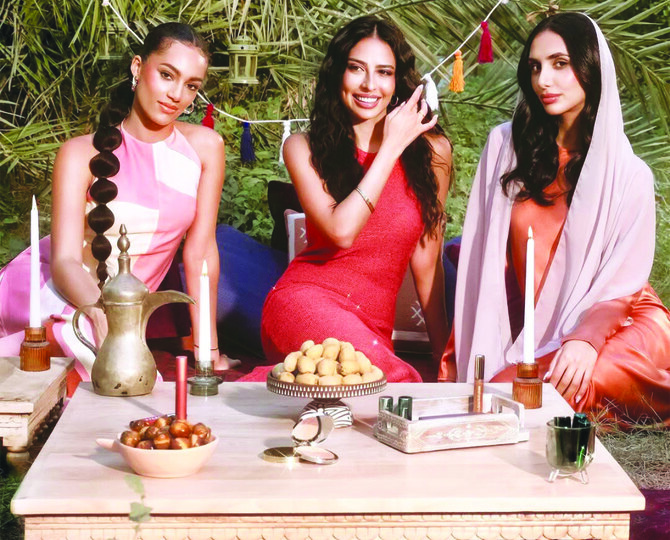

RIYADH: Women in Saudi Arabia have been embracing a more natural approach to their beauty routines in recent years, focusing on sustainability, health and authenticity over heavy makeup and curated perfection.
Arab News spoke to several women who described how this trend reflects a deep alignment with personal and societal values — prioritizing routines that enhance their natural features while promoting overall well-being and environmental sustainability.
For Laila Al-Ghamdi, this change is personal. “A few years ago, I would say natural beauty was everything to me. As a young teenager, my whole world used to revolve around the epitome of beauty,” she said. “Nowadays, healthier choices are influencing my decisions, and ironically, they’re the ones that make me prettier.”

LOCA focuses on ‘natural ingredients and sustainable packaging.’ (Instagram/locabeautysa)
This shift is supported by local brands that cater to these changing standards. One standout is LOCA Beauty, a Saudi brand with a focus on sustainability that was founded in 2018.
“LOCA Beauty was born out of a desire to provide innovative solutions that align with the Saudi lifestyle,” said Mai Al-Mohaimeed, marketing director of LOCA. “We focus on natural ingredients and sustainable packaging, which resonates deeply with our customers.”
Similarly, Asteri, another brand, empowers women with vegan products that withstand harsh weather conditions while celebrating the region’s natural beauty.
Beauty is no longer about fitting into a mold. It’s about feeling good in your own skin and celebrating who you are.
Munira Al-Ahmad, Local
Sustainability is central to the natural beauty movement in Saudi Arabia. Consumers are increasingly conscious of the environmental and health effects of their purchases. Local brands are rising to meet this demand with eco-friendly materials and safe ingredients.
Glossig, inspired by Saudi Arabia’s desert landscapes, combines cultural storytelling with artistic innovation to enhance individuality. Meanwhile, Mai Ward and Jayla emphasize sustainability and luxury — Mai Ward celebrates Saudi heritage through handcrafted, sustainable products, while Ladeena focuses on organic solutions, delivering skin-friendly products infused with natural oils and butters.

Glossig is inspired by Saudi Arabia’s desert landscapes. (Instagram/glossigcosmetic)
For women like Rawan Al-Zahrani and Munira Al-Ahmad, these brands have become trusted choices.
“I love how LOCA products feel luxurious yet sustainable. Their makeup products are my go-to because they offer such an amazing glow to my skin,” Al-Zahrani said.
Al-Ahmad, meanwhile, praised Asteri for its innovative solutions. “Asteri’s products feel like they’re made for me — lightweight but effective, perfect for our environment,” she said.

Saudi women are increasingly embracing a more natural approach to their beauty routines. (@locabeautysa)
Social media has also played a transformative role in this cultural shift. Platforms such as Instagram have become spaces for clean beauty enthusiasts to share tips and inspire others. Influencers highlight natural products and promote mindful consumerism.
“I follow several Saudi influencers who promote natural beauty and share tips on skincare and makeup,” Al-Zahrani said. “Their advice has helped me simplify my routine and focus on products that work for me.”
While local brands are thriving, they face significant challenges in competing with international giants. In a market saturated with global names it is difficult for smaller brands to stand out.

Asteri Beauty is a Saudi brand that offers vegan products. (Supplied)
“Being a local beauty brand presents both opportunities and challenges,” Al-Mohaimeed said. “This also provides us with an opportunity to emphasize what sets us apart — our deep understanding of the Saudi market and the cultural nuances that shape our consumers’ needs.”
Changing beauty standards also reflect a generational change. Younger Saudis are more open to challenging traditional norms and exploring new ideas, driving innovation in the beauty industry. Natural beauty is becoming more about celebrating individuality and authenticity.
“Beauty is no longer about fitting into a mold,” Al-Ahmad said. “It’s about feeling good in your own skin and celebrating who you are.”
By choosing products and routines that align with their values, Saudi women are redefining the beauty industry, shaping a more sustainable future one natural step at a time.