GENEVA: The WHO chief called Monday for the immediate release of Hossam Abu Safiyeh, director of Gaza’s Kamal Adwan Hospital, who is being held by Israel’s military following a major raid on the facility.
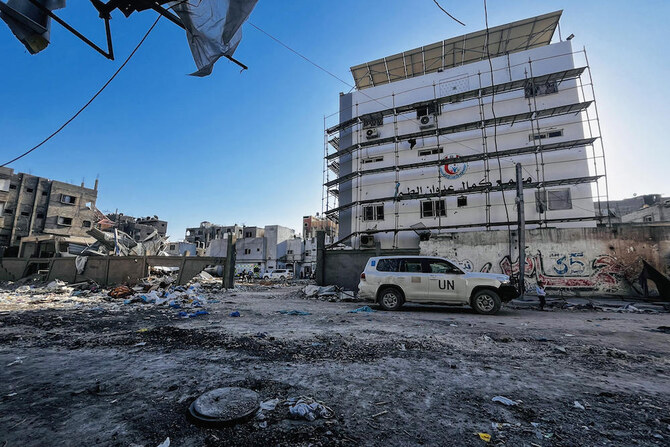
The Friday-Saturday assault on Kamal Adwan in Beit Lahia left northern Gaza’s last major health facility out of service and emptied of patients, the World Health Organization said.
“Hospitals in Gaza have once again become battlegrounds and the health system is under severe threat,” WHO director-general Tedros Adhanom Ghebreyesus said on X.
“Kamal Adwan Hospital in northern Gaza is out of service following the raid, forced patient and staff evacuation and the detention of its director. His whereabouts are unknown. We call for his immediate release.”
Israel’s military said Sunday that its forces had killed approximately 20 Palestinian militants and apprehended “240 terrorists” in the raid, calling it one of its “largest operations” conducted in the territory.
The military also said had detained Abu Safiyeh, suspecting him of being a Hamas militant. When asked if he had been transferred to Israeli territory for further questioning, the military did not offer an immediate comment.
Tedros said the patients in critical condition at Kamal Adwan had been moved to the Indonesian Hospital, “which is itself out of function.”
“Amid ongoing chaos in northern Gaza, WHO and partners today delivered basic medical and hygiene supplies, food and water to Indonesian Hospital and transferred 10 critical patients to Al-Shifa Hospital,” he said.
“We urge Israel to ensure their health care needs and rights are upheld.”
He said seven patients along with 15 caregivers and health workers remained at the “severely damaged” Indonesian Hospital, “which has no ability to provide care.”
“Al-Ahli Hospital and Al-Wafa Rehabilitation Hospital in Gaza City also faced attacks today and both are damaged,” Tedros added.
“We repeat: stop attacks on hospitals. People in Gaza need access to health care. Humanitarians need access to provide health aid.”
Since October 6 this year, Israeli operations in Gaza have focused on the north, with officials saying their land and air offensive aims to prevent Hamas from regrouping.


![]()

WHO demands Israel release Gaza hospital director
Short Url
https://arab.news/v8wdt
WHO demands Israel release Gaza hospital director
- Assault on Kamal Adwan in Beit Lahia left northern Gaza’s last major health facility out of service and emptied of patients
- Al-Ahli Hospital and Al-Wafa Rehabilitation Hospital in Gaza City also faced Israeli attacks and both are damaged


Latest updates


© 2026 SAUDI RESEARCH & PUBLISHING COMPANY, All Rights Reserved And subject to Terms of Use Agreement.