ASTANA: An Azerbaijan Airlines passenger jet crashed on Wednesday in western Kazakhstan, killing 38 of the 67 people on board, officials said.
The Embraer 190 aircraft that was supposed to fly northwest from the Azerbaijani capital Baku to the city of Grozny in Chechnya in southern Russia instead flew across the Caspian Sea and went down near the city of Aktau in Kazakhstan.
The plane’s course on Flight Radar showed it flying away from its normal route and then circling over the area where it eventually crashed near Aktau, which is an oil and gas hub on the eastern shore of the Caspian Sea.
“The situation is not very good, 38 dead,” Russia’s Interfax news agency quoted Kazakh Deputy Prime Minister Kanat Bozumbayev as saying.
Azerbaijan Airlines reported that 67 people were on board — 62 passengers and five crew members.
The Kazakh emergency situations ministry reported earlier in the day that “28 survivors including two children have been hospitalized.”
The Kazakh transport ministry said the plane was carrying 37 nationals from Azerbaijan, six from Kazakhstan, three from Kyrgyzstan and 16 from Russia.
“A plane doing the Baku-Grozny route crashed near the city of Aktau. It belongs to Azerbaijan Airlines,” the Kazakh transport ministry said on Telegram.
Azerbaijan Airlines, the country’s flag carrier, said the plane “made an emergency landing” around three kilometers (1.9 miles) from Aktau.
Kazakhstan said it had opened an investigation.
Azerbaijani President Ilham Aliyev declared Thursday a day of national mourning and canceled a planned visit to Russia for an informal summit of leaders of the Commonwealth of Independent States (CIS), a grouping of former Soviet nations.
“We cannot disclose any investigation results at this time,” the office of Azerbaijan’s prosecutor general said in a statement.
“All possible scenarios are being examined, and the necessary expert analyzes are underway,” it added.
It said an investigative team led by the deputy prosecutor general of Azerbaijan has been dispatched to Kazakhstan and is working at the crash site.
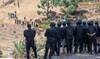
The Kazakh emergency situations ministry said its staff put out a fire which broke out when the plane crashed.
It said 150 emergency workers were at the scene.
The health ministry said a special flight was being sent from the Kazakh capital Astana with specialist doctors to treat the injured.
Aliyev’s office said the president “ordered the prompt initiation of urgent measures to investigate the causes of the disaster.”
“I extend my condolences to the families of those who lost their lives in the crash... and wish a speedy recovery to the injured,” Aliyev said in a social media post.
Russian President Vladimir Putin held a phone conversation with Aliyev and also “expressed his condolences in connection with the crash,” his spokesman Dmitry Peskov told a news conference.
A Russian emergency situations ministry had been sent to Aktau with medical personnel and other equipment, Putin said later as he opened the CIS leaders’ meeting in Saint Petersburg.
Azerbaijan’s first lady Mehriban Aliyeva, who is also the country’s first vice president, said she was “deeply saddened by the news of the tragic loss of lives in the plane crash near Aktau.”
“I extend my heartfelt condolences to the families and loved ones of the victims. Wishing them strength and patience! I also wish a speedy recovery to the injured,” she said on Instagram.
Chechen leader Ramzan Kadyrov said on Telegram: “I express my condolences to the relatives of the passengers of the Azerbaijan Airlines jet who died.”


![]()

38 dead as Azerbaijani jet crashes in Kazakhstan

Short Url
https://arab.news/c542x
38 dead as Azerbaijani jet crashes in Kazakhstan
- The plane’s course on Flight Radar showed it flying away from its normal route and then circling over the area where it eventually crashed near Aktau
- Azerbaijan Airlines reported that 67 people were on board — 62 passengers and five crew members


Latest updates



© 2026 SAUDI RESEARCH & PUBLISHING COMPANY, All Rights Reserved And subject to Terms of Use Agreement.