ISLAMABAD: More than 54,000 applications have been received from across Pakistan under the Hajj scheme run by the federal government, the religious affairs ministry said, as the process to apply ends today, Tuesday.
Saudi Arabia has allotted Pakistan a total quota of 179,210 pilgrims for the upcoming Hajj pilgrimage, to be divided equally between the government and private schemes. Around 15 designated Pakistani banks started receiving applications for Hajj 2025 from intending pilgrims on Nov. 18. The deadline to file Hajj applications is Dec. 3 while the draw for the government scheme will be held on Dec. 6.
“Tomorrow [Tuesday] is the last day for receiving Hajj applications in the government scheme,” a spokesman for the religious affairs ministry said in a statement. “More than 54,000 applications have been received from across the country so far.”
The religious affairs ministry announced the country’s Hajj 2025 policy last month, under which pilgrims can pay fees for the annual pilgrimage in installments for the first time.
Under the government scheme, the first installment of Hajj dues, Rs200,000 ($717), must be deposited along with the Hajj application, while a second installment of Rs400,000 ($1,435) has to be deposited within ten days of the balloting. The remaining amount has to be deposited by Feb. 10 next year.
Pakistan’s religious affairs ministry has launched the “Pak Hajj 2025” mobile application to guide and facilitate pilgrims. The app is available for both Android and iPhone users.
The Pakistan government has also announced a significant reduction in airfares for Hajj 2025, with a Rs14,000 drop in ticket prices. Pilgrims enrolled in the federal program will now pay Rs220,000 for airfare, down from last year’s Rs234,000. National carrier Pakistan International Airlines (PIA), Saudi Airlines, and other private airlines have agreed to the relief package, according to the Pakistan government.


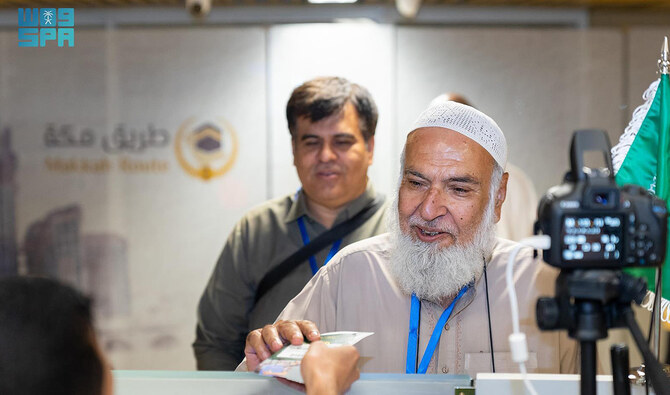
![]()

Over 54,000 applications received as Pakistan government Hajj scheme concludes today
Short Url
https://arab.news/n28wt
Over 54,000 applications received as Pakistan government Hajj scheme concludes today
- Deadline to file Hajj applications is Dec. 3, draw under government scheme will be held on Dec. 6
- Saudi Arabia has allotted Pakistan a quota of 179,210 pilgrims for upcoming Hajj pilgrimage
Latest updates


Recommended


© 2026 SAUDI RESEARCH & PUBLISHING COMPANY, All Rights Reserved And subject to Terms of Use Agreement.