

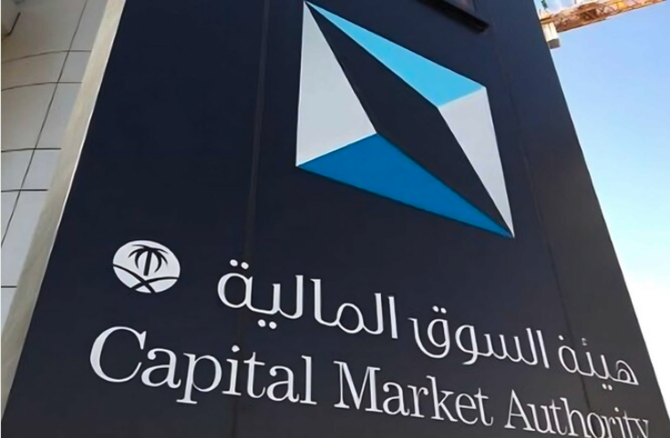

RIYADH: Saudi Arabia’s Capital Market Authority is seeking to attract more foreign investments and improve market accessibility by inviting feedback on proposed amendments to account procedures.
The proposed changes aim to align the Kingdom’s capital market with global regulatory and technological advancements, making it easier for local and international investors to open accounts.
The body is looking for feedback on the proposals, which also include opening doors for non-profit organizations and endowment funds to invest, diversifying the base.
The consultation period will last for 30 days, ending on Dec. 20.
Key changes include the introduction of a new category allowing individual foreign investors residing in the Gulf Cooperation Council countries to invest in shares listed on the Saudi main market directly.
“As global markets continue to expand and evolve, the next phase necessitates enhancing the international presence of the Saudi capital market and increasing its appeal to investors across the region,” according to data revealed by CMA to Arab News.
The data also highlighted that, in practical terms, the CMA has been working to remove regulatory challenges and develop mechanisms to foster the growth of foreign investments in the Saudi capital market.
This comes as the CMA also seeks public feedback on amendments to investment fund regulations particularly in the retail market. The changes aim to improve protections for retail investors, building on the 2021 rule that allowed individual investments up to SR200,000 ($53,245).
Previously, these investors were limited to trading in the debt market, the parallel market Nomu, investment funds, and derivatives, with their main market involvement restricted to swap agreements through capital market institutions.
The proposed amendments will provide these investors with direct access to the main market, potentially attracting more foreign capital, enhancing liquidity, and supporting the local economy.
The CMA is also seeking to simplify the process for opening and operating investment accounts for various types of capital market institution clients.
This includes easing the requirements for endowments, further broadening the investor base, and enhancing access to the Saudi market.
These reforms reflect the Kingdom’s ongoing efforts to modernize its capital market, making it more inclusive, competitive, and appealing to local and international investors.
The CMA is enabling former residents of Saudi Arabia and the GCC to retain access to the market even after relocating, boosting investor confidence.
The authority’s proposal also opens doors for non-profit organizations and endowments to invest, diversifying the investor base.
According to CMA’s data to Arab News, by the end of the first half of 2024, the value of foreign ownership in the capital market had reached SR402.43 billion, increasing by approximately 5.6 times since Dec. 2015, the year foreign investment was first allowed in the Saudi capital market.
In Dec. 2015, the value was SR72.15 billion, reflecting the various facilitations provided by the market, which contributed to attracting these investments.
“The Saudi Market continues to develop regulatory frameworks and supportive laws to attract foreign investments, promote inclusion in global indices, and offer attractive investment opportunities for international investors,” CMA’s data emphasized.
Through adopting various strategic initiatives, the aim is to diversify the investor base and participants in the market, helping the Saudi capital market to become a leading regional and global financial hub.
On Nov. 13, CMA approved its largest regulatory overhaul to date for the sukuk and debt instruments market, marking a significant step in the country’s financial sector development.
The newly approved changes introduce key amendments to the rules on the offer of securities and continuing obligations, particularly related to the issuance of debt instruments.
These adjustments simplify prospectus requirements for public, private, and exempted offerings, streamlining the process and reducing regulatory burdens.
The changes will take effect as soon as they are published and are designed to attract a wider range of issuers and foster deeper investment in the market.


