

Where We Are Going Today: ‘Balcona 99’ Egyptian cuisine in Jeddah

1 / 7
Photo/Supplied
2 / 7
Photo/Supplied
3 / 7
Photo/Supplied
4 / 7
Photo/Supplied
5 / 7
Photo/Supplied
6 / 7
Photo/Supplied
7 / 7
Photo/Supplied
Short Url
Updated 19 November 2024
Follow

Where We Are Going Today: ‘Balcona 99’ Egyptian cuisine in Jeddah

  • The menu is a tribute to the diverse and flavorful dishes of Egypt

Balcona 99, in As-Salamah in Jeddah, has been delighting diners with its authentic Egyptian cuisine, offering an experience rooted in tradition.

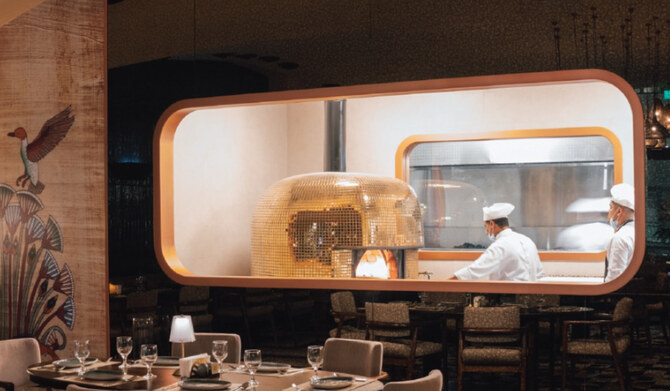
The ambiance captivates from the moment one enters, with intricately carved hieroglyphics and symbolic artwork evoking Egyptian heritage.

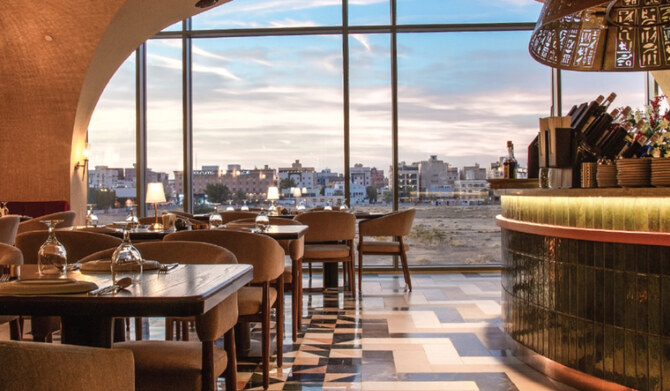
Traditional melodies, warm decor and striking geometric tiles come together to create a space that feels both vibrant and welcoming.

Guests can choose between the elegant dining area, the cozy lounge ideal for shisha or the outdoor terrace, which becomes especially appealing during the cooler months.

The menu is a tribute to the diverse and flavorful dishes of Egypt. To start, the appetizers set the tone for an unforgettable meal.

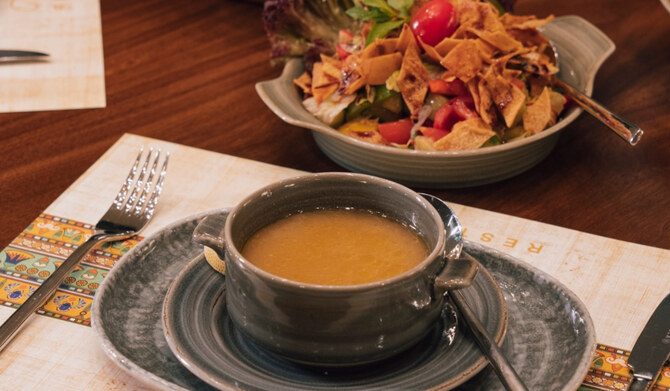
The fattoush and hummus are light and refreshing, while the roqaq meat, a crispy, flaky pastry filled with spiced meat, stands out as a favorite, especially when paired with the zesty chili sauce.

Mombar, stuffed eggplants, zucchini and peppers, also offer a delicious glimpse into Egyptian culinary artistry.

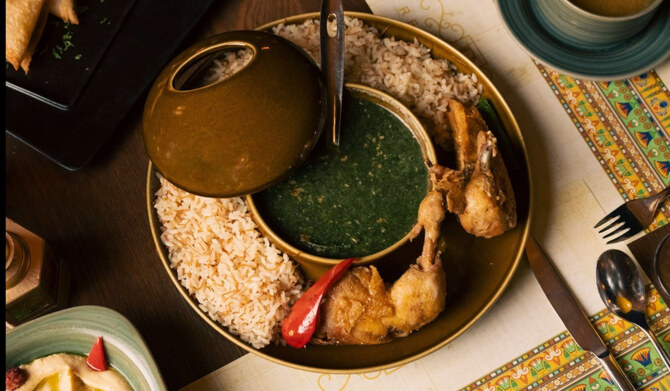
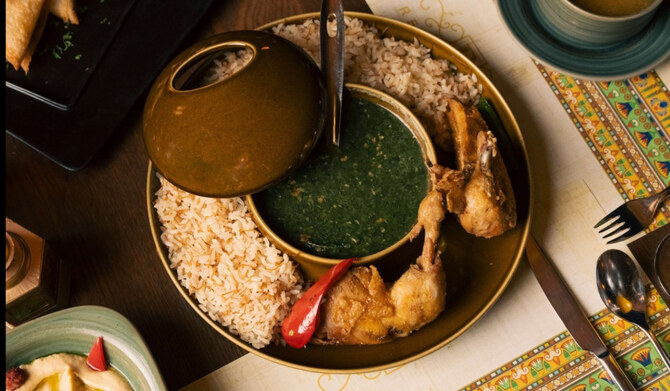
Moving on to the mains, the tawajen section features oven-baked rice paired with duck, pigeon, quail, chicken or other meat, alongside stews such as daoud basha and potato with chicken or meat.

The okra with meat stew is particularly delightful, its tender beef simmered in a fragrant tomato broth. The Egyptian fatta, served with trotters, lamb chops or chicken, is a hearty and satisfying choice that reflects the comfort food aspect of the cuisine.

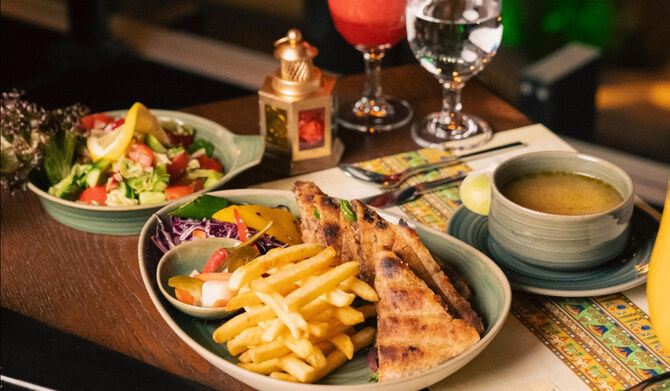
For those who enjoy grilled dishes, the selection includes succulent quails, pigeon stuffed with rice, veal brochettes, kofta, lamb chops and beef liver.

Each is prepared to perfection, offering smoky, juicy flavors that leave a lasting impression. Classic dishes such as Balcona koshari and veal escallop pane add even more variety to the feast.

Desserts at Balcona 99 are the perfect conclusion to a rich meal. Whether it’s the soft, syrup-drenched balah el-sham, the creamy rice pudding, or the indulgent cheese kunafa, each dessert showcases the sweet simplicity of Egyptian flavors.

Check @balcona.sa on Instagram for more details.


Chef serves up a taste of Spain at Ithra Cultural Days in Saudi Arabia 

Updated 20 January 2026
Follow

Chef serves up a taste of Spain at Ithra Cultural Days in Saudi Arabia 

DHAHRAN: Among the attractions of the Ithra Cultural Days: Spain at the King Abdulaziz Center for World Culture (Ithra), visitors can try a tantalizing selection of Spanish foods — none more renowned than its famous paella. 

Arab News spoke with chef Jose Zafra at the event, which runs until Jan. 31, who flew in from Spain to offer a taste of his homeland to the people of Saudi Arabia. 

A “master rice cook, paella researcher and promoter,” according to his business card, his logo is even designed around the recognizable cooking pan and the phrase “Pasion por la paella,” or “Passion for paella.”

“That's why the pan is round because people get around and eat all together — to share culture and passion and life,” Zafra told Arab News as foodies lined up behind him, eager to try a plateful.

Arab News spoke with chef Jose Zafra at the event, which runs until Jan. 31. (Supplied)

“It’s not just a food. It’s a link, a connection. Paella is the symbol of unity and sharing. And people now are going to try it — authentic Spanish paella in Saudi Arabia.”

The word “paella” comes from the Latin “patella,” meaning pan.

In Spanish, it refers both to the rice dish itself and the pan in which it is cooked.

Paella was introduced to Spain during Moorish rule. It originated in Valencia, on the country’s eastern coast, as a rural peasant dish that was cooked by farm workers over open fires using local ingredients. Over time, the dish’s popularity spread and other versions evolved, for example featuring seafood and meat.

It is different to Saudi Arabia’s kabsa, a communal dish which similarly uses rice and meat. Kabsa is cooked in a deep pot to ensure the rice stays soft and aromatic from the meaty broth, whereas paella uses a wide, shallow pan to fully absorb flavors evenly, often creating a prized crispy layer at the bottom. 

Visitors to Ithra’s Culture Days can enjoy the flavors of Spain made with a sprinkling of local love — true to the origins of the dish.

Find the scoops of Spanish joy near the food truck area and try chicken paella, seafood paella —or both! You will see the signs offering a plate, at SR35 ($9) for chicken and SR40 for seafood, or let your nose lead you there.

Zafra concluded: “The chicken is from here, the seafood is from here — and the passion, well, that is from Spain.”