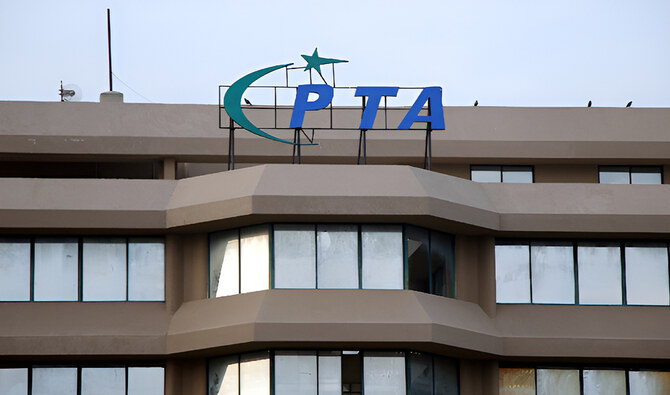
ISLAMABAD: The Ministry of Interior sent a letter to the Pakistan Telecommunications Authority (PTA) on Friday, asking it to block illegal Virtual Private Networks (VPNs) across the country while citing their use by militant groups for financial transactions and violent activities.
This directive follows international criticism of Pakistan’s Internet restrictions, notably after the February general elections, where allegations of electoral manipulation led to the blocking of social media platform X.
Media reports also suggested the government was setting up a national firewall, which had led to the slowdown of Internet speed across Pakistan, saying the decision was taken to curb “anti-state narratives” by political activists.
More recently, the PTA launched a new portal for VPN registration, saying it wanted to ensure secure and uninterrupted operations for online users and businesses.
“I am directed to refer to the subject cited above [about blockage of illegal VPNs] and to state that VPNs are increasingly being exploited by terrorists to facilitate violent activities and financial transactions in Pakistan,” the ministry’s letter to the PTA chairman noted.
“Of late, an alarming fact has been identified, wherein VPNs are used by terrorists to obscure and conceal their communications,” it added. “VPNs are also being used for discreetly access pornographic and blasphemous contents.”
Earlier this week, the PTA already disclosed that nearly 20 million Pakistanis try to access pornographic websites on a daily basis that were banned by the authorities in 2011.
The letter requested the top PTA official to block illegal VPNs nationwide while pointing out that registration of VPNs with PTA could be made the end of the ongoing month.
VPN users in Pakistan have already reported significant disruptions to services since last weekend, with issues relating to connectivity and restricted access.
Pakistan’s decision to impose online restrictions have been questioned by free speech activists and businesses alike.
PREDA, Pakistan’s first membership-based organization dedicated to promoting and protecting the interests of professionals, also wrote a letter to the government earlier in the day, appealing for the adoption of stable digital policies to support growth and build an eco system for global competitiveness.

Pakistan government orders VPN ban, Islamic advisory council declares them ‘un-Islamic’
https://arab.news/8k5tb
Pakistan government orders VPN ban, Islamic advisory council declares them ‘un-Islamic’
- Interior ministry says ‘terrorists’ have been exploiting VPN services for violence, financial transactions
- Government has set up a portal for VPN registration, which can be done by the end of the ongoing month
Pakistan refineries urge regulator to curb fuel imports, citing supply chain risks
- Industry cites rules requiring priority use of locally refined fuel
- Dispute highlights pressure on Pakistan’s energy security and refinery viability
ISLAMABAD: Pakistan’s major oil refineries this week jointly urged the country’s energy regulator to step in and limit fuel imports, warning that excessive reliance on overseas supplies is undermining domestic refining operations and threatening the stability of the national oil supply chain.
In a letter sent to the Oil and Gas Regulatory Authority (OGRA), the chief executives of Attock Refinery Limited, Pakistan Refinery Limited, National Refinery Limited, Pak-Arab Refinery Limited and Cnergyico PK said current regulatory decisions were allowing imported petroleum products to displace locally refined fuel, despite rules requiring domestic output to be prioritized.
OGRA is Pakistan’s federal regulator responsible for overseeing oil and gas markets, including licensing, pricing frameworks and supply planning. The dispute comes as Pakistan, which imports most of its crude oil and refined fuel, seeks to balance energy security concerns with cost pressures and foreign exchange constraints.
“As clearly stipulated in Rule 35(g) of the Pakistan Oil (Refining, Blending, Transportation, Storage, and Marketing) Rules, 2016, the upliftment of locally produced refinery products must be prioritized before any imports are considered,” the refineries wrote in a letter dated Dec. 10. “Unfortunately, the excessive imports allowed by OGRA have worsened the situation on ground.”
Rule 35(g) requires that fuel produced by Pakistan’s refineries be taken up by oil marketing companies before additional imports are approved, a provision designed to protect local refining capacity and ensure steady utilization of plants that are critical to national supply.
The refineries warned that continued preference for imports could disrupt operations, reduce refinery utilization rates and weaken Pakistan’s ability to respond to supply shocks, particularly for products such as aviation fuel and diesel. They called on OGRA to take “urgent and proactive intervention” to ensure timely off-take of locally produced fuel.
Pakistan’s refining sector has long struggled with aging infrastructure, limited upgrading and thin margins, while imports are often seen as cheaper or more flexible in the short term. However, industry officials argue that over-reliance on imports increases exposure to global price volatility, shipping disruptions and foreign exchange pressure.
The letter was also copied to the federal minister for energy, the secretary of the petroleum division and the director general of oil, indicating the issue has been escalated beyond the regulator to senior policymakers.
Energy analysts say the dispute underscores broader tensions in Pakistan’s energy market, where policy decisions must balance consumer prices, refinery survival and long-term energy security. Any regulatory shift could affect fuel availability, refinery investment plans and the country’s import bill at a time when Pakistan remains under economic strain.
OGRA has not yet commented on the letter.


