

20 million Pakistanis daily attempt to access porn sites, telecoms authority says

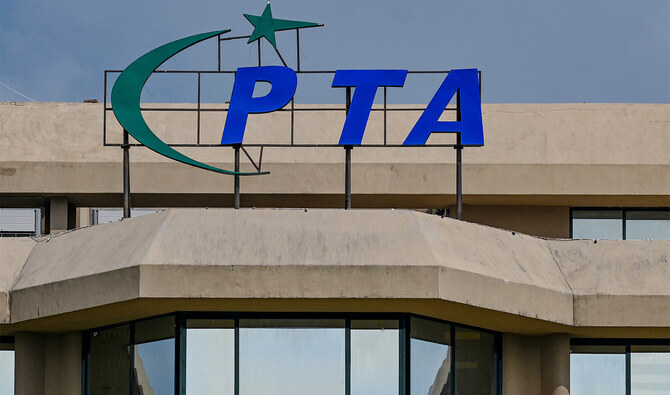
A logo of the Pakistan Telecommunication Authority (PTA) is seen on its headquarters building in Islamabad on August 16, 2024. (AFP/File)
Short Url
Updated 14 November 2024
Follow

20 million Pakistanis daily attempt to access porn sites, telecoms authority says

  • Latest figures from PTA come as it introduced a new portal for the registration of VPNs earlier this week 
  • Digital experts say government trying to block vital tools that allow users to bypass restrictions amid digital crackdowns

ISLAMABAD: The Pakistan Telecommunication Authority said on Thursday around 20 million Pakistanis were daily attempting to access pornographic websites, which authorities have banned since 2011.

In November 2011, the PTA announced it was in the process of banning the 1,000 most-frequented porn websites in Pakistan. In 2016, the government ordered Internet Service Providers to block more than 400,000 websites which contained pornographic content, while in 2019, around 800,000 additional porn sites were banned by the PTA. 

“There are approximately 20 million daily attempts from within the country to access pornographic websites which are blocked at the international gateway,” the PTA statement said. 

“However, users bypass restrictions via VPNs and access porn contents. PTA remains fully committed to curbing this issue, taking all necessary measures to block this content effectively.

“So far PTA has blocked a total of 100,183 blasphemous URLs and 844,008 pornographic websites.”

The latest figures from the PTA come as it introduced a new portal for the registration of VPNs on Tuesday, a move that is being widely seen as an attempt by the government to block vital tools that allow users to bypass government restrictions amid a wave of digital crackdowns. 

Pakistan has already blocked access to social media platform X since the February general elections, with the government saying the blocking was to stop anti-state activities and due to a failure by X to adhere to local Pakistani laws. Rights activists say the blocking is designed to stifle critical voices and democratic accountability in the country, which the government denies. 

VPN users in Pakistan reported significant disruptions to services last weekend (Nov. 9-10), with issues relating to connectivity and restricted access. Downdetector reported disruption to TunnelBear VPN and VPN Unlimited but none of the best VPNs appeared to be affected.

The Proton VPN Observatory, run by the developers of one of the most secure VPNs, Proton, reported a spike in VPN usage in Pakistan on Nov. 9 and recorded a 350 percent increase in VPN sign-ups in Pakistan over Nov. 9-10. 

There are also reports Pakistan is imposing a national firewall, which the Pakistan Software Houses Association (P@SHA) has said could cost the economy up to $300 million. In August, the Pakistan Business Council (PBC) warned that frequent Internet disruptions and low speeds caused by poor implementation of the firewall had led many multinational companies to consider relocating their offices out of Pakistan, with some having “already done so.”

Digital rights activists say Islamabad is implementing the Internet firewall to monitor and regulate content and social media platforms, but the government denies the firewall is meant for censorship purposes. 


Pakistan official vows to address trade challenges arising out of Afghan border closures

Updated 5 sec ago
Follow

Pakistan official vows to address trade challenges arising out of Afghan border closures

  • Pakistan closed key border crossings with Afghanistan in October following fierce clashes
  • Border crossings have led to financial losses, rising unemployment for traders on both sides

KARACHI: Prime Minister’s Coordinator on Commerce Rana Ihsaan Afzal on Wednesday reassured traders in the southwestern Chaman city that Islamabad would address issues arising out of the closure of Pakistan-Afghanistan border crossings since October. 

Pakistan closed its key border crossings with Afghanistan, including the one in Chaman, for trade and movement of people in October after fierce clashes between the two countries. Pakistan and Afghanistan both claimed to have killed scores of each other’s soldiers during the conflict. 

Traders on both sides have urged their governments to reopen the borders, saying that closures have caused financial losses and led to disruptions in perishable goods exports, rising unemployment and hardships for the local community dependent on cross-border trade. 

Afzal chaired a high-level consultative meeting with leaders, traders and community representatives from Chaman District and the Chaman Chamber of Commerce & Industry in Islamabad on Wednesday, the Pakistani commerce ministry said in a statement. 

“The coordinator reaffirmed the government’s commitment to addressing border trade challenges and ensuring that local communities continue to thrive,” the ministry said. 

The statement said Afzal noted the concerns raised by the stakeholders, stressing that resolving the issues of Chaman’s communities is a priority for the government.

Delegates spokes about the socio-econmic impact such as financial losses and rising unemployment due to the suspension of border trade between both sides. 

“The matters discussed will be escalated to relevant national and bilateral forums to seek sustainable solutions, with a focus on establishing predictable, transparent, and efficient border management protocols that balance security with legitimate trade,” the statement said. 

Ties between Islamabad and Kabul have remained strained since the Afghan Taliban seized power in Afghanistan in 2021. Pakistan has since then suffered a surge in militant attacks that it blames on militants based in Afghanistan, a charge Kabul denies. 

Tensions between the two sides have resulted in frequent border closures over the years, hampering trade and commerce. 

Islamabad has repeatedly accused the administration in Kabul of failing to take action against militant outfits such as the Tehreek-e-Taliban Pakistan (TTP) and the separatist Balochistan Liberation Army (BLA), which it alleges carry out attacks targeting Pakistan from Afghan soil. Kabul denies the allegations.

According to figures shared by the Pak-Afghan Joint Chamber of Commerce and Industry (PAJCCI) in October, the annual Pakistan-Afghan trade volume declined from $2.5 billion dollars to $10 million during the last two fiscal years.