BEIRUT: Israeli airstrikes on Lebanon over the last day have killed more than 20 people including several children, Lebanese authorities said on Saturday, after heavy Israeli bombardment pounded the southern suburbs of the capital Beirut overnight.
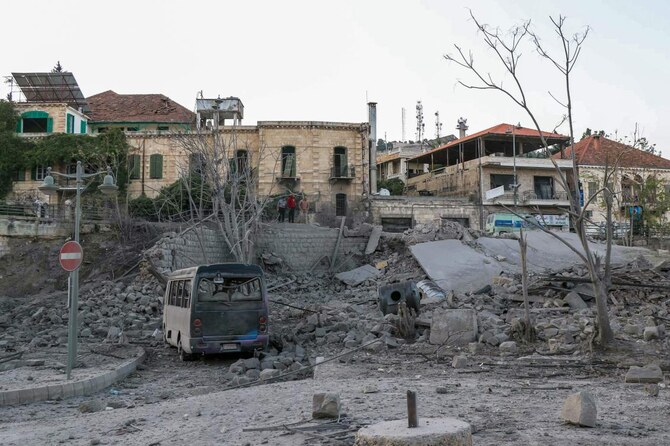
At least seven people were killed in the coastal city of Tyre late on Friday, Lebanon’s health ministry said. The Israeli military has previously ordered swathes of the city to evacuate but there were no orders published by the Israeli military spokesperson on social media platform X ahead of Friday’s strikes.
The ministry said two children were among the dead. Rescue operations were ongoing and other body parts retrieved in the aftermath of the attack would undergo DNA testing to identify them, the ministry added.
At least 16 more people were killed in Israeli strikes on Saturday across the eastern plains around the historic city of Baalbek, the area’s governor said in a post on social media platform X.
Israel’s military did not immediately respond to a request for comment.
The Lebanese health ministry said Israeli attacks have killed at least 3,136 people and wounded 13,979 in Lebanon over the last year. The toll includes 619 women and 194 children.
Israel has been locked in fighting with Lebanese armed group Hezbollah since October 2023, but fighting has escalated dramatically since late September of this year. Israel has intensified and expanded its bombing campaign, and Hezbollah has ramped up daily rocket and drone attacks against Israel.
The Iran-backed group announced more than 20 operations on Saturday, as well as one that it said fighters carried out the previous day against a military factory south of Tel Aviv.
More than a dozen Israeli strikes also hit the southern suburbs of Beirut overnight, once a bustling collection of neighborhoods and a key stronghold of Hezbollah.
Now, many buildings have been almost entirely flattened, with Hezbollah’s yellow flags jutting out from the ruins, according to Reuters reporters who were taken on a tour of the area by Hezbollah.
Some buildings were partially damaged by the strikes, leading some floors to collapse and sending furniture and other personal belongings spilling onto parked cars below.
Men and women were picking through the rubble for their belongings, shoving blankets and mats under their arms or into black plastic bags.
“We are trying to gather as many (of our possessions) as we can, so we can manage to live off them, nothing more,” said Hassan Hannawi, one of the men looking for his belongings.


![]()

More than 20 killed as Israeli strikes pound towns in Lebanon, Lebanese officials say
Short Url
https://arab.news/wfd9x
More than 20 killed as Israeli strikes pound towns in Lebanon, Lebanese officials say
- At least 16 more people were killed in Israeli strikes on Saturday across the eastern plains around the historic city of Baalbek
- The Lebanese health ministry said Israeli attacks have killed at least 3,136 people and wounded 13,979 in Lebanon over the last year


Latest updates


© 2026 SAUDI RESEARCH & PUBLISHING COMPANY, All Rights Reserved And subject to Terms of Use Agreement.