



MAKKAH: After qualifying at just 11 years old, Reman Assere officially became Saudi Arabia’s youngest calligraphy instructor.
Her journey started in fifth grade, sparked by a school activity. She began with basic exercises but, with continuous practice and self-learning through platforms such as YouTube, she steadily refined her skills.
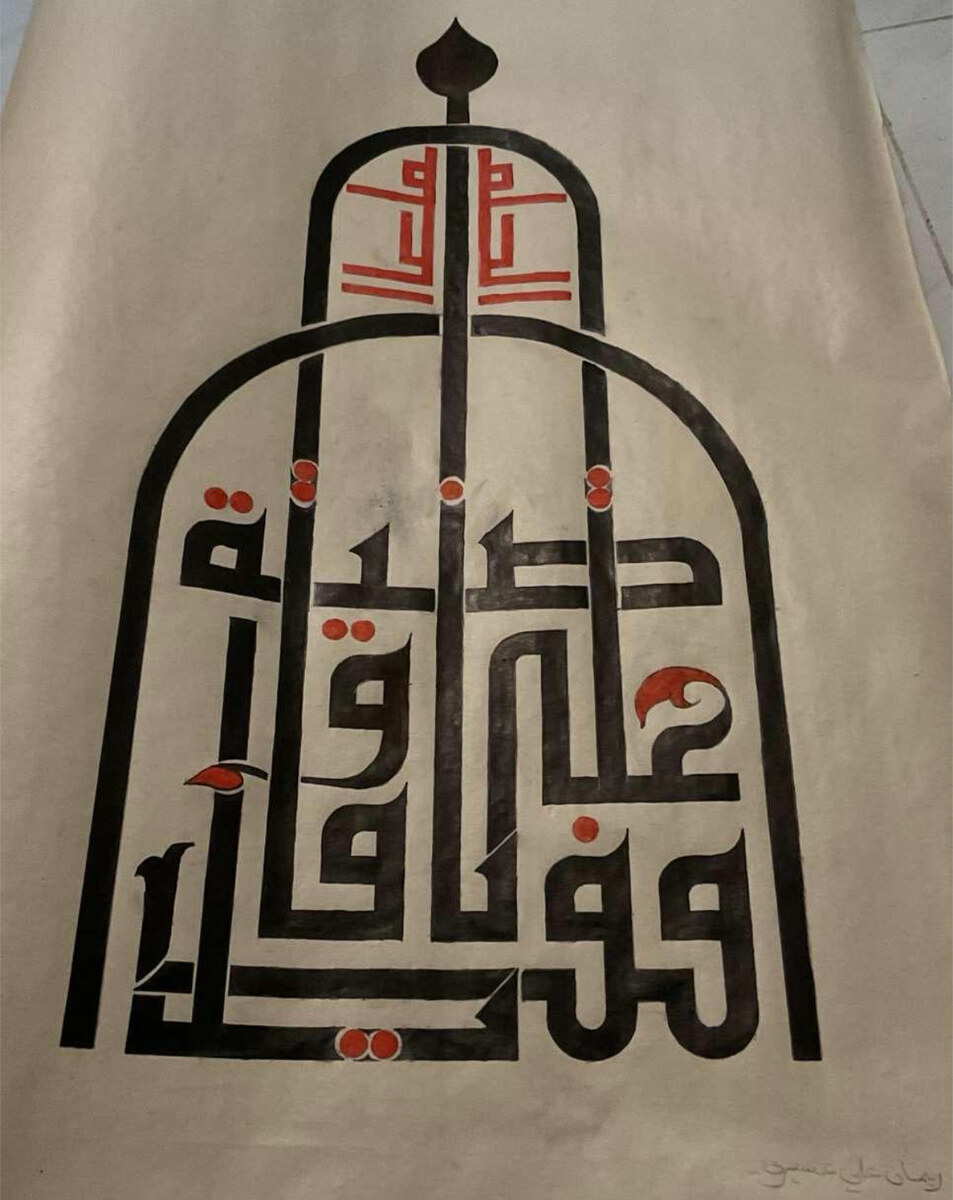
Arabic calligraphy is celebrated for its variety of styles, including Kufic, Naskh, Thuluth, Diwani, and Ruq’ah, each with a unique character and distinct lettering technique. (Supplied)
Her ambitions and her love of the art drove her to undertake professional training in Kufic calligraphy, believed to be the earliest example of a universal style of Arabic calligraphy. Once qualified, she was registered on the Ministry of Culture’s official platform, Al-Khattat.
What truly set her apart and caught people’s attention was her relentless dedication to learning. Even during vacations, she practiced tirelessly, seeking out special events and connecting with other calligraphers.
FASTFACT
Reman Assere’s ambitions and her love of the art drove her to undertake professional training in Kufic calligraphy.
Now aged 15, Assere told Arab News that her professional training was carried out under the guidance Shurooq Al-Harbi. She also highlighted the pivotal role played in her development by Prof. Siraj Al-Omari, whose ongoing support and encouragement were instrumental.
Today, Assere has become proficient in both in writing and teaching Kufic calligraphy and is expanding her expertise to include the Diwani style.
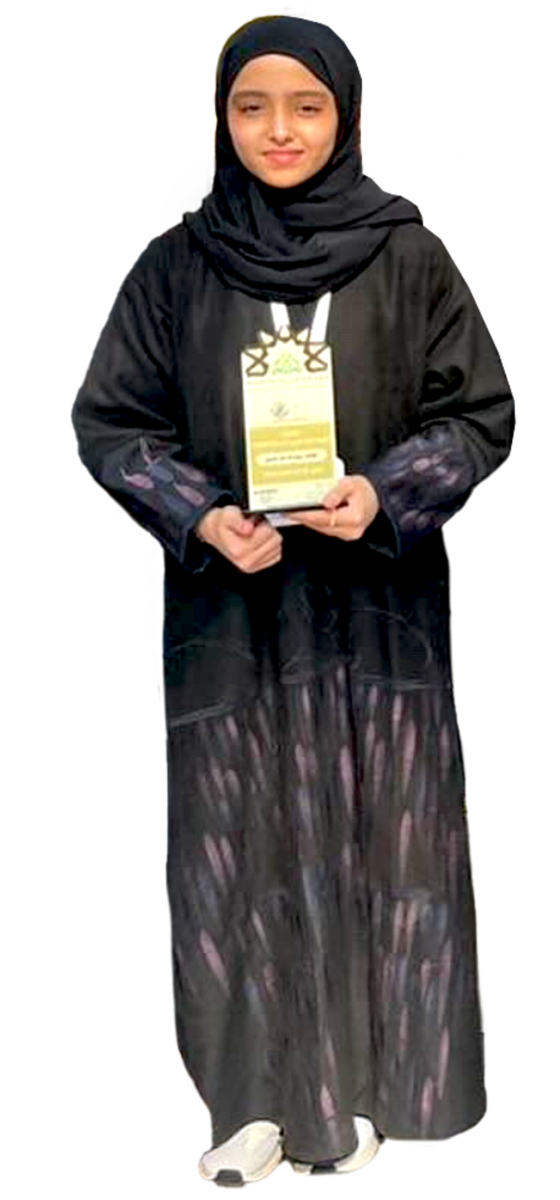
Reman Assere
However, her journey has been far from easy. A lack of calligraphy institutes in her native region of Abha posed considerable challenges and meant she had to rely on online courses or travel to other cities.
It was worth it, however. Her numerous awards include first place in the 2023 Cultural Skills Competition and the Ministry of Education’s National Olympiad for Arabic Calligraphy. She has also demonstrated her talents at prominent events, such as the Layalina Festival in Wadi Al-Dawasir and the Abha Shopping and Entertainment Festival.
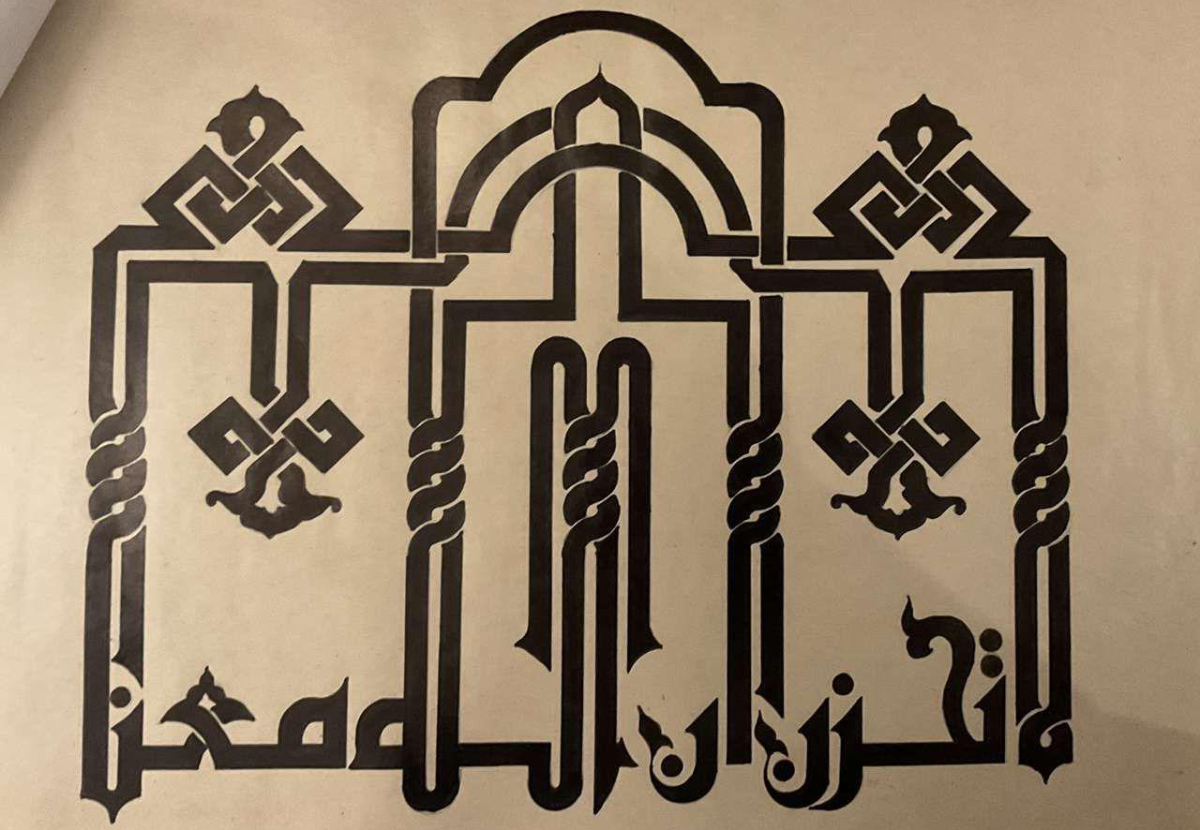
Arabic calligraphy is celebrated for its variety of styles, including Kufic, Naskh, Thuluth, Diwani, and Ruq’ah, each with a unique character and distinct lettering technique. (Supplied)
Assere has also led courses at the Holy Mosque Library in Makkah and organized calligraphy workshops in schools.
Today, she is recognized as one of the most influential trainers in Arabic calligraphy, teaching across all age groups. She takes pride in seeing her students compete in calligraphy competitions, a testament to the success of her approach and teaching methods.
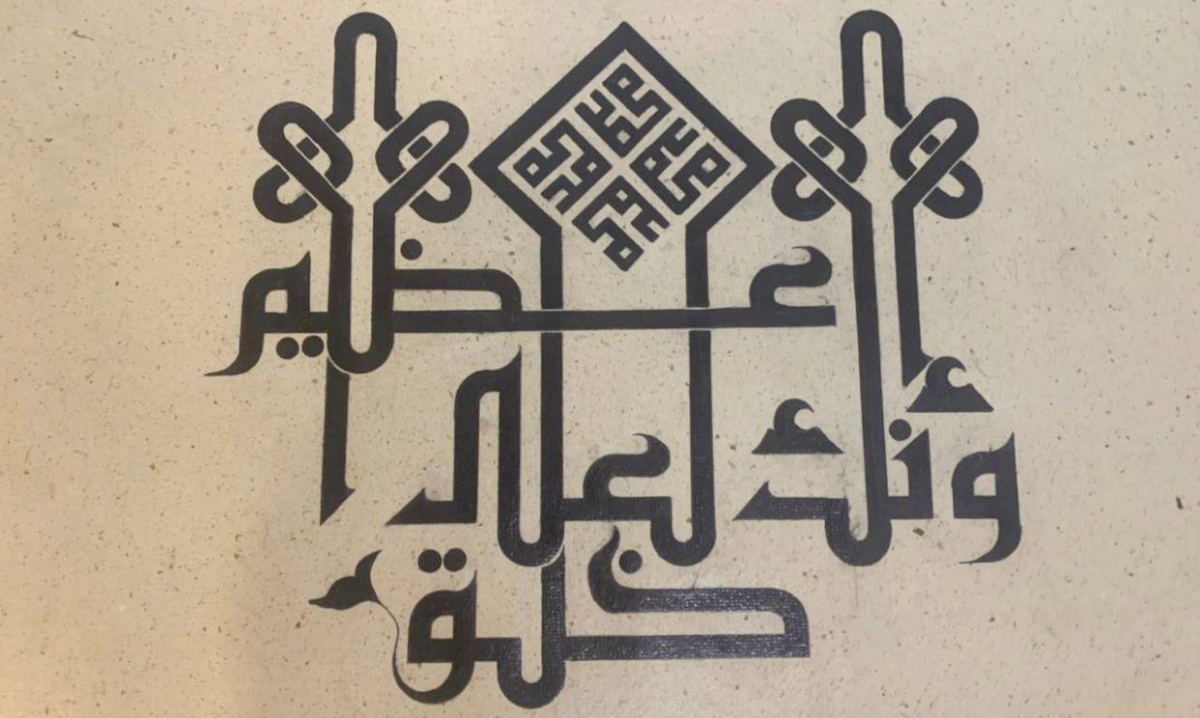
Reman Assere has become proficient in both in writing and teaching Kufic calligraphy and is expanding her expertise to include the Diwani style. (Supplied)
Even in an age of rapid technological advancements, Assere is confident that calligraphy’s unique beauty will endure. She believes the future is bright for students and trainees, as the art of calligraphy continues to inspire and cultivate creativity.
She explained how the beauty of Arabic calligraphy is in the balance and harmony of its letters, with fluid lines that interlace. For Assere, Arabic calligraphy not only captures the essence and grace of the Arabic language, but it also allows the writer to convey thoughts and emotions.
Arabic calligraphy is celebrated for its variety of styles, including Kufic, Naskh, Thuluth, Diwani, and Ruq’ah, each with a unique character and distinct lettering technique. Rooted in precise geometric principles, Arabic calligraphy achieves a harmonious visual balance, allowing for flexibility in letter formation, overlapping designs, and intricate decorative motifs.
Assere said: “The beauty of Arabic calligraphy extends beyond writing; it is a visual art that enhances both artworks and decorations. Over time, it has become a cultural symbol that embodies Arab and Islamic identity.”


