

Saudi calligrapher Nasser Al-Salem’s modern take on Islamic art

Al-Salem is one of 10 contemporary artists awarded the Al-Burda Endowment in 2018. (Supplied)
Updated 06 November 2019
Follow

Saudi calligrapher Nasser Al-Salem’s modern take on Islamic art

DUBAI: Jeddah-based Saudi artist Nasser Al-Salem has revealed his latest project, which will be showcased in the UAE’s Al-Burda Endowment exhibition — organized by the UAE Ministry of Culture and Knowledge Development — on Nov. 21.

Al-Salem is one of 10 contemporary artists awarded the Al-Burda Endowment in 2018. The endowment is awarded to “artists who explore Islamic art practices and continue to work towards developing contemporary Islamic Art,” according to a press release.
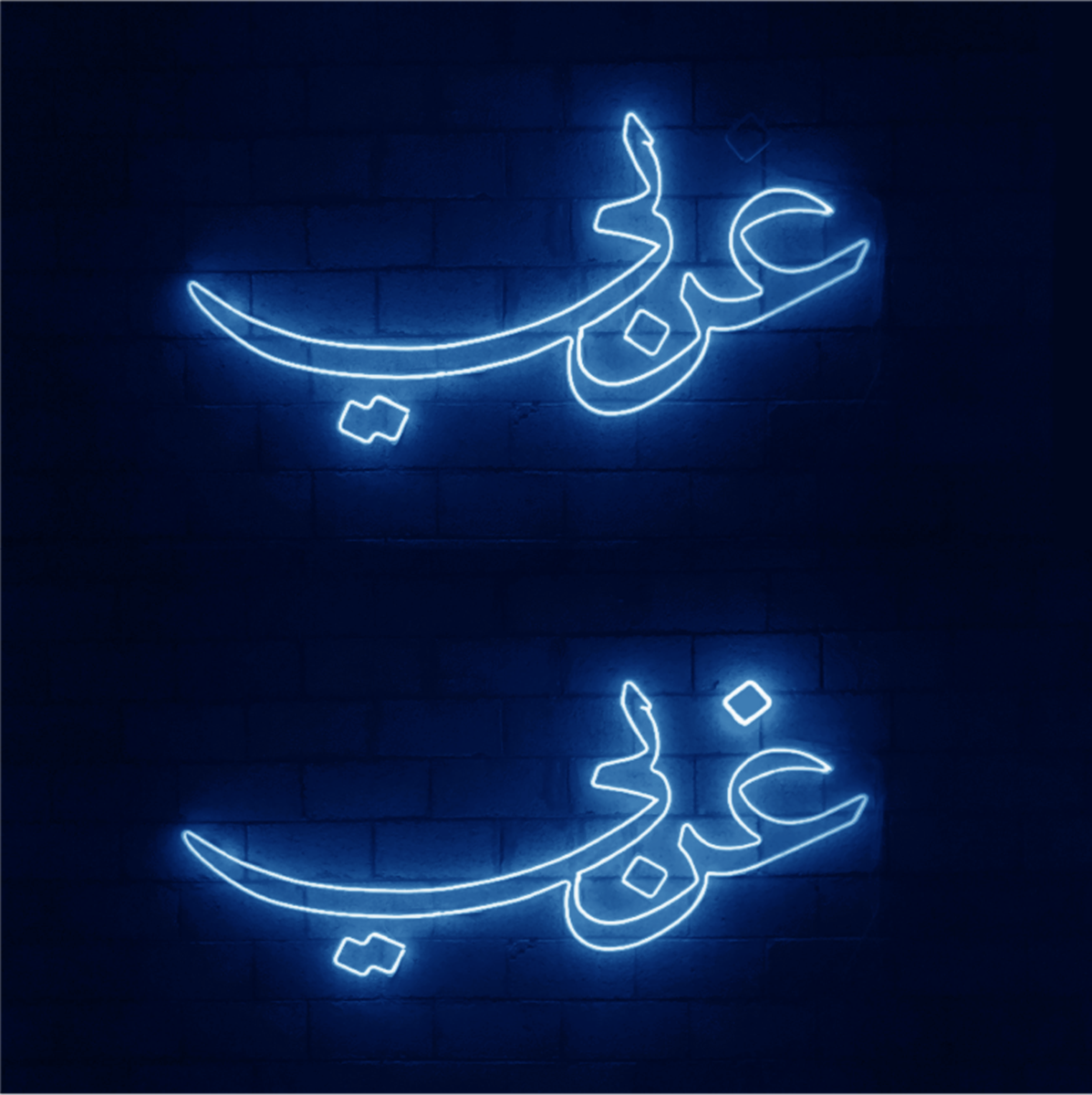


Al-Salem's latest project will be showcased in the UAE’s Al-Burda Endowment exhibition. (Supplied)

That is something Al-Salem has a history of doing, dating back to his time studying at Al-Haram Al-Sharif in Makkah. In 2010, Al-Salem came second in Saudi Arabia’s National Calligraphy competition. He is also a member of the National Guild of Calligraphers and an active member of Saudi Arabia’s Arts and Culture Group.

His work in general incorporates modern design elements (he has a background in architecture) with traditional calligraphy and Islamic geometry, often referencing verses from the Qur’an. He has been hailed as “pushing the boundaries of Islamic calligraphy” for his habit of using mixed-media platforms to present his work.
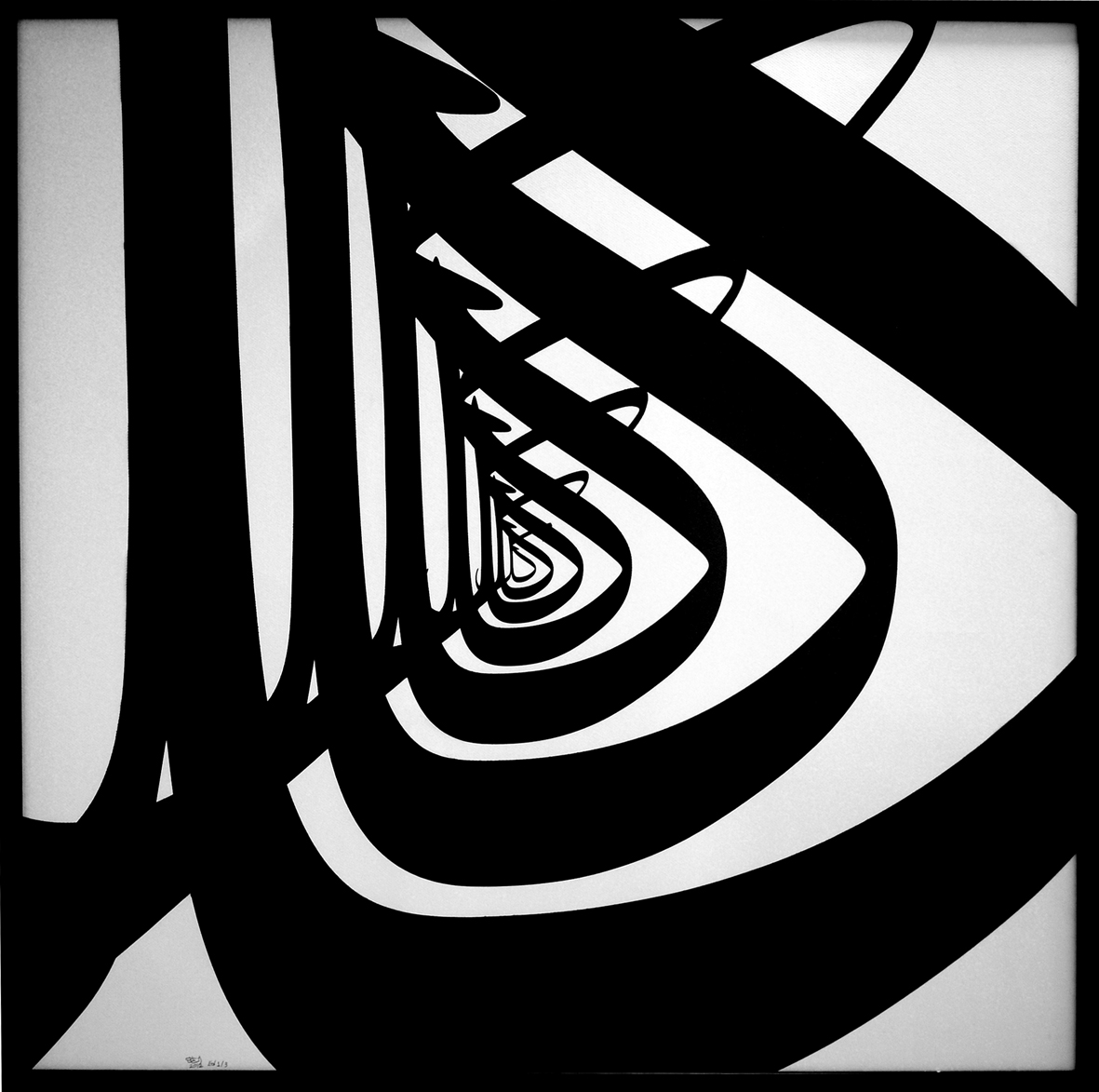


In 2010, Al-Salem came second in Saudi Arabia’s National Calligraphy competition. (Supplied)

For the Al-Burda exhibition, Al-Salem has created an installation of a room with green walls (a reference to the green screens used to insert special effects into movies) with Arabic text written on them — a quote from the hadith, “Ma la aynon raat,” which translates as “Like never seen before,” according to Al-Salem.

“The idea (behind the) green-screen room is that every (filmmaker) can create a scene, then edit the picture and add backgrounds that are sometimes surreal or difficult to achieve in real life,” Al-Salem told Arab News. “Every one of us has different expectations of heaven, and I tried to translate this idea in the project. When you are in the room, you will not only see one perspective of the project, you can also spin around to see other perspectives of the work… and this translates the idea of ‘Like Never Seen Before.’ There isn't one clear image you can see from one corner of the room, just like there isn't one perspective or one picture through which we can imagine heaven.”


Riyadh celebrates Sudanese heritage in cultural week finale

Updated 15 December 2025
Follow

Riyadh celebrates Sudanese heritage in cultural week finale

  • Visitors experience sounds of dalooka, rababa in lively spectacle
  • Global Harmony 2 initiative has offered an integrated cultural experience highlighting 14 cultures

RIYADH: The Sudanese Culture Week continues in Riyadh until Dec. 20, attracting visitors from a variety of nationalities to diverse cultural performances, the Saudi Press Agency reported.

The Ministry of Media has organized the events as part of the Global Harmony 2 initiative, in cooperation with the General Entertainment Authority and the Quality of Life Program.

Held at Al-Suwaidi Park, one of Riyadh Season’s zones, the week began with a celebratory parade featuring traditional Sudanese music which included the sounds of the dalooka and the rababa. A traditional Sudanese bridal procession was the subject of a tableau that also engaged visitors.

Sudanese Culture Week also includes musical concerts, entertainment sections, and cultural pavilions, with participation from Sudanese singers and influencers presenting activities that reflect the cultural diversity of the country’s regions and communities.

The event’s stage hosted the opening concerts, which were attended by thousands who enjoyed rababa performances and popular Sudanese songs.

Citizens and residents explored Sudanese culture through its folk arts, traditional music, and customs.

The celebration marks the final week of the Global Harmony 2 initiative’s cultural events. These have built on the program’s success in promoting cultural exchange and showcasing the cultures of communities residing in the Kingdom, reflecting the values of coexistence and cultural openness.

Over more than 40 days the Global Harmony 2 initiative has offered an integrated cultural experience highlighting 14 cultures.

Indian Culture Week was the first in a series featuring countries from Asia, Africa, and the Arab world.

Other weeks have placed the spotlight on regions such as the Philippines, Egypt, Pakistan, Jordan, Lebanon, Palestine, Bangladesh, Yemen, Uganda, and Ethiopia, providing traditional arts and music, cuisine, and social activities.

The initiative has included more than 100 artists and creators presenting artistic and musical performances, along with areas showcasing traditional cuisine, clothing, handicrafts, and family-friendly interactive activities.

It has received wide acclaim for highlighting the lives of residents in the Kingdom and the services provided to them.