- Militant outfit Jaish Al-Adl claimed Pakistani, Iranian forces killed 12 of its members in joint operation in Saravan on Tuesday
- Pakistani security forces conducted operation alone within its territory this week against smugglers, says FO spokesperson
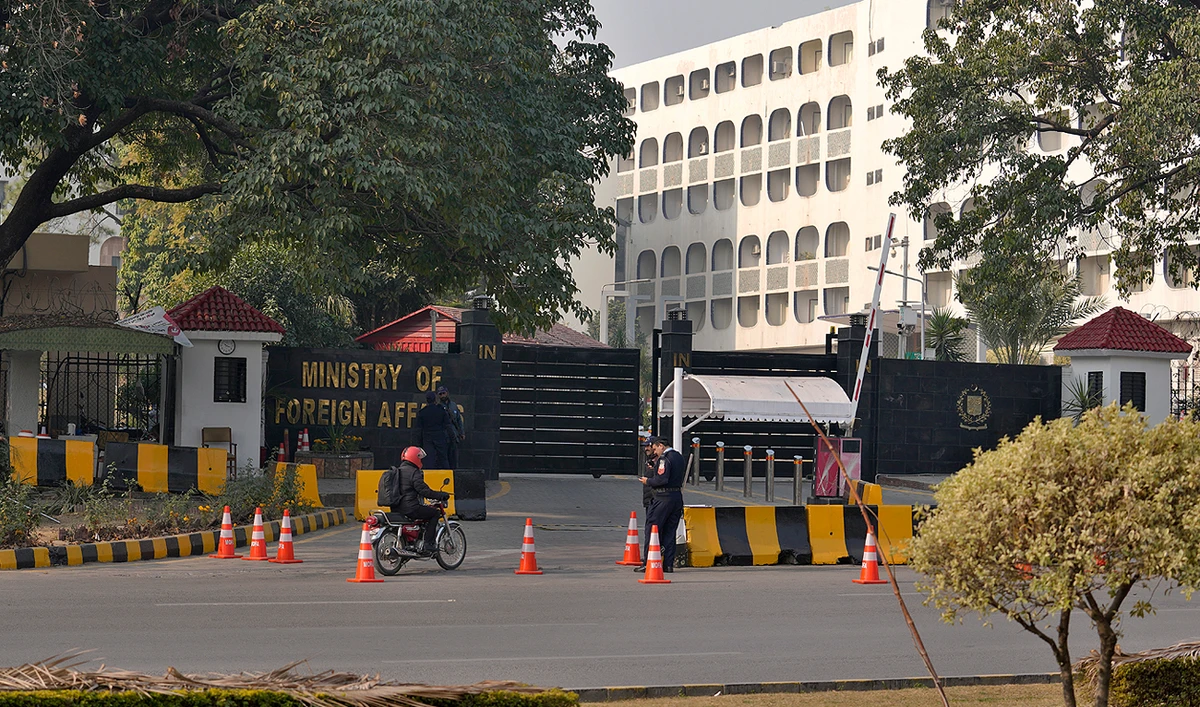
QUETTA: Pakistan’s foreign office spokesperson on Thursday rejected reports that Islamabad and Tehran launched a joint military operation in the country’s southwestern border area this week to kill 12 militants, describing it as “fake news” despite a banned militant group claiming the action took place.
The spokesperson’s remarks followed militant outfit Jaish Al-Adl’s statement this week in which it claimed Pakistan and Iran’s forces on Tuesday carried out airstrikes against its fighters in the Iranian border city of Saravan, near Pakistan’s Panjgur district in Balochistan. It said the strikes killed 12 of its members and injured four others.
Iranian rights organization Halvash had also confirmed the development on social media platform X.
“First, I would like to state that this information is not correct. This is fake news,” Mumtaz Zahra Baloch, Pakistan’s foreign office spokesperson, said during her weekly press briefing.
“Statement by terror groups should not be taken seriously.”
Baloch, however, confirmed Pakistani security forces had conducted an operation west of Panjgur to root out smugglers in southwestern Balochistan province.
“The operation took place 30 kilometers within our territory against smugglers, and this was undertaken by Pakistani security forces alone,” she disclosed.
Balochistan Levies, a paramilitary force responsible for law and order in the restive province, confirmed they received reports of an attack in Koh e Sabz area located 70 kilometers from Panjgur city on Tuesday.
“Three people were injured in the attack but we don’t know who carried out the attack in the remotest bordering area,” Shakeel Ahmed, a Levies soldier in Panjgur, told Arab News.
Ahmed said the paramilitary force did not know how many people were killed in the attack since Levies did not receive any bodies in Panjgur.
A local journalist in Panjgur said three persons injured in the alleged attack on Tuesday belonged to Peshawar, Karachi and Washuk cities of Pakistan. He said they were brought to Panjgur for medical treatment.
“The government officials in the district did not confirm the attack yet,” he told Arab News, speaking on condition of anonymity.
HISTORY OF ROCKY RELATIONS
Pakistan and Iran have had a history of rocky relations despite a number of commercial pacts between the two countries, with Islamabad being historically closer to Washington.
One of Iran’s poorest regions, Sistan-Baluchestan on the border with Pakistan has long been plagued by unrest involving drug-smuggling gangs, rebels from the Baloch minority and religiously motivated militants.
Jaish Al-Adl or “Army of Justice” has claimed responsibility for several attacks on Iranian forces in Sistan and Baluchestan over the years, straining ties between the two Muslim-majority countries.
Pakistan and Iran came to the brink of war in January this year after both countries launched cross-border strikes against armed groups and their hideouts operating in border villages.
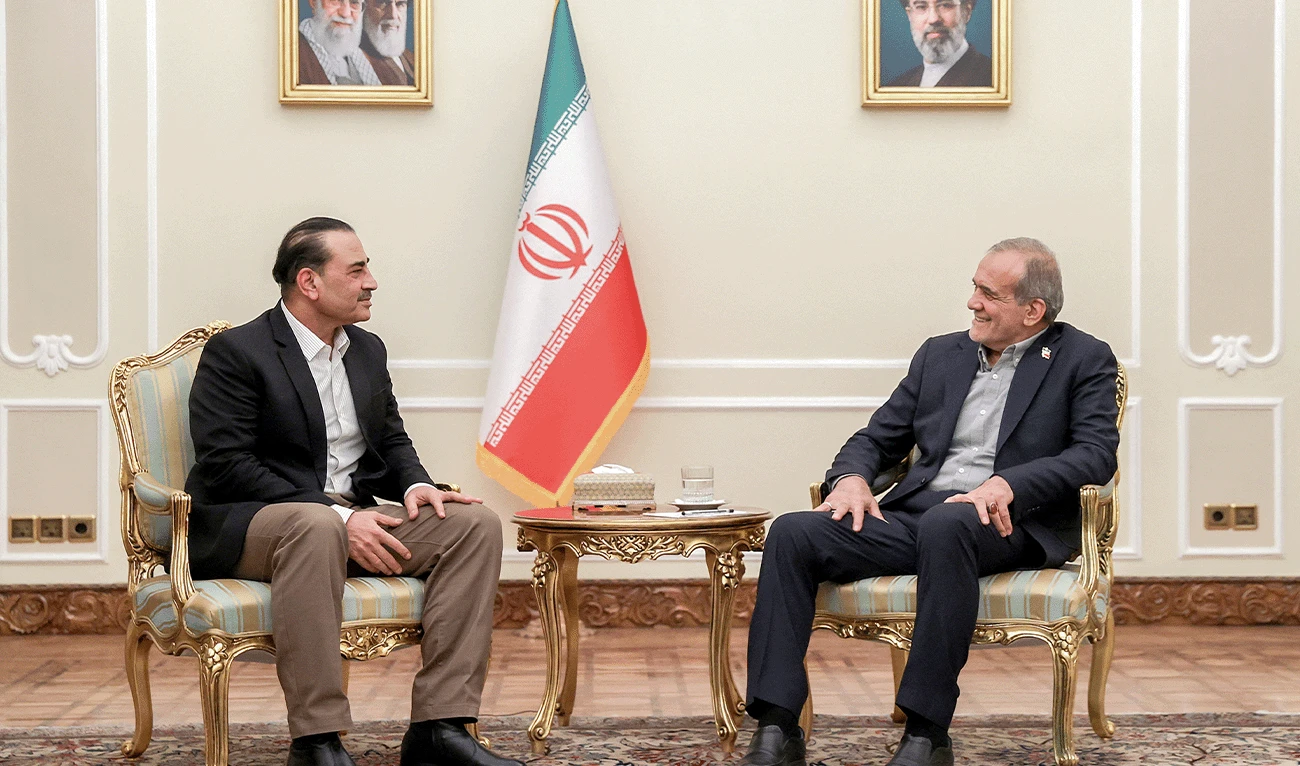
Regarding this week’s visit by Iran’s foreign minister to Islamabad, Baloch said both sides had agreed to strengthen coordination on border areas.
“Both sides agreed that we will cooperate to ensure that the border between Pakistan and Iran will be a border of peace and amity, and we will strengthen coordination on all aspects of border security,” she said.