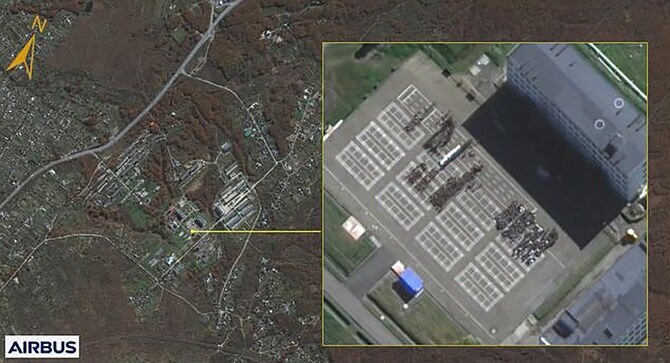
WASHINGTON: North Korean troops were engaged in combat in Russia’s Kursk in recent days for the first time, two US officials told Reuters on Wednesday.
One of the officials, speaking on the condition of anonymity, said they took part in combat on November 4. The officials did not say whether there were any North Korean casualties and did not provide further details on the engagement.
President Volodymyr Zelensky said on Tuesday that the first battles between the Ukrainian military and North Korean troops “open a new page in instability in the world” after his defense minister said a “small engagement” had taken place.
Ukrainian Defense Minister Rustem Umerov confirmed, in an interview with South Korean television, that the first engagement had occurred with North Korean troops, an apparent escalation in a conflict that began when Russia invaded Ukraine in 2022.
Earlier this week the Pentagon said that there were at least 10,000 North Korean troops in Kursk, adding that between 11,000 and 12,000 troops were in Russia all together.


![]()

North Korean troops engaged in combat in Kursk for first time, US officials say
Short Url
https://arab.news/6wuat
North Korean troops engaged in combat in Kursk for first time, US officials say
- One of the officials said they took part in combat on November 4
- Earlier this week the Pentagon said that there were at least 10,000 North Korean troops in Kursk


Latest updates


Recommended


© 2026 SAUDI RESEARCH & PUBLISHING COMPANY, All Rights Reserved And subject to Terms of Use Agreement.