




JEDDAH: Saudi Arabia’s Al-Baha region is set to develop a medical facility worth over SR7 billion ($2 billion), reinforcing the Kingdom’s commitment to advancing health care infrastructure.
On Oct. 21, Virtus Health Partners, a privately held investor, signed a memorandum of understanding with the Saudi ministries of investment and health to develop Jebel Al-Noor Medical City, a planned world-class facility in the country’s southwestern region.
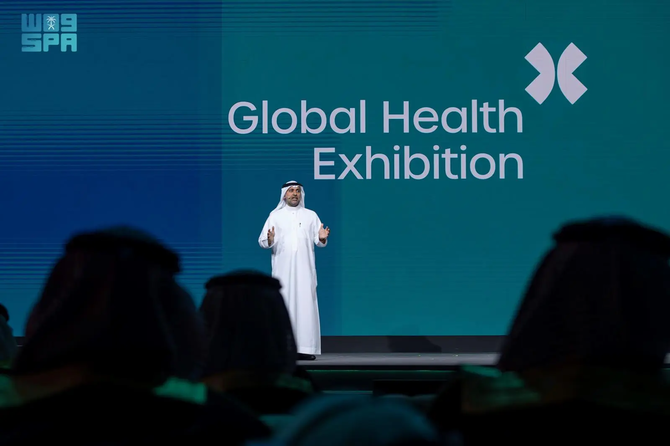
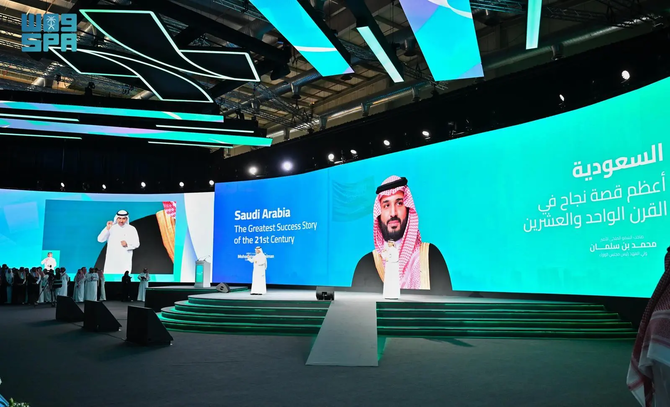
The signing ceremony took place in Riyadh on the sidelines of the seventh Global Health Exhibition, hosted in the Saudi capital from Oct. 21 to 23.
The official MoU signing was attended by the Gov. of Al-Baha region, Prince Hussam bin Saud bin Abdul Aziz, the Saudi Minister of Investment, Khalid Al-Falih, the Assistant Deputy Minister for Investment at the Health Ministry, Ibrahim Al-Omar, and the Saudi Minister of Health, Fahad Al-Jalajel, along with others.
The project will be an integrated facility featuring state-of-the-art medical services, treatments, and education, all within a unified ecosystem, VHP said in a statement.
As part of Saudi Vision 2030, the Kingdom has set ambitious goals for transforming its medical division through the Health Sector Transformation Program. This initiative seeks to create a comprehensive, effective, integrated healthcare system focused on individual and community well-being.
By restructuring and enhancing the sector, the program aims to sustain ongoing reforms, strengthen its position, and activate its various components, ultimately ensuring long-term progress and improvement in the country’s healthcare infrastructure.
VHP stated that the undertaking would be developed in phases over 10 years, with the first stage encompassing a medical school teaching hospital.
“This facility will offer advanced medical treatments and serve as a practical training ground for medical students, bridging the gap between education and real-world patient care,” VHP said in a press release.
The school will offer state-of-the-art facilities and a curriculum aligned with global standards, providing students with cutting-edge education and research opportunities.
It will also encompass a faculty of health sciences focusing on advancing medical education and research across various fields.
VHP has signed an agreement with the US-based Mayo Clinic to act as strategic adviser and principal project consultant.
Chairman of VHP Nayef Falah Al-Hajjraf, who has previously served as secretary general of the Gulf Cooperation Council, stated that the facility is expected to become one of the most significant medical cities in the Middle East and worldwide. This distinction stems from its integrated facilities and programs and the strategic partnerships that will help transform the agreement into reality.
“JANMC will provide added value to the healthcare sector, aligning with the promising projects of the Kingdom’s Health Sector Strategy and Vision 2030 in Saudi Arabia,” Al-Hajjraf said.
He added: “We look forward to the opportunities this project presents for establishing a world-class academic medical city that delivers innovative health care and academic offerings to the region.
VHP is a group of investors, industry experts, and academics advising leading health care institutions and developing landmark medical investment projects.


