

Al-Manashbia: A traditional falcon-hunting method

1 / 4
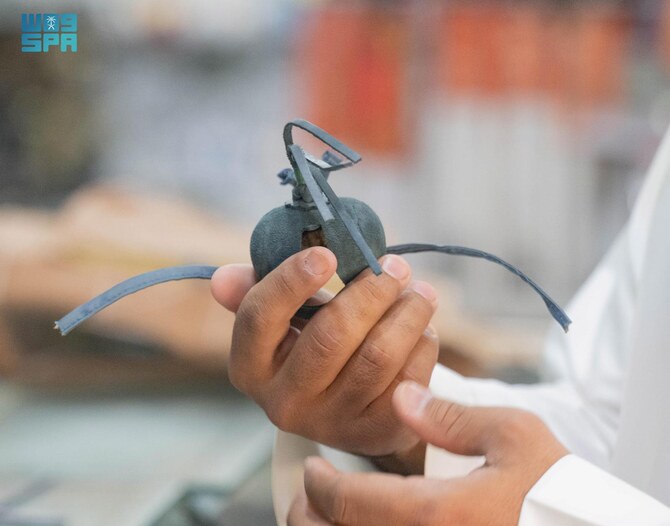
Other techniques exist as well, including Khadj Al-Tayr, where falcons are followed and captured with a large net after sunset. (SPA)
2 / 4
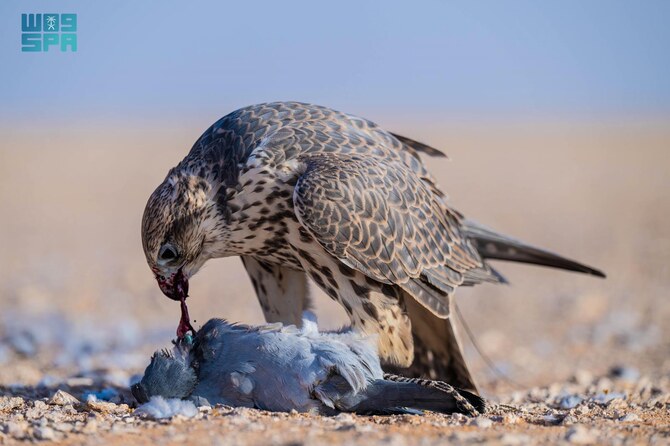
After a falcon eats its prey, it seeks shade, where it then falls into the trap. (SPA)
3 / 4
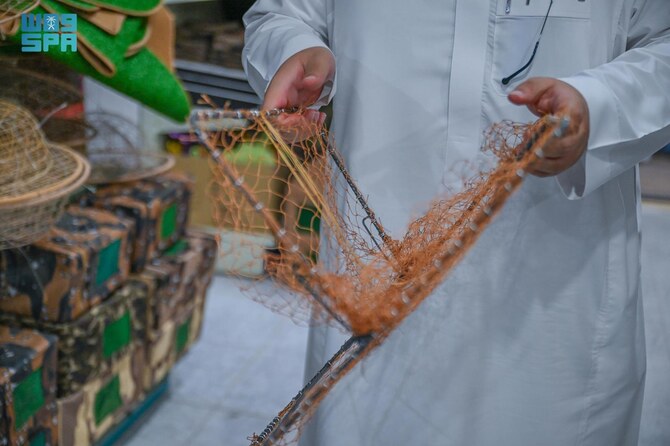
Other techniques exist as well, including Khadj Al-Tayr, where falcons are followed and captured with a large net after sunset. (SPA)
4 / 4
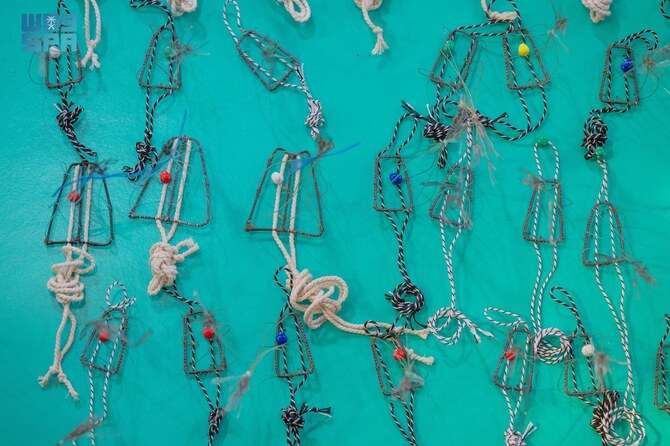
Other techniques exist as well, including Khadj Al-Tayr, where falcons are followed and captured with a large net after sunset. (SPA)
Short Url
Updated 13 October 2024
Follow

Al-Manashbia: A traditional falcon-hunting method

  • The method involves an iron wire net set up in the shade of large trees

RIYADH: Falconers rely on a variety of traditional hunting techniques, with Al-Manashbia being among the most notable, requiring extensive experience and precision.

The method involves an iron wire net set up in the shade of large trees. After a falcon eats its prey, it seeks shade, where it then falls into the trap.

Khamis Al-Saqri, a falconry enthusiast, said that constructing Al-Manashbia takes one to two days, depending on the hunter’s experience. It is considered a difficult and complex method due to the need for a professional and innovative arrangement of the net holes.

While Al-Manashbia is well-known, other techniques exist as well, including Khadj Al-Tayr, where falcons are followed and captured with a large net after sunset.

Falconry involves training rituals, such as Haddad Al-Tayr, where falcons are released for long distances to train them to hunt prey. Another technique involves the use of a melwah, a decoy bird or bait, to attract and accustom a falcon to hunting.

Al-Hamad Desert in the Northern Borders region is a popular destination for falconers from Saudi Arabia and the Gulf Cooperation Council.

It is along a migratory route for falcons, including the peregrine falcon. Many valuable falcons are released or sold at auctions held in the region.

Khalaf Al-Anzi, a skilled craftsman with a visual impairment, has captivated visitors at the International Saudi Falcons and Hunting Exhibition with his handmade falcon trapping nets.

Al-Anzi, who has been crafting these nets for over 30 years, demonstrated his expertise at the exhibition, held in Malham, north of Riyadh, from Oct. 3 to 12.
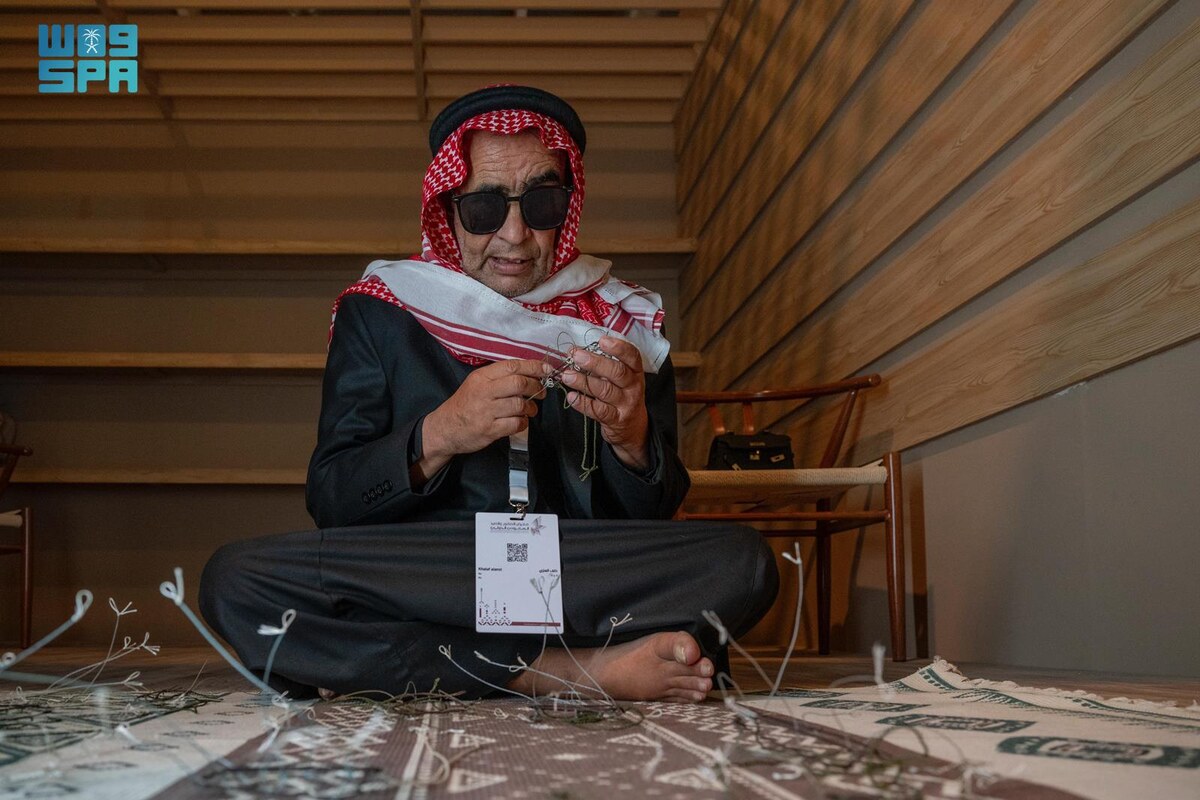


Khalaf Al-Anzi has become a regular participant in falconry-related events throughout the Kingdom. (SPA)

He inherited this craft from his forefathers and hopes to pass it on to the next generation in Turaif, the Northern Borders region.

With the assistance of his sons, he has become a regular participant in falconry-related events throughout the Kingdom, especially during the falcon migration season in the fall.

The process of creating falcon trapping nets involves meticulous work. Al-Anzi told the Saudi Press Agency in an interview that he uses silk threads and thin nylon wires to handcraft these lightweight nets, which weigh only a few grams.

The nets are attached to pigeons or jerboas (hopping desert rodents) as bait to attract falcons. It takes Al-Anzi over half an hour to create a single net.

Al-Anzi said his handmade nets are highly sought after by Saudi falconers, who often visit him at home to buy them.

He ships his nets to falconers and enthusiasts in the Gulf countries, relying on his craft as a primary source of income.

Decoder

Al-Manashi technique

Al-Manashbi is a traditional falcon hunting technique used in the Arabian Peninsula. The method involves an iron wire net set up in the shade of large trees. After a falcon eats its prey, it seeks shade, where it then falls into the trap. Before falconry evolved into a sport, inhabitants of the Arabian desert were known to have trapped falcons since ancient times for use in hunting other animals for food.


Saudi foreign ministry welcomes second phase of Gaza peace plan, formation of transitional committee

Updated 57 min 9 sec ago
Follow

Saudi foreign ministry welcomes second phase of Gaza peace plan, formation of transitional committee

  • Ministry also thanked US President Donald Trump for his leadership and efforts to end the war in Gaza

RIYADH: The Saudi Ministry of Foreign Affairs on Friday welcomed the announcement of the second phase of a comprehensive peace plan for Gaza, the Saudi Press Agency reported.

The ministry said it also welcomed the formation of the Palestinian National Committee for the Administration of the Gaza Strip as a temporary transitional body, established under UN Security Council Resolution 2803, which met in Cairo on Friday.

In a statement, the ministry also thanked US President Donald Trump, who declared the formation of the Gaza “board of peace,” for his leadership and efforts to end the war in Gaza.

It highlighted his commitment to the withdrawal of Israeli forces, the prevention of any annexation of parts of the West Bank, and efforts to advance sustainable peace in the region.

The ministry commended the role of mediators Qatar, Egypt and Turkiye, stressing the importance of international and regional cooperation in supporting the peace process.

It underlined the need to support the work of the temporary Palestinian National Committee in managing the daily affairs of Gaza’s residents, while preserving the institutional and geographical link between the West Bank and the Gaza Strip, ensuring Gaza’s unity and rejecting any attempts to divide it.

The statement also called for consolidating the ceasefire, halting violations, ensuring the unhindered delivery of humanitarian aid, and accelerating early recovery and reconstruction efforts across Gaza.

It said these steps were essential to enabling the Palestinian National Authority to resume its responsibilities in the Gaza Strip, leading to an end to the Israeli occupation of Palestinian territory in Gaza and the West Bank and the establishment of an independent Palestinian state in line with UN resolutions, the Arab Peace Initiative and the two-state solution.