

Egypt annual inflation rate slows to 26%

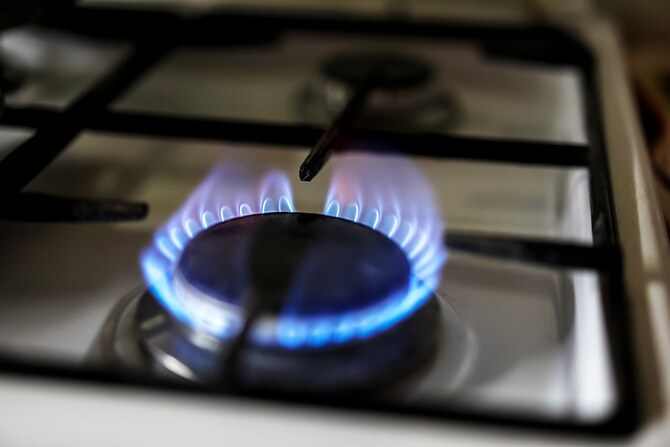
Electricity, gas, and other fuels saw an increase of 14.9 percent. Shutterstock
Short Url
Updated 09 October 2024
Follow

Egypt annual inflation rate slows to 26%

  • Egypt’s general consumer price index reached 236.5 points
  • Some areas saw a decline, with hotel service prices falling by 0.1%

RIYADH: Energy price rises led Egypt’s September inflation rate to reach 26 percent, although it is a significant reduction from the 40.3 percent recorded in the same month of 2023. 

According to the nation’s Central Agency for Public Mobilization and Statistics, Egypt’s general consumer price index reached 236.5 points, a 2.3 percent increase from August. 

Electricity, gas, and other fuels saw a substantial increase of 14.9 percent, adding further pressure on household expenses. 

Other contributors to the inflationary pressure included a 0.7 percent rise in cereals and bread and similar surges in meat and poultry. 

The prices of fish and seafood increased by 1.7 percent, while dairy products, cheese, and eggs saw a 2.8 percent rise. 

The vegetable category recorded a significant jump of 12.4 percent, and the cost of fruits rose by 1.7 percent. 

Sugar and sugary foods edged up by 0.2 percent, and coffee, tea, and cocoa prices grew 0.9 percent. 

Other categories also saw increases, including fabrics, up 1.1 percent, ready-made garments by 0.8 percent, and footwear by 0.3 percent. 

The prices for actual housing rent increased by 0.9 percent, while furniture and furnishings rose by 0.8 percent. 

Home maintenance goods and services grew by 1.4 percent, and household appliances by 1.5 percent. 

Medical products and equipment registered a 3 percent increase, while hospital services rose 1.3 percent. 

Transportation costs, including private carrier expenses, increased by 1 percent, with vehicle purchases up by 2.3 percent. 

Despite these rises, some areas saw a decline, with hotel service prices falling by 0.1 percent. 

However, this decrease was not enough to counterbalance the broader upward trend in other sectors. 

Egypt has tightened its monetary policy as part of an $8 billion financial support package from the International Monetary Fund signed in March. 

The program requires the country to implement various economic adjustments, including raising domestic prices and allowing the currency to depreciate. 

In line with these measures, the Central Bank of Egypt raised interest rates by 600 basis points on March 6, bringing total rate hikes for 2024 to 800 basis points. 

To address a budget deficit that reached 505 billion Egyptian pounds ($10.27 billion) in a 3.016 trillion pound budget for the fiscal year ending June 30, the government also increased the prices of certain subsidized goods. 

On June 1, the price of subsidized bread was increased by 300 percent, while on July 25, fuel prices rose by up to 15 percent.

The country’s food subsidy spending grew to 133 billion Egyptian pounds in the 2023/24 financial year, reflecting a 10 percent increase compared to the previous year. 


Saudi minister at Davos urges collaboration on minerals

Global collaboration on minerals essential to ease geopolitical tensions and secure supply, WEF hears. (Supplied)
Updated 51 min 44 sec ago
Follow

Saudi minister at Davos urges collaboration on minerals

  • The reason of the tension of geopolitics is actually the criticality of the minerals

LONDON: Countries need to collaborate on mining and resources to help avoid geopolitical tensions, Saudi Arabia’s minister of industry and mineral resources told the World Economic Forum on Tuesday.

“The reason of the tension of geopolitics is actually the criticality of the minerals, the concentration in different areas of the world,” Bandar Alkhorayef told a panel discussion on the geopolitics of materials.

“The rational thing to do is to collaborate, and that’s what we are doing,” he added. “We are creating a platform of collaboration in Saudi Arabia.”

Bandar Alkhorayef, Saudi Minister of Industry and Mineral Resources 

The Kingdom last week hosted the Future Minerals Forum in Riyadh. Alkhorayef said the platform was launched by the government in 2022 as a contribution to the global community. “It’s very important to have a global movement, and that’s why we launched the Future Minerals Forum,” he said. “It is the most important platform of global mining leaders.”

The Kingdom has made mining one of the key pillars of its economy, rapidly expanding the sector under the Vision 2030 reform program with an eye on diversification. Saudi Arabia has an estimated $2.5 trillion in mineral wealth and the ramping up of extraction comes at a time of intense global competition for resources to drive technological development in areas like AI and renewables.

“We realized that unlocking the value that we have in our natural resources, of the different minerals that we have, will definitely help our economy to grow to diversify,” Alkhorayef said. The Kingdom has worked to reduce the timelines required to set up mines while also protecting local communities, he added. Obtaining mining permits in Saudi Arabia has been reduced to just 30 to 90 days compared to the many years required in other countries, Alkhorayef said.

“We learned very, very early that permitting is a bottleneck in the system,” he added. “We all know, and we have to be very, very frank about this, that mining doesn’t have a good reputation globally.

“We are trying to change this and cutting down the licensing process doesn’t only solve it. You need also to show the communities the impact of the mining on their lives.”

Saudi Arabia’s new mining investment laws have placed great emphasis on the development of society and local communities, along with protecting the environment and incorporating new technologies, Alkhorayef said. “We want to build the future mines; we don’t want to build old mines.”