- Workforce export has long been a significant contributor to Pakistan’s economy, with its reliance on remittances
- The visiting British delegation says it wants to promote education cooperation with Pakistan to empower youth
ISLAMABAD: The United Kingdom plans to set up 280 skill centers in Pakistan focusing on technical and vocational training, reported state-owned media on Saturday, adding the project will be carried out in collaboration with Middle Eastern institutions to train individuals aspiring for jobs in places like the Gulf region.
Workforce export has long been a significant contributor to Pakistan’s economy, with the country heavily reliant on remittances sent by workers employed abroad, particularly in the Middle East. However, in recent years, Pakistani workers have faced challenges due to more exacting requirements of international job markets, making the training and upskilling of nationals a government priority.
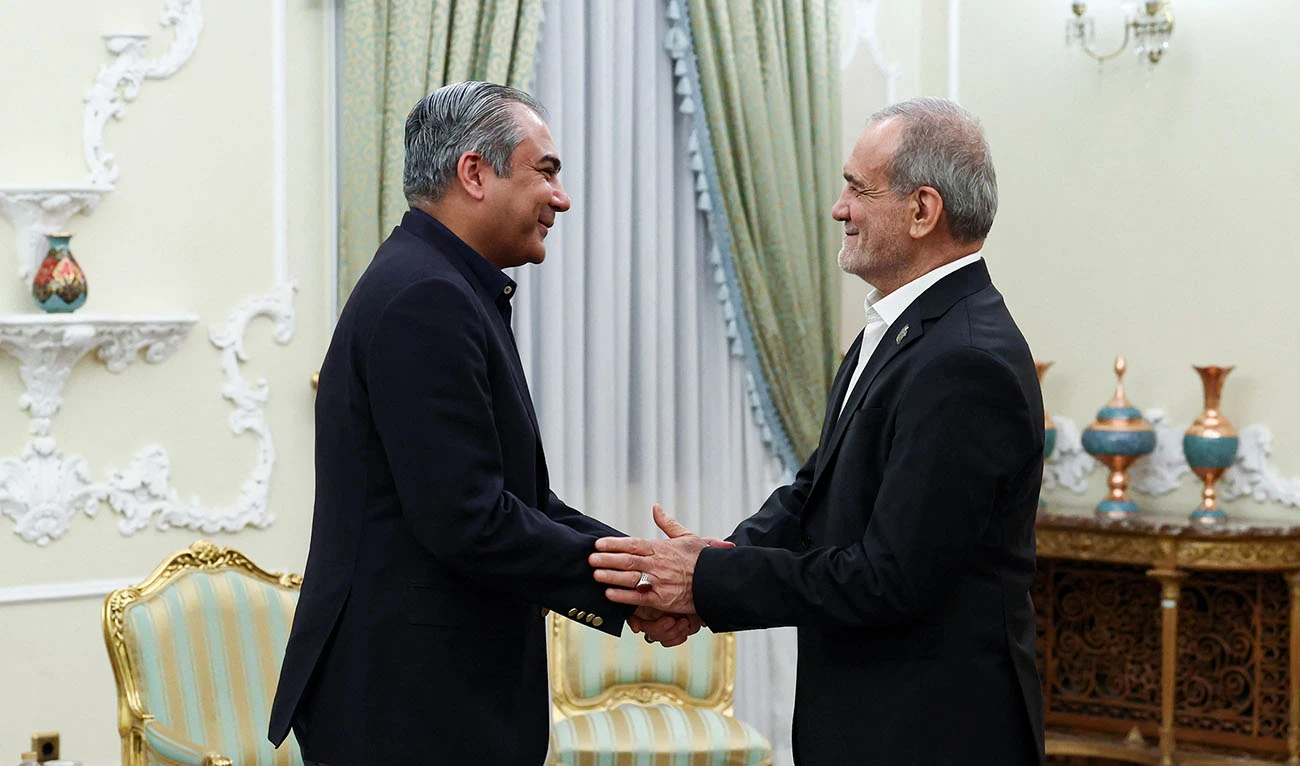
The establishment of the skill centers became a focal point of discussions as a British delegation arrived in the country on a two-day visit and met with Pakistani officials working in the field of conventional and technical education.
“The delegation representatives said that around 280 skills centers will be established in Pakistan,” said the Associated Press of Pakistan (APP) news agency. “The candidates who successfully complete the training in these centers, they will be given a joint certificate by Pakistani, UK and Gulf universities.”
The report added that 80,000 jobs will be given to the successful candidates graduating from these skill centers in the first phase.
“These jobs would be offered in different Gulf countries, including [places like] Dubai, in the security, hospitality, construction, veterinary, nursing and police,” it said.
Pakistan’s Federal Secretary Education Mohiyuddin Wani and Chairperson of the National Vocational and Technical Training Commission Gulmina Bilal highlighted the government’s priority to provide quality training to its nationals to give their best on any job around the world.
The delegation, which includes members of Britain’s House of Lords, said they were committed to promoting educational cooperation with Pakistan to empower its youth.
It will also visit Karachi to hold a meeting with Federal Minister for Education Khalid Maqbool Siddiqui.