


RIYADH: As Saudi Arabia prepares to host the FIFA World Cup 2034 potentially, the Kingdom is undertaking an extensive, multifaceted effort to accommodate the anticipated influx of millions of tourists.
Central to this initiative is the expansion and enhancement of its hospitality sector and infrastructure. This endeavor is closely aligned with the broader Vision 2030 strategy, which aims to diversify the economy and bolster the Kingdom’s global profile.
Expanding capacity
One of the most significant steps Saudi Arabia is taking to prepare for the influx of tourists is the rapid expansion of its hospitality infrastructure. The Kingdom has launched an ambitious plan to increase the number of hotel rooms nationwide.
This includes adding thousands of new rooms in major cities like Riyadh, Jeddah, and Dammam, as well as developing luxury resorts in emerging tourist hotspots such as AlUla and the Red Sea Project. Reports suggest that by 2030, Saudi Arabia aims to offer over 500,000 hotel rooms, a substantial rise from its current capacity. Major international hotel brands like Hilton, Marriott, and Accor are expanding their presence in the Kingdom.
Emphasizing the importance of this expansion, Ramine Behnam, vice president of development at Minor Hotels EMEA, told Arab News: “Already there are a significant number of hotels and resorts announced by many well-known international brands; this needs to include a variety of offerings from uber-luxury through upscale and mid-market.”
This diverse range of accommodations will be crucial for meeting the varied needs of World Cup visitors. Alongside increasing the number of rooms, Saudi Arabia is investing heavily in training and developing a skilled workforce to ensure top-notch service standards.

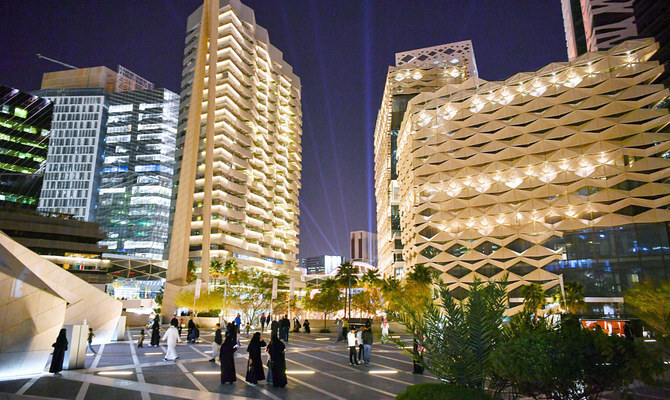
Saudi Arabia is taking significant steps to expand its hospitality infrastructure.(Supplied)
Taking to Arab News, David Vely, vice president of development & asset Middle East and Africa at Club Med, said:“Providing opportunities for career advancement, personalized training programs, and fostering a supportive work environment is essential for cultivating a skilled and motivated workforce.”
Infrastructure upgrades
To accommodate the surge in tourism, Saudi Arabia is making substantial investments in its transportation infrastructure. The Kingdom is expanding airports, enhancing public transit, and improving road networks to facilitate easy navigation. A major project is the expansion of King Abdulaziz International Airport in Jeddah, set to handle up to 80 million passengers annually upon completion. Likewise, King Khalid International Airport in Riyadh is undergoing significant upgrades to boost capacity and enhance the passenger experience. These improvements are essential for managing the anticipated influx of international visitors during the World Cup.
Commenting on these developments, Behnam said: “Infrastructure must be well developed allowing easy access for the local market and overseas tourists flying into the destinations.”
Developing attractions
Beyond infrastructure, Saudi Arabia is focused on creating captivating tourist attractions for the World Cup and beyond. Key projects include the Red Sea Project, NEOM, and Diriyah Gate, offering a blend of luxury, heritage, and adventure.
The Red Sea Project aims to be a major luxury tourism destination with plans for 50 resorts across 22 islands, adding 8,000 hotel rooms to the Kingdom’s inventory, featuring ultra-luxury and eco-friendly accommodations.

Saudi Arabia is taking significant steps to expand its hospitality infrastructure. (Supplied)
Stefano Lopez, tourism project director at Baheej Group, told Arab News: “These new lifestyle and leisure offerings are accessible to a broader audience. Let’s not forget that destinations are not only built, they are also discovered. There are a lot of hidden gems in Saudi Arabia yet to be discovered, and we are here to enable them to become the destinations of tomorrow.”
Similarly, the historic Diriyah Gate project aims to transform the birthplace of the Saudi state into a cultural and heritage destination, offering visitors a unique glimpse into the Kingdom’s rich history. These attractions are not only designed to draw in tourists but also leave a lasting impression, encouraging repeat visits and longer stays.
Technology and innovation
Saudi Arabia is also leveraging technology and innovation to enhance the visitor experience. The Kingdom is integrating smart city technologies into new developments like NEOM, which is slated to host World Cup matches. This will offer visitors seamless digital services, covering everything from transportation to accommodations.
Shahbaz Tufail, executive vice president at DAR Engineering, highlighted the need to align with global standards in hospitality and travel. He noted: “To appeal to a broader audience, providers must align with international trends such as ecotourism, wellness, smart hotels, sustainability, and AI.”
The Saudi eVisa system has been streamlined to facilitate easier entry for international tourists. Already issued to millions, the eVisa will be crucial in managing the high visitor volume expected for the World Cup. Additionally, digital platforms are being developed to offer real-time information on accommodations, events, and attractions, helping tourists plan their visits more effectively and fully experience what Saudi Arabia has to offer.
Sustainability at the core
Sustainability is a key focus in Saudi Arabia’s preparations for the World Cup. The Kingdom is committed to ensuring that its tourism development is environmentally responsible. Projects such as the Red Sea Project and NEOM are being developed with strict sustainability guidelines, including the use of renewable energy, conservation of marine ecosystems, and minimizing carbon footprints.
Behnam emphasized this commitment, stating, “Ensuring sustainable initiatives are in place will be crucial, along with offering exceptional guest services, iconic design, and cultural integration.” By prioritizing sustainable practices, Saudi Arabia aims not only to protect its natural resources but also to attract eco-conscious travelers.
As Saudi Arabia prepares to host the FIFA World Cup 2034, the Kingdom is demonstrating its readiness through extensive preparations that extend beyond the football pitch. From expanding hospitality capacity to upgrading infrastructure and developing world-class tourist attractions, Saudi Arabia is laying the groundwork to welcome millions of visitors.
These efforts, as highlighted by industry experts in conversations with Arab News, underscore the Kingdom’s ambition to become a global tourism powerhouse, aligning with its Vision 2030 objectives. By the time the first match kicks off in 2034, Saudi Arabia seeks not only to host a world-class sporting event but also to establish itself as a premier destination for international tourists.


